
Pay-per-click (PPC) advertising is a pretty powerful way to draw attention to your business online. It puts your brand in front of people who are actively searching, which means you can see results much faster than most other marketing tactics. Even though running PPC campaigns seems straightforward at first, it’s easy to trip up and waste budget if you’re not careful. I put together this guide to help you spot common mistakes in PPC management; whether you’re just starting out or looking to sharpen your skills, these tips will help you avoid slip-ups for stronger results.
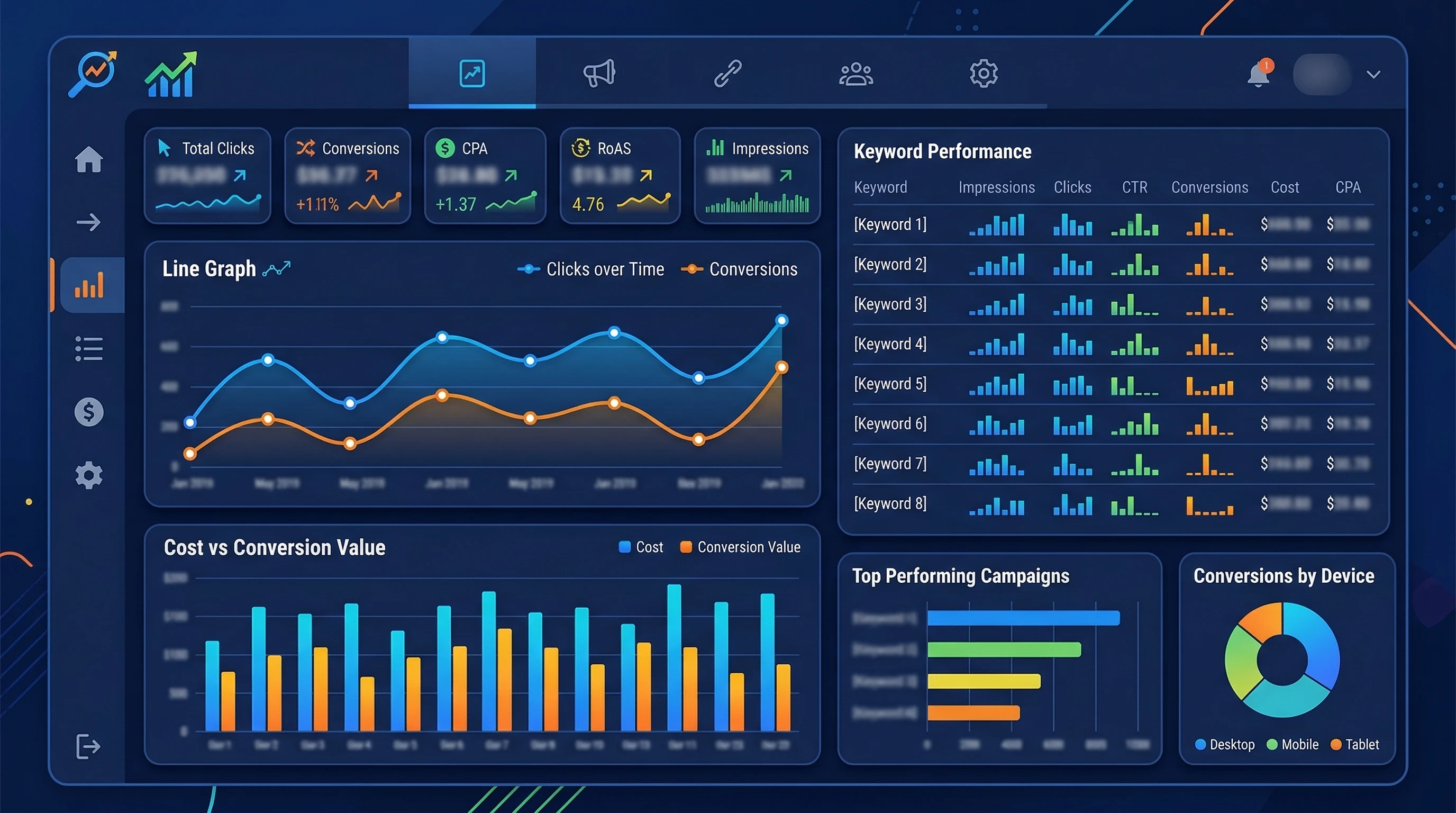
Why Understanding PPC Mistakes Matters
PPC advertising isn’t just about setting up ads and hoping for the best. With platforms like Google Ads and Microsoft Advertising, there are a ton of settings, bidding strategies, and targeting options to consider. A tiny misstep can quickly burn through your budget, send you low-quality traffic, or even hurt brand credibility. I’ve seen even some pretty experienced marketers get tripped up by the same pitfalls, which makes knowing what to watch out for really important if you want your campaigns to grow and perform well.
Recent statistics show that digital ad spending hit over $600 billion worldwide in 2023, with a big chunk going to PPC campaigns. That signals two things: there’s an opportunity to reach motivated buyers, but the space is getting crowded and mistakes are more expensive than ever. Careful campaign management isn’t just nice to have; it directly affects your bottom line and ROI.
Top PPC Management Mistakes To Watch Out For
Even with training and checklists in hand, anyone can overlook key details in PPC campaigns. Here are some of the most common missteps people make, with practical advice on how you can sidestep them:
- Neglecting Keyword Research: Relying only on broad or obvious keywords can attract the wrong kinds of clicks and cost you more. Take time to research variations and longtail keywords that match what your target customers actually search for. Tools like Google Keyword Planner or SEMrush are super useful here.
- Overusing Broad Match: While broad match keywords can help get your ads in front of more eyes, they can also bring in irrelevant traffic. Reviewing search term reports often and switching to phrase or exact match for better targeting usually boosts your results.
- Ignoring Negative Keywords: Without a regular negative keyword update, you’ll end up paying for clicks you don’t want. Adding negatives blocks searches that don’t suit your offer, saving budget for the right leads.
- Setting & Forgetting Campaigns: PPC isn’t hands-off. Regular check-ins and tweaks help you respond to switches in search trends, click costs, and conversion behaviors so you don’t lose ground.
- Writing Vague or Generic Ad Copy: Your ad is competing against many others. Clear, specific messaging draws more qualified clicks. Emphasize what makes your offer appealing and include a strong call-to-action.
Key Areas to Focus On for Better PPC Results
There are a few main areas I recommend keeping an extra close eye on to avoid waste and get better value from your budget:
- Targeting Settings: Geotargeting, device selection, schedule, and audience targeting can make or break a campaign. Double check these regularly so ads only show to your ideal users at the right times and places.
- Bid Management: Letting bids run wild can quickly drain your funds. Consider starting with manual bidding to get the lay of the land or use automated strategies like “Maximize Conversions” only when you have enough conversion data.
- Landing Page Quality: Sending users to slowloading or inconsistent pages lowers conversion rates fast. Match ad messaging to the landing page, keep forms simple, and improve load speed to hold visitor attention.
- Tracking and Analytics: If you’re not tracking conversions with Google Analytics or the ad platform’s conversion tracking code, you’ll never really know what’s working. A single missing snippet means lost insights and wasted spend.
Common Mistakes and How to Avoid Them
It’s easy to get overwhelmed trying to fix everything at once. Focusing on just a few important mistakes first can make a big difference right away:
1. Poor Account Structure
I see plenty of accounts with all keywords and ads jammed into one campaign or ad group. This makes reporting messy and targeting ineffective. Separating campaigns by products, services, or main goals keeps things easier to manage and measure. Also, building tightly themed ad groups with related keywords improves ad relevance and lowers your cost per click.
2. Disregarding Quality Score
Google’s Quality Score measures keyword relevance, ad copy, and landing page experience on a scale of 1-10. Low scores mean higher costs for the same ad positions. Improving your copy, matching keywords closely to ad text, and polishing your landing pages help boost scores and reduce wasted spend.
3. Not Using Ad Extensions
Ad extensions add extra info like sitelinks, call buttons, or location details. Ads with these extensions usually get higher click-through rates, which means more chances to convert. Not adding them is basically missing out on extra space and visibility at no extra cost.
4. Overlooking Mobile Optimization
More than half of paid clicks happen on mobile devices. If your ads or landing pages look awkward on smartphones, or if they load slowly, people will bounce before converting. Always check both your ads and site on several devices and fix issues early.
5. Chasing Only Clicks, Not Conversions
Getting lots of clicks might look good on paper, but what matters is whether those clicks turn into sales or leads. I recommend setting clear conversion goals and tracking them so you can optimize for real business outcomes, not just traffic.
Advanced PPC Tweaks and Pro Tips
Once your basics are sorted, there are more ways to tune up your PPC management for improved efficiency and returns:
Test, Test, Test: A/B testing ad variations helps you find what clicks with your audience. Try different headlines, calls to action, or value points, but keep tests simple for clear results.
Why it’s useful: Small tweaks can boost ROI over time and help build your library of winning ads.
Automate Routine Tasks: Scripts and automated rules can pause underperforming ads, adjust bids, or send alerts based on KPIs. These free up your time for bigger strategy moves.
Make the Most of Audience Targeting: Platforms like Google Ads let you layer on audiences, such as remarketing, inmarket segments, or custom intent. These help tailor your message and bid more aggressively for likely buyers.
Monitor Competitors: Tools like SpyFu or the Auction Insights report show how your ads stack up against competitors. Use this info to spot new opportunities or areas for improvement.
Real-World PPC Mistakes I’ve Seen (And Fixed)
Nothing makes common errors hit home like seeing what happens in real accounts. I’ve come across cases where:
- Businesses wasted hundreds each month by not blocking oneword search terms that had nothing to do with their service.
- Marketers doubled their cost per acquisition by sending traffic to cluttered homepages instead of campaignspecific landing pages.
- One ecommerce store accidentally targeted overseas traffic due to default settings, burning up budget on visitors who couldn’t even order their products.
Correcting these issues typically led to immediate improvements: lower costs, higher conversion rates, and major drops in bounce rates. Paying close attention and regularly checking in on your campaigns can make your ad budget work a whole lot harder.
I’ve also seen advertisers get tripped up by failing to adjust bidding strategies as seasons or consumer demand mixed things up. Staying sharp and flexible helps counter these ups and downs and prevents waste.
Frequently Asked Questions
Here are some PPC questions I hear all the time, especially from people just starting out:
Question: How often should I review my PPC campaigns?
Answer: Weekly check-ins help catch problems early. For active campaigns or big budgets, a quick daily peek can prevent budget blowouts.
Question: What’s the best way to find negative keywords?
Answer: Check out your search term reports to see what people are actually searching when they click your ad. Add keywords that don’t fit your offer to your negative list regularly.
Question: Should I pause low-performing keywords or try to fix them?
Answer: If a keyword costs a lot and never converts, pause it. For keywords with some potential, try adjusting bids, updating ad copy, or improving landing pages before giving up on them.
Wrapping Up PPC Management Best Practices
Running winning PPC campaigns means avoiding simple mistakes and keeping your focus on real results. Keep learning, testing, and adapting; you’ll get the hang of making your ad budget go further over time. With some practice and regular fine-tuning, you’ll find PPC management becomes a process that runs smoother; delivers the kind of ROI you want to see.