
Mobile advertising is one of those spaces that’s always shifting, filled with both hurdles and cool opportunities if you know where to look. As someone who’s been in the digital world for a while, I’ve noticed just how fast brands and app creators keep working to find and reach people on their phones. Phones really are glued to our hands, but actually catching a user’s attention, or keeping it, is a different story. I’m breaking down the main challenges and wins right now in mobile advertising, drawing from my own experience and what’s trending in the field so you get a clear view of the landscape.
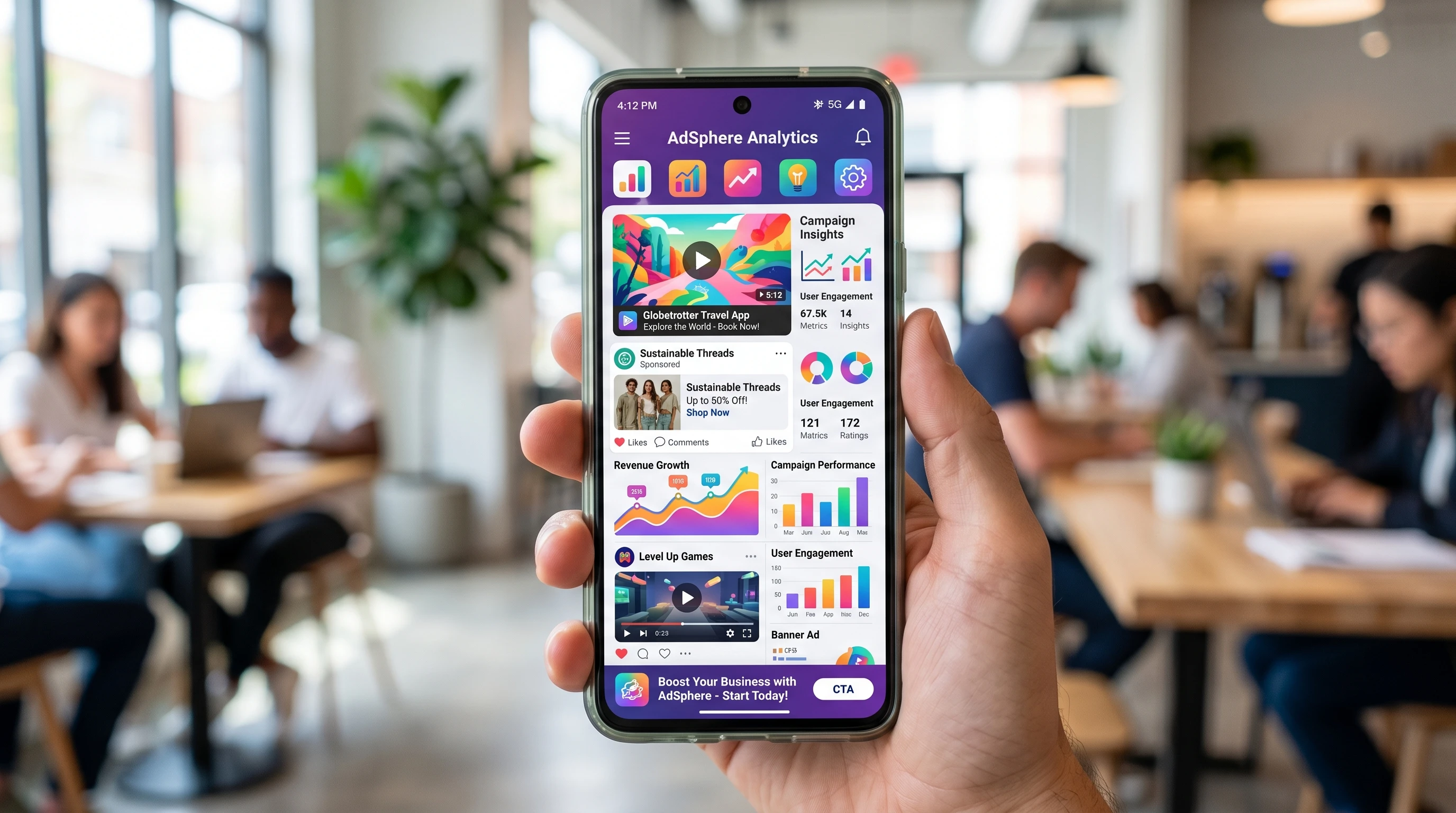
The Current State of Mobile Advertising
Mobile advertising has exploded as smartphones take over more and more of daily life. From news apps and games to shopping and social media, ads show up pretty much everywhere you tap or swipe. Marketers love this reach, and spending on mobile ads keeps climbing each year. Recent research from Statista shows global mobile ad spending was projected to top $327 billion in 2023, and it’s only going higher.
Of course, it isn’t just about volume. It’s about getting ads in front of the right eyes at the perfect moment, and doing it without being annoying or invasive. That’s exactly where some of the biggest challenges come into play, but there are bright spots too if you’re willing to get creative. As new platforms and ad types emerge, the whole field is evolving fast, which means marketers must adapt their strategies regularly to keep up.
Major Challenges in Mobile Advertising
If you’ve ever worked on a mobile ad campaign, you know there are a few headaches that pop up consistently. Some of these stick around no matter how tech evolves, while others are newer thanks to changes in privacy and user habits. Here are some that stand out in my own work:
- Ad Fatigue and Banner Blindness: People get tired of seeing the same types of ads, and in a lot of cases, their brains simply ignore banners or pop-ups. Apps and websites are flooded with ads, so it’s harder to make yours stand out without crossing into annoyance.
- Ad Blocking Software: Ad blockers on mobile browsers and even within some apps mean a huge portion of your audience might never see your carefully designed ad in the first place.
- Limited Screen Real Estate: There’s only so much space on a smartphone screen. You have to get creative and keep messaging short if you want your ad to actually be readable and clickable.
- Privacy Changes and Tracking Limitations: Apple’s App Tracking Transparency (ATT) changes and similar privacy updates give users more power to say “no thanks” to being tracked. This makes targeting and retargeting campaigns tougher since granular data is getting harder to access.
- Ad Fraud: Fake clicks, bots, and misleading impressions are surprisingly common in the mobile space. Without tight controls and constant checking, advertisers can waste a lot of budget on traffic that’s going nowhere.
Dealing With Privacy and Tracking Updates
The last couple years really changed the game for tracking on mobile. After Apple rolled out its new rules in iOS 14, you could see advertisers everywhere suddenly scrambling to find new ways to reach users. When users can say no to tracking, that means less personalized ads, less reliable conversion tracking, and tougher optimization. My advice has always been to focus on first-party data, since whatever info users willingly give you inside your app is your best bet now. Contextual targeting is seeing a comeback too, since you can match ads to the kind of content someone’s browsing without crossing privacy lines. Additionally, building trust by openly communicating about your data practices can encourage more users to opt in to sharing information voluntarily. Brands that respect privacy and add value to their users’ experience are setting themselves up better for the long run.
The Ongoing Fight Against Ad Fraud
If you’ve seen your campaign getting hundreds of clicks but none of those people actually seem real, you’re probably running into ad fraud. A mix of bots, bad networks, or click farms can inflate impression numbers while draining your budget. Using reputable ad networks, adding verification software, and making sure to review the analytics helps cut down on this problem, but it does mean staying on your toes. Networking with industry peers and regularly training your team in recognizing new fraud tricks can also give you an upper hand, since new tactics seem to appear as quickly as old ones get patched up.
Opportunities Emerging in Mobile Advertising
It isn’t all obstacles. There are plenty of new tools and trends making mobile advertising way more interesting and effective than before. I’ve seen these approaches really move the needle, especially for brands looking to get attention in busy spaces:
- Personalized Experiences: Even with less data than before, it’s possible to personalize ads based on things like location, time, or user behavior within an app. These feel more relevant and less spammy, so users are more likely to get involved.
- Video and Interactive Ads: People love swiping through stories, watching quick reels, or playing a short game. Interactive ads (like playable game demos or polls) and vertical video take advantage of natural mobile habits.
- Native Advertising: Ads that look and feel like part of the app (like sponsored content in a social feed) are way less intrusive. These get higher engagement because they don’t disrupt the user experience.
- Location-Based Targeting: Many users still allow location services, so targeting users in the right place at the right time, for example, ads for coffee shops when someone’s downtown, has a big impact.
- Emerging Platforms: Shopping directly in apps, in-app AR experiences, and even sponsored placements in new social apps offer new ground for experimentation.
Why Video Ads Are Taking Over
One thing I’ve noticed is that video, especially short-form, punchy clips, gets more traction than almost any other ad type these days. TikTok, Instagram Reels, and even YouTube Shorts are packed with brands sneaking in clever ads and sponsored content. If you’ve got a message that easily fits in a few seconds, or something visually exciting to show off, video is worth trying. Just remember to keep it vertical so it looks natural to someone scrolling on their phone. Consistent branding, subtitles, and quick value add can also help your video ad stand out quickly, making a powerful impact in those first crucial seconds. Even small brands can produce engaging video content now, thanks to easier-to-use editing tools and templates.
A Better Look at Native and Contextual Ads
Native ads are those ones that blend right in with the content, like a sponsored post on Instagram or a promoted tweet. These work because they match what the user is doing instead of interrupting. I’ve run campaigns where native ads outperformed banners by a big margin. They’re especially handy if you want users to trust your message, since they feel less like traditional sales pitches. Contextual ads, meanwhile, target users based on the content they’re currently viewing, which means you can be more relevant without needing detailed tracking data. This mix of native and contextual advertising allows for better engagement and an improved experience overall. Some marketers are now pairing these techniques for maximum effect, tailoring their creative to specific environments and moments.
Tips for Navigating Mobile Advertising Challenges
Making the most of mobile advertising means being willing to adapt and try new things. Here are a few things that help me steer around the biggest issues:
- Keep Testing Formats: What works one month might not work the next. Try new ad types, like swipeable carousels, interactive videos, playable ads, or simple static images, to see what your audience actually responds to.
- Focus on Quick Loading: Mobile users bounce fast if an ad, landing page, or app takes too long to load. Keep file sizes down and watch your load times.
- Prioritize Privacy and Transparency: Let users know why you need data and how you’ll use it. Being open about your privacy policy goes a long way toward building trust and avoiding problems down the line.
- Use Analytics and A/B Testing: Small tweaks with creative, headlines, or calls to action can have a big effect. Track every campaign and adjust quickly based on what performs best.
- Match with the App or Content Experience: Ads that feel like they belong, using the same tone, style, or humor as the app itself, are way better received.
Additionally, engaging with your community or gathering direct feedback can help you refine your approach. Regularly checking forums, reviewing competitor strategies, or even running user surveys gives you extra insight into what your audience truly wants.
Real-World Examples and Case Studies
In my own consulting experience, directly optimizing campaigns for both startups and bigger brands, I’ve seen a few tactics produce steady results:
- Gaming Apps: Playable ads that offer a quick “demo” of a mobile game often reduce install costs and boost retention, since users know what they’re signing up for. For example, a casual puzzle game’s playable ad can spark downloads from users who instantly enjoy the sample and want more.
- E-Commerce: Personalized product recommendations based on recent browsing or purchase behavior lead to much higher clickthrough and conversion rates compared to generic ads. Beauty and fashion brands that show recently-viewed or complementary products see more sales per user because the ads are relevant and timely.
- Location-Based Rewards: I’ve worked with cafes and local shops that use geofencing to send exclusive offers when people are nearby. This helps drive real foot traffic at just the right time of day. One small coffee chain saw morning sales spike after testing immediate push notifications with a discount that was only good for an hour.
Another interesting example is using social media stories for flash sales, where the temporary nature of the ad drives urgency and quick action among users. These all-in-one tactics combine location, timing, and personalization to maximize campaign results.
Frequently Asked Questions About Mobile Advertising
Q: What can I do to make my mobile ads stand out?
A: Video and native formats seem to get the most attention right now, especially if they match the style of the app or content they’re shown in. Testing different creatives and focusing on relevance always helps. Trying out interactive features or catchy hooks in the opening seconds can also set your ad apart.
Q: How should I handle privacy updates from Apple and Android?
A: Collect first-party data honestly, give users clear information about their choices, and consider contextual targeting. Opt-in rates for tracking are often low, but creative strategies can still deliver good results. Above all, be upfront with users and transparent about their options.
Q: Is mobile ad fraud really that common?
A: Unfortunately, yes. Automated bots and fake traffic inflate numbers. Using verified networks and keeping an eye on performance data helps spot suspicious activity early. Setting up alerts for unusual traffic spikes or conversion patterns can help you catch issues before they drain your budget.
Looking Ahead: Trends and Predictions
Mobile advertising isn’t slowing down any time soon, but success means keeping your approach flexible. Augmented reality (AR), commerce directly inside social apps, and smarter use of AI for targeting and content creation are areas I’m keeping a close watch on. As mobile devices and user habits continue to change, staying curious and willing to experiment will go a long way toward getting results. The growing role of 5G is also letting advertisers push out richer, more immersive ads without slowing down user devices. If you can deliver value without being a nuisance, you’ll have a much easier time reaching your audience, no matter what updates or changes roll out next.

