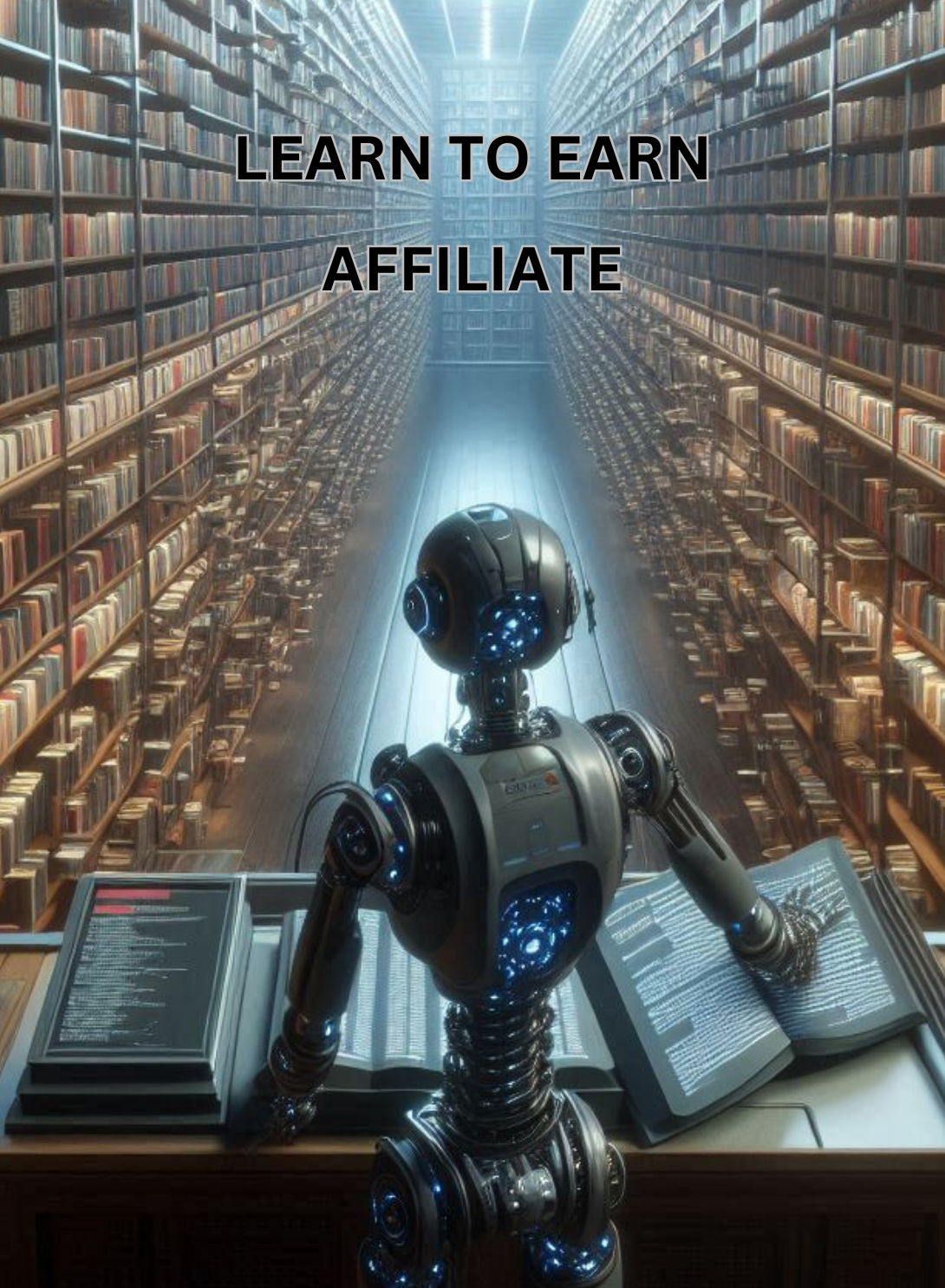
Artificial Intelligence is shaping up to be a game-changer in the creative industries. From film production to graphic design, AI tools are being integrated into creative processes to enhance outputs and speed up tedious tasks. What was once purely the domain of human creativity is now enriched with algorithmic input.
In the world of art and design, AI isn’t just a tool, it’s becoming a collaborator. There are fascinating case studies out there, like the one where artists team up with AI algorithms to create stunning visual landscapes or entirely new music compositions. These partnerships show how human creativity can flourish with the support of machine learning.
A big part of this synergy comes from recognizing the strengths each side brings to the table. Humans are fantastic at coming up with innovative concepts and storytelling that resonate emotionally. On the flip side, algorithms have the precision and ability to process vast data more efficiently than any human ever could. It’s all about teamwork and knowing how to leverage each other’s talents.
If you’re considering dipping your toes into this hybrid way of working, it’s worth starting with understanding the current advancements in AI technologies. Get curious about machine learning algorithms and how they can enhance what you’re already doing. Remember, it’s not just about the technology itself; it’s how creatively you can use it to tell your story or convey your message.
Humanizing AI: Harnessing Artificial Intelligence without Losing Authenticity
AI might be smart, but it doesn’t own the rights to creativity. This is where keeping that human touch really matters. While AI helps streamline production and brings fresh insights, staying true to your unique voice is essential.
One major challenge in combining AI with personal creativity involves maintaining authenticity. Ever read something generated by an AI that felt a bit… off? That’s what happens when algorithms miss the subtle nuances of human emotion and intent. Finding that balance between the efficient AI output and genuine human expression is key.
When it comes to creating content, personalization is becoming more significant. AI can assist in tailoring experiences to individual preferences, providing recommendations, or creating custom designs and content that feel bespoke. That said, it’s critical to use AI tools thoughtfully, ensuring the final work resonates with real human experiences and emotions.
Embrace AI as an ally in your creative toolkit. Let it handle repetitive tasks so you can focus on where your talents really shine. By doing this, you’re not just conserving time and energy; you’re expanding the potential of what you can achieve as a creative professional.
Boosting Efficiency: Practical Tools and Techniques
When it comes to ramping up your creative productivity, AI tools can be a serious asset. They’re not just about getting more done, but also about unlocking new ways to solve problems and generate ideas. From predictive text to image generation and music composition, there’s a whole toolbox out there ready to expand how you work.
To make the most out of AI, start by identifying routine tasks that eat up time and energy. Things like data analysis or initial design mock-ups are places where AI can step in and free you up to focus on the more impactful parts of your projects. By doing this, you inject efficiency into your workflow without sacrificing quality.
There’s also a huge world of machine-learning insights that can spark innovation. Algorithms can dive deep into data to find patterns or trends that might not be immediately obvious. These insights can then inspire totally new creative directions or angles that might not have occurred to you otherwise.
Integrating AI smartly into your workflow is about collaboration—not just between you and your computer, but among team members as well. AI can sometimes handle different facets of a project simultaneously, making it easier to coordinate across teams and keep productivity humming smoothly.
Ultimately, the key is seeing AI not as a replacement but as a tool that amplifies what you’re already great at. With a bit of experimentation and a willingness to explore, you can find the right mix of human creativity and AI efficiency to bring your projects to life.
Ethical Considerations: Navigating the Intersection of AI and Human Creativity
Ethics is more than just the buzzword of the year—it’s a crucial part of the conversation when it comes to integrating AI with human creativity. The technologies are moving quickly, but that doesn’t mean we should cut corners on responsibility.
One of the biggies to consider is the balance between innovation and ethical responsibility. Moving fast is exciting, but ensuring that these AI tools don’t inadvertently perpetuate biases or invade privacy is top priority. Keeping AI development in check with ethical standards is a must to safeguard both creators and audiences.
Then there’s the tricky terrain of copyright and legality. AI might craft artwork or write copy, but who really owns the output? Navigating these legal waters is essential for anyone using AI in their creative process. It’s not just about the output’s validity but understanding who holds the rights in the digital era.
We also can’t overlook the societal impacts that AI integration might have. AI is reshaping job roles and responsibilities in creative industries, pushing us to rethink our skills and adapt. AI won’t eliminate the need for human creativity, but it will challenge the way roles are traditionally viewed and how they’re executed.
While AI opens up endless possibilities, employing it thoughtfully and responsibly will ensure it’s a tool for good—an ally in the ongoing mission for creativity and innovation. Stay curious, stay informed, and most importantly, stay ethical.