
Writing attention-grabbing headlines can make a real difference when you’re looking to connect with people online. Whether you’re sharing a blog post, launching a new product, or aiming to increase clicks on your content, nailing the right headline raises your chances of reaching a wider audience. Getting good headlines isn’t just about luck—it blends practice and understanding what really resonates with readers. After years of trial, error, and learning from top-performing examples, I’ve picked up several key strategies for writing headlines that grab attention and spark curiosity. In this guide, I’ll walk you through proven techniques and steps I use every time I create headlines that actually get read and clicked.
Why Headlines Matter So Much
The headline is usually the first thing anyone sees; often, it’s the only thing. With content filling up every feed and inbox, grabbing attention early is more important than ever. Studies say about 80% of people read only the headline before deciding whether to click. For social shares and search results, your headline can make or break your article’s chance to stand out.
Great headlines aren’t just for news sites or blogs—they’re just as valuable for product pages, YouTube videos, email subjects, and even tweets. The battle for readers’ attention is real, so spending a bit of extra time on your headline truly sets your content up for more views, engagement, and shares.
Laying the Groundwork for a Powerful Headline
The strongest headlines I’ve seen are direct, clear, and spark a bit of curiosity. You don’t need mysterious or clickbait phrases—simply showing what’s useful, interesting, or surprising does the trick. Here’s what most effective headlines have in common:
- Promise a Benefit: Good headlines hint at real value or solutions, drawing in readers who want advice or quick answers.
- Be Specific: Mention exact numbers, results, or clear topics to set expectations and show you’re offering something concrete.
- Create Curiosity: Leave just enough unsaid so readers want to know more and click through for the details.
- Stay Clear: Simple language works best. Overly complicated words and jargon tend to scare readers off.
Breaking Down Common Headline Types
Different types of headlines work best depending on your audience and content. Mixing up your approach based on purpose and who you’re writing for is a clever move. Here are some headline styles I rely on, along with examples to bring them to life:
- How To Headlines: Example: “How to Organize Your Work Desk in 10 Minutes.” These are great for tutorials, guides, and advice pieces.
- List Headlines: “7 Easy Tricks for Writing Headlines That Get Clicks.” List-based headlines let readers know they’re in for manageable, skimmable tips.
- Question Headlines: “Why Aren’t Your Headlines Getting Read?” This style invites people to check out answers to problems or questions they care about.
- Benefit Headlines: “Boost Your Traffic Overnight With These Headline Hacks.” Tell people upfront what they’ll gain.
- Curiosity Headlines: “The Surprising Reason Your Emails Go Unopened.” Make readers curious so they’re motivated to find out more.
Step-by-Step Guide to Writing Headlines That Work
Sharpening your headline writing skills is something everyone can do with a bit of steady practice. Here’s the process I use every time I start from scratch:
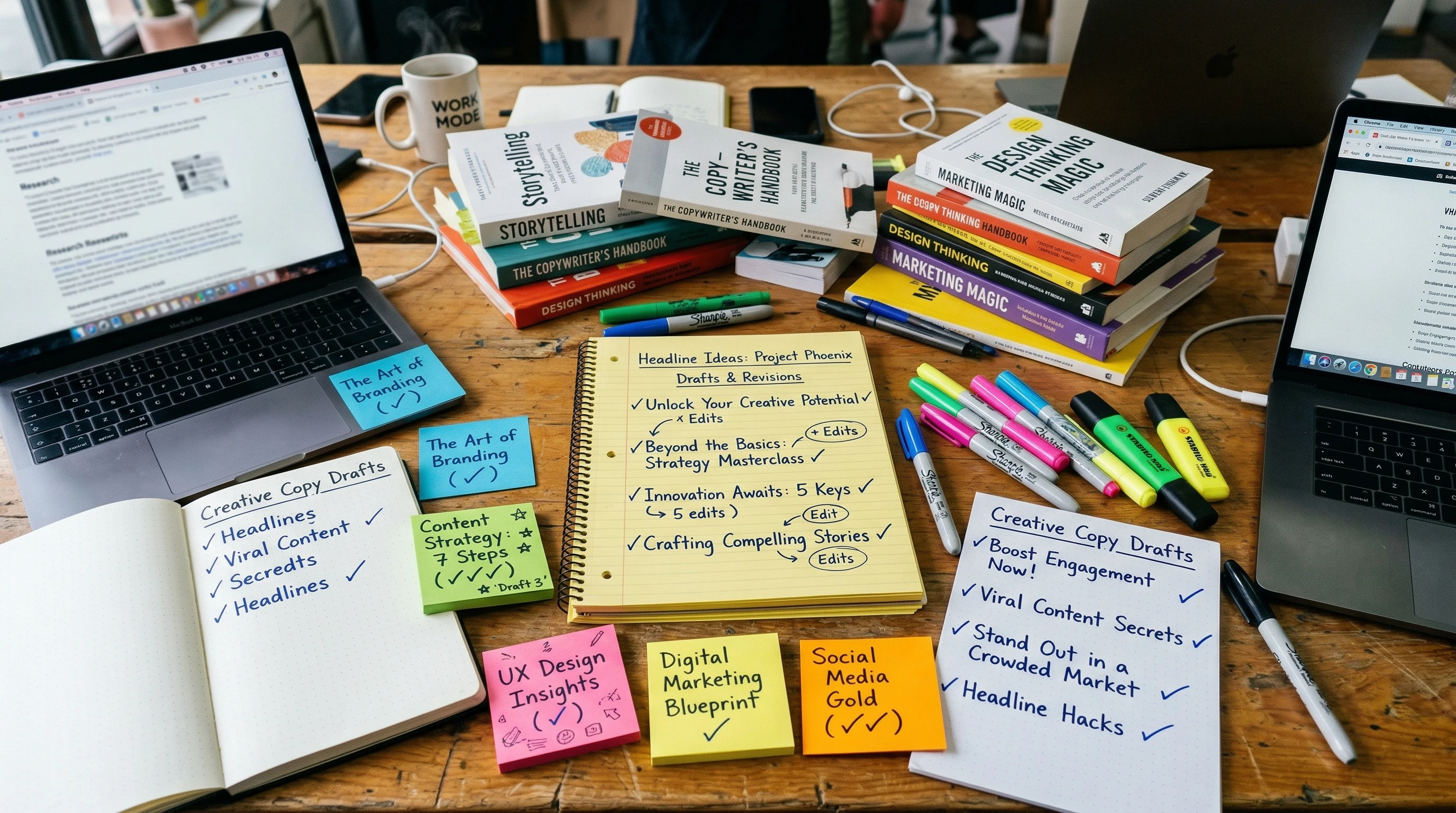
- Draft Multiple Options: My first headline rarely makes the final cut. By writing at least five or ten variations, I stumble upon fresh ideas and better fits. Sometimes swapping the order of words or swapping verbs changes the catchiness.
- Think About the Reader: Stepping into my audience’s shoes helps a ton. What headline would grab my attention if I were scrolling past? Addressing readers directly—especially using “you”—makes the message personal and engaging.
- Test for Clarity: If my headline doesn’t make clear what’s in it for the reader, it isn’t ready yet. Clarity beats cleverness, as wordplay that confuses is a turnoff.
- Add a Number (When Appropriate): Numbers give headlines structure and show exactly what readers get. For example, “5 Ways to Write Better Headlines” is easier for readers to digest quickly.
- Edit Without Mercy: Trim any extra words. Shorter, sharper headlines are punchier and more memorable for readers glancing over their screens.
Troubleshooting: Why Some Headlines Flop
Even with effort, not every headline lands well. Over time, I noticed certain patterns for why some just don’t connect:
- Too Vague: Headlines like “This Is Amazing” don’t show what the article is about nor why readers should care.
- Too Long: If headlines go over 60 characters, they risk being cut off—especially in emails or search results. I keep mine short and impactful.
- All Caps or Overblown Hype: Shouting (ALL CAPS) or using “You’ll Never Believe This!” wears thin and can even annoy readers.
- No Focus: Trying to cover too much in one headline muddles the message and leaves readers confused.
- Just Plain Boring: If the headline sounds dull or generic, people scroll right past it.
What helps is sharing headline drafts with friends or pasting them into headline analyzers like CoSchedule’s tool. Feedback highlights what to fix before going live.
Advanced Tips: Stand Out in Crowded Digital Spaces
Once you have the basics down, you can get into some next-level cool tricks to make headlines pop even more. Here are a few I’ve picked up that routinely give my headlines a boost:
- Try Unexpected Words: Tossing in an out-of-the-ordinary adjective or a quirky phrase can earn a second look, so long as understanding isn’t lost.
- Use Trending Topics: If your industry has a hot topic or challenge everyone’s talking about, referencing it in your headline can drive more clicks and shares.
- A/B Test When Possible: For emails or ads, pit two headline versions against each other to see which gets more attention. This real-world test gives the clearest insights about your specific audience.
- Mix in Power Words: Strong verbs like “unlock,” “transform,” and “hack” create energy and intrigue—without going overboard.
Don’t be afraid to experiment with new ideas, even if they break your usual mold. Testing new strategies keeps headlines fresh and helps find what works best for your brand and followers.
Real-Life Headline Makeovers
It’s always helpful to see how small shifts can make headlines much more eye-catching. Here are a few makeovers that have worked in my experience:
- Before: “This Guide Helps With Time Management”
After: “How to Master Your Day: Simple Time Management Hacks” - Before: “Our Software Features”
After: “7 Features That Make Your Workflow Smoother” - Before: “The Importance of Saving Money”
After: “5 Easy Ways to Save Extra Money This Month”
Tweaking just a few words can give an old or flat headline next-level cool energy, leading to more shares and higher click-through rates.
Common Questions About Headline Writing
Over the years, people have asked me plenty about what makes headlines work. Here are some of the most popular questions and quick answers:
Question: How long should a good headline be?
Answer: The sweet spot is usually six to ten words or about 50–60 characters. This makes headlines look good in search engines and ensures they’re scannable on all devices.
Question: Should I use keywords in my headline?
Answer: Adding main keywords helps search engines spot your content. Just be sure it reads naturally—don’t force it where it doesn’t fit.
Question: How many headline versions should I write before picking one?
Answer: My advice is to draft at least five variations. Each new attempt sparks different ideas, and reviewing them side by side shows which ones pack more punch.
Question: Do question headlines work well?
Answer: Absolutely. If the question hits on a real reader interest or problem, it draws people in—as long as the question is clear and has a worthwhile answer.
Using Headlines Across Different Platforms
Headlines go far beyond just blog articles. I use the same headline principles across lots of platforms:
- Email Subjects: Clear, specific subject lines get better open rates and keep emails out of the spam folder.
- Social Media Posts: With short attention spans, concise statements and bold language win the scroll battle on social platforms.
- Product Titles and Descriptions: Leading with the top benefit in product headlines helps shoppers spot value fast when browsing.
- YouTube Video Titles: Blending clear benefits and a touch of curiosity leads to more clicks and watch time on videos.
Tailoring your headline to suit the unique vibe of each platform while holding onto core principles is key for stretching your content’s reach.
Chasing Better Headlines: Practice and Consistency Pay Off
Writing strong headlines is an ongoing process. I keep all my headline drafts, track which approaches get the best results, and never stop experimenting. While there’s no one formula that always works, staying focused on clarity, punchiness, and a little spark of curiosity has paid off for me again and again.
No matter your experience, putting extra care into headline creation makes every piece of content more likely to succeed. Practice often, experiment boldly, and watch how your audience reacts. The more you write and refine, the more your headlines (and your content) will stand out and make a difference every time you put your words out there.