
If you’re stepping into the world of affiliate marketing, understanding how commissions work can save you time, confusion, and frustration down the line. Affiliate commissions are what make the whole business tick for content creators, influencers, and digital entrepreneurs. Whether you’re trying to turn a side hustle into something more steady or just want to learn how the money side works, getting a handle on commissions is a pretty smart first step.
What Affiliate Marketing Commissions Actually Are
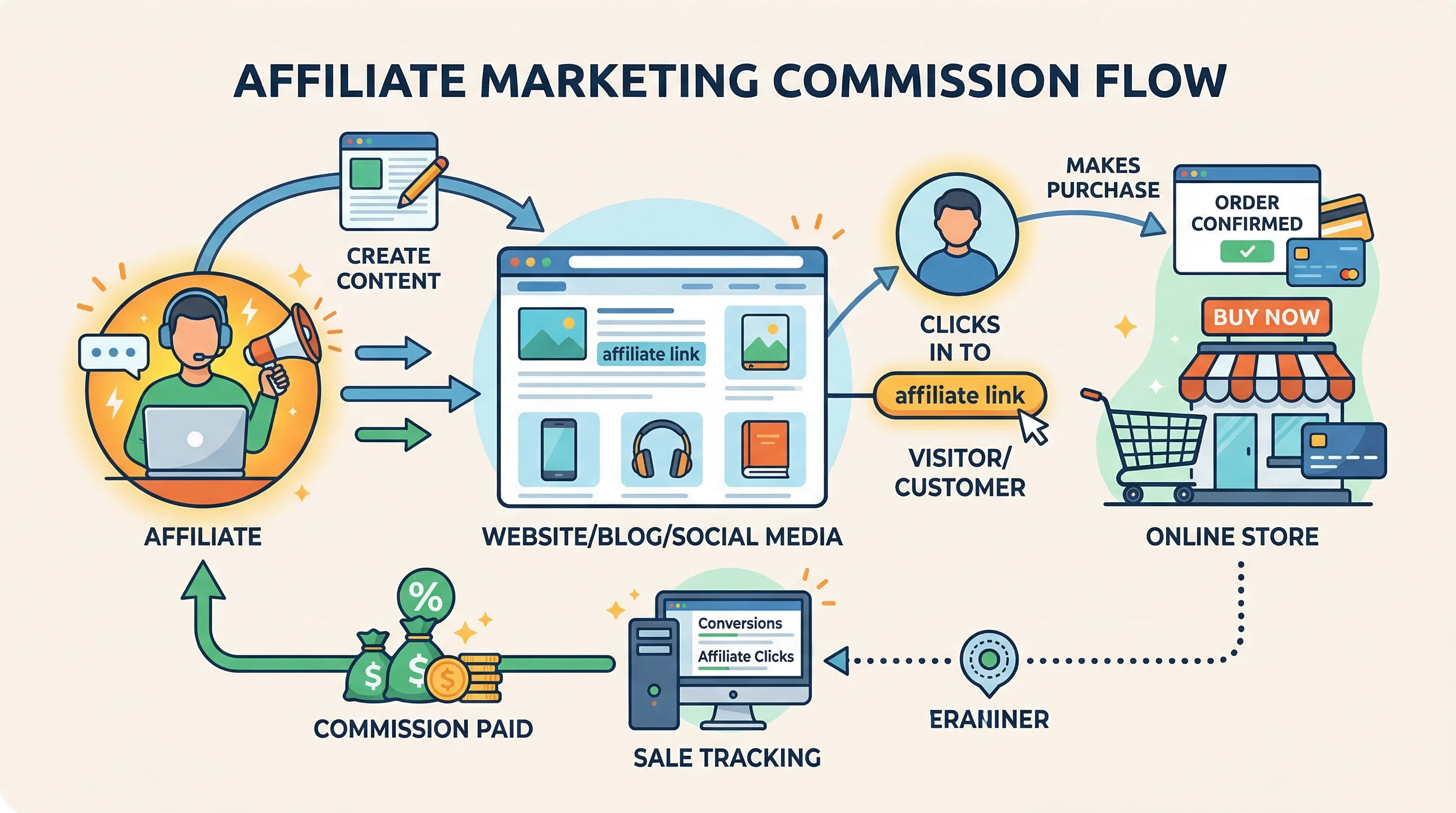
In affiliate marketing, a commission is your cut of the sale whenever a customer you referred completes a purchase. Businesses love using affiliate programs because it’s a win–win: they make more sales without upfront advertising costs, and you get rewarded for bringing in new customers.
This model has blown up in recent years. From bloggers reviewing kitchen gadgets to TikTok creators sharing skincare favorites, commissions drive income for thousands of people online. Companies can offer anywhere from a few percent up to a chunkier payout on each sale, depending on the industry and the specific program.
The roots of affiliate marketing go back to the 1990s, when big brands like Amazon launched programs to expand their reach through partners. It’s grown since then, now powering a sizable slice of e-commerce worldwide, with many industries—tech, fashion, fitness, home goods, and software—all having affiliate programs in some form.
Types of Affiliate Commissions Explained
Not all commission models work the same way. It pays (literally) to understand what’s out there so you can focus your effort where you’ll get the best result:
- Pay Per Sale (PPS): This is the most common type. You get a percentage of the sale price when someone buys something after clicking your link.
- Pay Per Lead (PPL): Companies pay you for leads you generate, like someone signing up for a newsletter, trial, or demo—even if they don’t make a purchase right away.
- Pay Per Click (PPC): You earn money for each click your link generates, no purchase necessary. These usually pay less per click, but can add up with bigger traffic.
- Recurring Commissions: When you refer customers for subscription services (think SaaS or streaming), you might get paid as long as your referral keeps their subscription active.
Each of these suits different types of content and audiences. For example, if you have a blog teaching beginners how to use a new software, recurring commissions are pretty handy. Meanwhile, lifestyle blogs often rely on pay per sale or pay per lead setups.
There are also hybrid models out there, such as programs that reward both a lead and a sale, blurring the lines between different structures. Keep in mind that the structure you choose can massively impact your strategy and long–term earnings potential.
How Affiliates Actually Earn: Commission Rates and Structures
Commission rates can range from 1% to 75% (or sometimes even a flat rate). But there’s more to it than just the percentage. The structure also matters and can sometimes get a little tricky.
Here are some common commission structures:
- Flat Rate: You earn a specific dollar amount per action, whether it’s a sale, signup, or click.
- Tiered Commissions: Programs reward affiliates with higher commission rates as your sales volume increases. The more sales you generate, the more you make per sale.
- Two Tier Commissions: Not only can you earn from your own referrals, but also from affiliates you’ve brought into the program, like a bonus for introducing others.
Most companies post their commission details on their affiliate program pages. Taking time to read the fine print is really important because some programs have limits, such as commission caps, exclusivity rules, or payout thresholds that can delay your earnings.
It is also important to note that some programs provide bonuses for hitting certain milestones or for promoting new products, so staying connected to the updates from affiliate managers can pay off. Tracking your stats over time helps you spot which program or product fits your goals best.
Factors That Influence Affiliate Commissions
Not all products or industries pay the same. Some key things influence what you actually take home:
- Product Type: Digital products (like ebooks or online courses) often have higher payouts since there are no shipping or inventory costs. Physical goods usually offer lower rates (think 3%–10%).
- Industry Standards: Tech and software tend to offer better rates, sometimes 30% or more. Meanwhile, retail and consumer goods are known for lower, volume–based commissions.
- Cookie Duration: When someone clicks your link, a “cookie” tracks their visit. If the cookie only lasts 24 hours, you have a short window for a commission. Longer durations (like 30 or 90 days) boost your chance of getting credit for a sale.
- Attribution Model: Some programs use “first click” attribution (the first click gets the sale), others use “last click.” Make sure you know how the program credits sales.
If you’re promoting a product with a short cookie duration or low rate, you might need more volume to make it worthwhile. Programs that reward affiliates with longer cookie windows and fair attribution tend to be better for beginners and those growing their audience.
Beyond these basics, some programs adjust rates by product category or promotional period. For example, you might notice higher commissions on new launches or holiday promotions. Choosing the right combination of products and timing can give a real boost to your bottom line.
How You Get Paid: Payout Methods and Schedules
The actual method and schedule of payment varies by program:
- Direct Deposit: Funds drop right into your bank account. Usually the quickest and easiest.
- PayPal or Digital Wallets: Many programs send payments through PayPal, Skrill, or even crypto. These are good for international affiliates.
- Check: Some pay by check, but this can mean slower payouts.
Payout schedules can be monthly, biweekly, or even weekly. But most programs have a minimum threshold you must reach—like $50 or $100—before transferring your earnings. Knowing this helps you plan your cash flow, especially if you rely on this income.
International affiliates may also need to check for currency conversion fees or local banking regulations, so plan ahead to avoid surprises. Some services offer prepaid cards for payouts, giving you another flexible option.
Common Challenges: What to Watch Out For
While making money through affiliate marketing looks simple on the surface, there are a few hurdles every affiliate marketer faces:
- Tracking Issues: Sometimes, sales or clicks aren’t tracked due to ad blockers, people clearing cookies, or technical errors. Always double–check your reports and contact affiliate support if something feels off.
- Reversals and Returns: If a customer returns a product or cancels a purchase, the commission you earned could get clawed back. This is common, especially in retail and digital product spaces.
- Changes in Commission Rates: Companies can (and do) change their commission rates. It’s worth staying up to date with the rules and any updates sent by the affiliate network or merchant.
- Program Closure: Sometimes, an affiliate program ends suddenly or changes platforms. Backing up your links and joining several programs helps reduce impact if this happens.
Protecting Your Earnings
It helps to keep records of your links, programs, and past payouts so you aren’t left scrambling. Regularly reviewing your affiliate dashboards makes it easier to spot problems before they affect your payouts. Having a few income streams rolling at once is also good practice, so you’re never putting all your eggs in a single basket.
Building relationships with affiliate managers is also smart. Reaching out when you notice dips or discrepancies can solve issues quickly. Detailed spreadsheets or tracking apps help you keep an eye on all the moving pieces as your affiliate activities grow.
Tactics for Boosting Commission Revenue
Once you’re comfortable with the basics, you might be ready to fine–tune your approach and increase what you earn. Here are reliable ways to do that:
- Focus on High Paying Programs: Research and sign up for affiliate programs that match your audience and offer better rates. Checking affiliate–focused forums and review sites can give a quick sense of which programs pay well and reliably.
- Promote Products You Trust: Readers and viewers spot authenticity. Sharing honest experiences or demonstrating real use cases often leads to better conversions, which means more consistent commissions.
- Optimize Your Content: Place links in high traffic spots, use clear call–to–actions (CTAs), and experiment with placements. Simple tweaks to blog layouts or video descriptions can drive more clicks and sales.
- Stay Up to Date with Trends: Some products are hot for a season, then cool off. Following trends, launches, and consumer behaviors keeps your recommendations relevant and competitive.
- Leverage Email Marketing: If you have a list, that’s pure gold. Sharing valuable recommendations, reviews, and deals with subscribers helps drive more commissions than a static webpage alone.
Experimenting with different formats helps, too. For example, you might add comparison tables, product round–ups, or case studies to show real–world benefits. Affiliate marketing isn’t just about the link—you’re building trust and adding value for your audience.
Real World Scenarios Where Commissions Really Matter
The way commissions add up isn’t always obvious until you see them in action. Here are a few scenarios where your choices as an affiliate make a difference:
- Tech Tutorials: Someone running a tech review YouTube channel might promote software or gadgets with recurring commissions. Even if they get fewer clicks, each customer can bring ongoing monthly revenue.
- Health and Fitness Blogs: A fitness influencer might suggest supplements or workout gear for a percent of sales. Here, higher ticket items or long cookie durations help bring in bigger checks, especially as seasonal trends ebb and flow.
- Online Learning or SaaS: Educational websites recommending online courses or tools for students often get flat rate commissions or recurring income as long as people stay subscribed.
Choosing programs that match your niche, audience expectations, and content style dramatically impacts what you earn over time. It’s also a smart move to look for exclusive offers or higher commissions from vendors who support affiliates with custom links or materials.
Frequently Asked Questions
Here are answers to some common questions about affiliate marketing commissions:
How do I know if an affiliate program is reputable?
Answer: Check for clear commission structures, transparent terms, and frequent, reliable payouts. Programs with good online reputations and plenty of positive feedback from other affiliates are usually safer bets. Reading detailed reviews and forum discussions can also help.
What happens if someone returns a product I referred?
Answer: Usually, your commission is reversed, which means you won’t get paid for that particular sale. Some programs have grace periods during which returns can happen, so be sure to check the terms.
Can I work with more than one affiliate program at once?
Answer: Yes, most affiliates use several programs to switch up their income. Just make sure each program allows it, and pay attention to exclusivity clauses in the affiliate agreement.
Final Thoughts
Getting familiar with how affiliate commissions work is really important if you want to find success as an affiliate marketer. From understanding pay per sale versus recurring models, to tracking cookie durations and reading the payout terms, every detail can affect your income. Wise program choices and smart content strategies help you make the most of the opportunities in affiliate marketing, and as you build experience, you’ll find plenty of room to grow your earnings over time.