
Newsletters are a really practical way to build lasting relationships with your audience. If you’re trying to keep your readers coming back, share fresh updates, or just create a stronger sense of community, newsletters make it easy to stay connected without having to battle crowded social feeds. Over the years, I’ve seen how a well-done newsletter can shape an audience and turn casual readers into true fans. In this guide, I’ll break down how to use newsletters to both grow your list and keep your subscribers genuinely engaged.
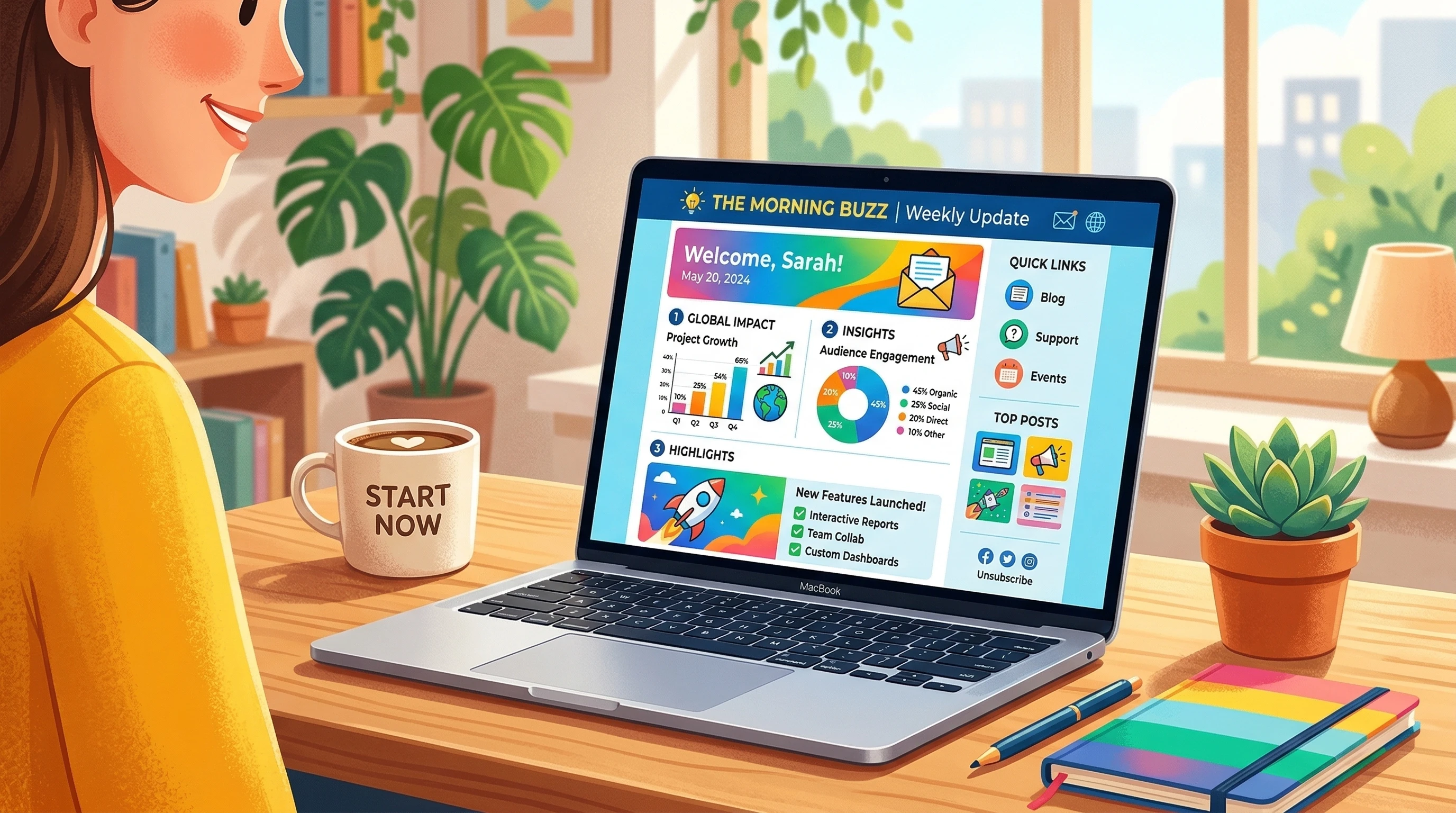
Getting Started With Newsletters: Why They’re Still So Useful
Email might seem a bit old school with all the new shiny platforms out there, but newsletters consistently deliver some of the best results for online businesses and creators. Research from HubSpot shows that over 70% of people prefer email for business communications. Newsletters land right in your readers’ inboxes, skipping the noise and distractions of social media algorithms.
The main appeal is pretty simple: you own your newsletter list. Unlike followers on a social platform, your email subscribers belong to you, not some unpredictable algorithm. That direct line of communication is super important for stability and long-term growth. From promoting new blog posts to sharing tips, personal stories, or exclusive deals, newsletters let you craft a unique experience for your audience.
How To Grow Your Newsletter Audience
Building a healthy subscriber list starts with understanding what gets people excited to sign up. Here are some ideas and steps that have worked well for me and plenty of other creators:
- Offer Value Upfront: Give readers a clear reason to subscribe. Whether it’s a free checklist, a downloadable guide, or just useful insights that can’t be found anywhere else, lead magnets are a tried and true way to encourage signups.
- Keep Sign Up Simple: Limit the number of form fields and make your subscription process as smooth as possible. Most people don’t want to fill out long forms; they just want content without the hassle.
- Highlight Benefits: Spell out what subscribers will get and how often you’ll email them. Clear expectations build trust and make it more likely people will stick around for your updates.
- Use Attention Grabbing Calls to Action: Buttons and links that say things like “Send Me Tips” or “Get the Free Guide” tend to work better than plain old “Subscribe.”
Digital creators, small business owners, and even nonprofits use these methods to turn casual readers into newsletter regulars. Reader focused newsletters (like The Hustle or Morning Brew) show just how far these strategies can go, growing millions of subscribers by offering clear value in every issue.
Adding a personal touch is especially powerful. Share quick stories from your own experience, spotlight interesting subscriber feedback, or include a tip that changed your workflow. People are more likely to share your newsletter when it feels authentic and approachable.
Engaging Your Subscribers: What Keeps People Reading
Getting new subscribers is only half the battle. If you want people to look forward to your emails, focusing on engagement is key. Here’s what makes the difference for most newsletter audiences:
- Consistency: Sending your newsletter on a reliable schedule (weekly, biweekly, or monthly) helps set expectations. People like knowing when to expect something from you, and it’s less likely that they’ll forget why they signed up in the first place.
- Personal Touch: Write like you’re talking to a friend. Share quick stories, personal insights, or what’s working for you right now. These “behind the scenes” moments help readers feel connected to what you’re doing.
- Actionable Content: Offer practical tips, how tos, or resources that readers can put to use right away. Quick wins turn your newsletter from just another email into something people rely on.
- Ask for Feedback: Encourage replies and questions. Not only does this make your list feel more like a conversation, it’s a great source of ideas for future newsletter topics.
- Mix It Up: Switch between different types of content: a featured article one week, a tool roundup the next, then maybe an exclusive offer. Variety keeps things interesting and shows your subscribers you’re paying attention to what they care about.
When I started injecting more personality and practical advice into my newsletters, I saw much better open rates and got way more replies. Don’t be afraid to try new formats; surveys, polls, and even quick quizzes can be a fun twist that keeps people coming back.
It’s also smart to check your analytics regularly. Look at which links people are clicking, which topics get replies, and which newsletters see the best open rates. This info shows you what resonates most with your audience, helping you fine tune your content as you go.
What To Think About Before Launching Your Newsletter
Jumping into newsletter creation without a plan can lead to discouraging results and a lot of wasted time. Here are some factors I always consider and recommend thinking about before kicking things off:
- Audience Interests: Get clear on what your people want to read about. Using polls, reviewing previous content that performed well, or even asking outright in a blog post can give you plenty of content ideas.
- Newsletter Platform: There are tons out there: Mailchimp, ConvertKit, Substack, and others. Look for something easy to use with good support and features like automation, AB testing, and analytics.
- List Hygiene: Remove bounced emails and inactive readers regularly. Clean lists get higher engagement and are less likely to trigger email spam filters.
- Compliance: Make sure you’re following privacy laws like GDPR and CAN SPAM. That means including a visible unsubscribe link and being clear about how you use subscribers’ info. Most modern platforms take care of the basics for you, but it’s always good to double check.
Choosing a Newsletter Platform
I’ve tried a bunch of platforms over the years. For someone just starting out, MailerLite and ConvertKit are really userfriendly and have enough free features for a small list. If you want to monetize through paid subscriptions, Substack and Beehiiv are worth checking out. Picking a platform you actually enjoy using makes it way easier to stick to your publishing schedule.
Email Frequency
How often you send emails will depend on your audience and the type of content you’re sharing. Weekly works well for most, but some go biweekly or monthly with good results. It’s more important to be consistent than to meet some “ideal” frequency, so pick a pace that feels doable for you.
Advanced Tips for Growth and Retention
If you want to get more advanced and see faster growth, a few simple tweaks and strategies can help your newsletter punch above its weight:
Segment Your List: Most newsletter platforms let you divide your list into smaller groups based on interests or behaviors. This lets you send more targeted content, like exclusive product news to past buyers or certain tips only to those who requested them.
AB Test Subject Lines: Classic subject line tweaks, like adding a question, using first names, or keeping it super short, can make a big difference in your open rates. Most platforms let you try two or more subject lines to a subsection of your list, then automatically send the “winner” to the rest.
Cross Promote With Others: Guest features, swaps, or “recommendation” sections at the end of your newsletter can help you grow your audience by introducing you to new readers from similar niches. This works especially well with industry colleagues or other bloggers whose style matches yours.
Exclusive Content or Offers: Sending special bonuses to subscribers, like early access, coupon codes, or downloadable resources, makes people feel appreciated and gives extra incentive to stick around.
Another smart tactic is to encourage your current subscribers to share your content. Providing easy share links or mentioning a referral giveaway can help your audience grow through word of mouth. If you feature reader questions or shoutouts, it adds to the sense of community and keeps subscribers invested in your newsletter’s growth too.
Real World Examples of Newsletters in Action
Plenty of big and small creators have used newsletters as the core of their online presence. Here are just a couple of styles that work well across different niches:
- Community Updates: Hobby clubs, nonprofits, and local event groups use newsletters to keep members updated on upcoming activities and achievements. Regular, concise updates go a long way toward keeping everyone tuned in and involved.
- Education and Tutorials: Industry experts, coaches, and course creators send regular tips, how tos, or deep dives. For example, a Photoshop tricks newsletter or a weekly small business advice letter can build trust and position you as a go to resource.
- Curated Content: Some of the fastest growing newsletters simply collect and share the best links, tools, or articles each week, saving readers the hassle of hunting down cool stuff on their own. These curation newsletters get shared a lot, which is a nice bonus for growth.
Product newsletters are another example: brands often send updates about launches and special offers, using exclusive discounts to reward their most loyal subscribers. This tight feedback loop keeps supporters engaged and boosts direct sales—something social platforms can’t easily duplicate.
Frequently Asked Questions
Here are some common questions I get when people are starting their own newsletters:
How do I get people to open my newsletter?
Start with a clear, interesting subject line and deliver content that matches what you’ve promised when they signed up. Personalized greetings, punchy intro sentences, and making every issue feel valuable are all super helpful too.
What’s the best way to grow my newsletter list quickly?
Focus on lead magnets, simple sign up forms, and sharing your newsletter on all your platforms. Don’t forget to ask your current subscribers to forward your emails to friends or colleagues who might be interested.
How can I avoid my newsletters ending up in spam?
Stick to a clean list, avoid spammy words (like “Free $$$” or “Buy now!”) in your subject lines, and ensure you have permission from everyone on your list. Providing an easy unsubscribe link is also really important for keeping things legit.
Your Next Step In Building An Engaged Audience
Growing an email newsletter is one of the most reliable ways to connect deeply with your audience. Even in a world full of social platforms, nothing matches the direct line and flexibility that email gives you. Stay consistent, listen to your readers, and always offer something new or useful. With a little effort and the right approach, newsletters can move your audience from casual readers to loyal fans who look forward to every email you send.