
Affiliate marketing looks really appealing if you’ve ever browsed the web and seen people talking about earning passive income. You might have friends or social media feeds showing dollar signs and screenshots from affiliate dashboards. At its core, affiliate marketing means earning a commission for promoting someone else’s products or services. Sound easy? It can be, but there’s a lot happening behind the scenes that goes beyond just dropping a link and waiting for money to roll in. If you’re wondering whether affiliate marketing is a good choice for you, I’ll break down some of the biggest pros and cons, plus what you actually need to get started (and stay motivated).
What Exactly Is Affiliate Marketing?
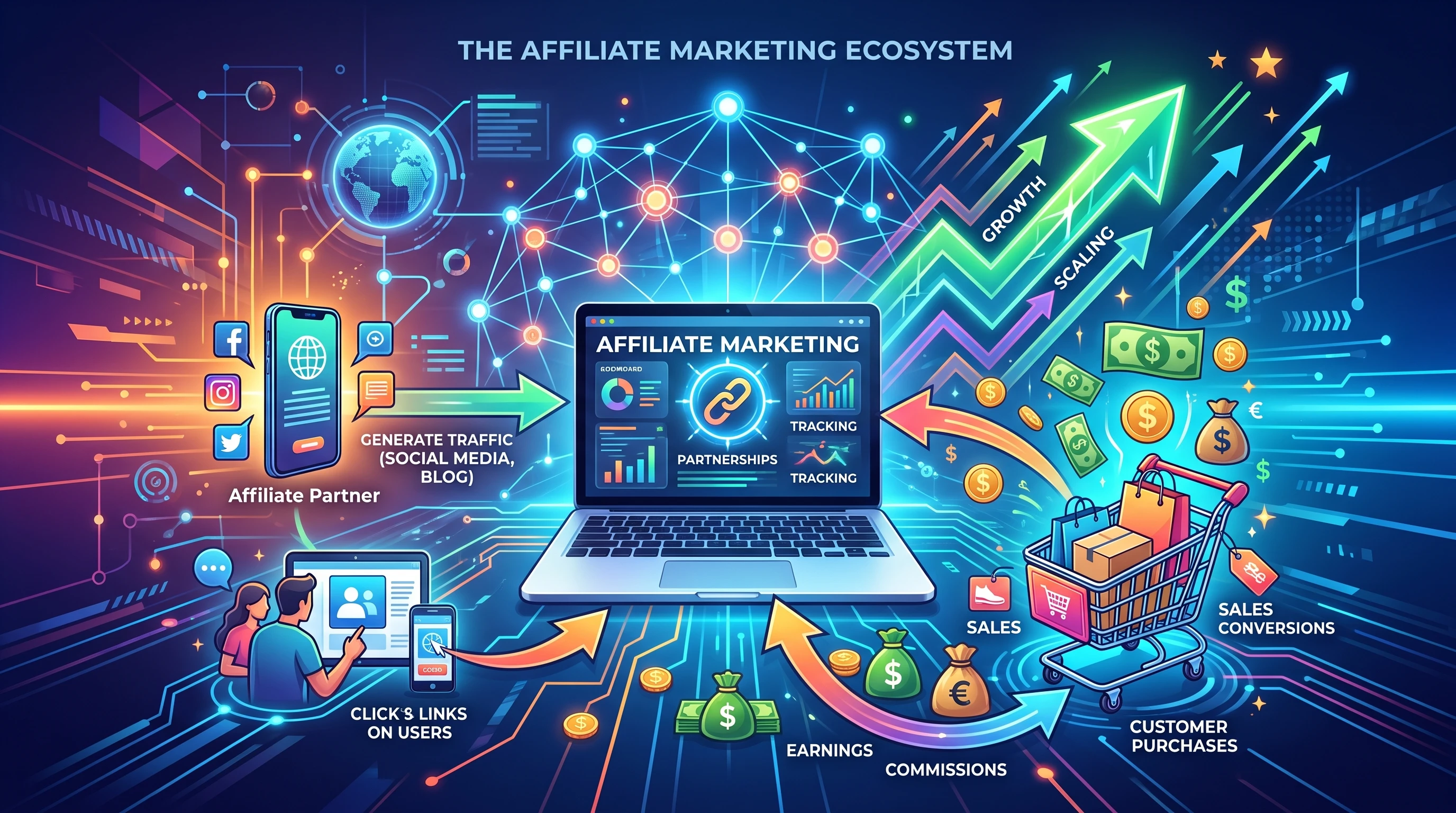
Affiliate marketing is all about partnership. You share products, services, or even digital downloads with your audience using unique tracking links. When someone clicks your link and makes a purchase, you earn a percentage of that sale. Shops love this because they only pay out if someone buys. For you, it means there’s no need to handle payment, shipping, or customer service. Pretty convenient.
This marketing style pops up everywhere, such as on blogs, social media, YouTube, podcasts, and email newsletters. The most common setup involves joining “affiliate programs” like Amazon Associates, or being part of networks like ShareASale or CJ Affiliate. Many small companies—even software providers—run direct affiliate programs too. The opportunities are everywhere, but that means competition is fierce as well.
How Does Affiliate Marketing Work?
Here’s a quick overview of how affiliate marketing usually works:
- Join an Affiliate Program: Sign up with a company or affiliate network and get your special tracking links for products you want to promote.
- Pick What to Promote: Choose items or services you think your audience would find helpful. Relevance makes a huge difference in your results.
- Share Your Links: Post your affiliate links on your website, blog, YouTube channel, or anywhere you connect with your audience.
- Make Sales = Earn Commission: Every time someone buys through your link, you get paid a commission, usually a percentage of the sale.
Some programs pay out per sale, others on leads or clicks. Always read the payment terms before jumping in, so you know what to expect.
Affiliate Marketing Pros: Why People Love It
Wondering why affiliate marketing draws in so many beginners and side-hustlers? There are several genuine upsides to this approach:
- Easy to Start: You don’t need a ton of money upfront. Most affiliate programs are free to join and you can get up and running with just a blog or a social account.
- No Products, No Inventory: Since you’re just promoting, you have zero shipping or stocking worries. Everything after the sale is handled by the brand.
- Works From Anywhere: All you need is an internet connection, and some hustle. It can be a remote side gig or a full-time adventure.
- Variety of Niches: There’s an affiliate program for almost any interest, such as tech, beauty, health, fitness, gaming, or home decor.
- Passive Earning Potential: With evergreen content or long-lasting product reviews, you can continue to earn long after your work is published.
- Flexible Schedule: Most affiliates work on their own time. Perfect if you want something you can build around your other responsibilities.
I noticed that the more I focused on topics I actually cared about, or used the products myself, the easier and more authentic my content became. This not only builds trust, it keeps things fun too. By sharing personal experiences or real outcomes, you make a connection with your readers who might be making the same purchasing decisions.
Affiliate Marketing Cons: What People Don’t Always Tell You
The process sounds pretty hands-off, but there are some side effects and headaches that come with affiliate marketing:
- Can Take Time to See Results: It might be weeks or months before you see your first payout. Building an audience and ranking on Google isn’t instant.
- Income Isn’t Guaranteed: Some months you could earn almost nothing, especially if your content gets buried or products change.
- Commissions Can Be Low: With platforms like Amazon, payouts might be just a few percent per sale. You’ll often need serious volume to pull in meaningful cash.
- Platform Dependence: Swings in algorithms or affiliate program policies can slash your traffic or even get you banned. Mixing in sources helps, but it takes added effort.
- Heavy Competition: Popular niches are packed with experienced affiliates and big brands who have already locked down top rankings.
- Disclosure and Legal Rules: You need to follow laws about disclosure (like letting readers know your links are affiliate ones), which means more work and some extra attention to detail.
I’ve run into affiliate programs suddenly slashing commissions or closing shop entirely. This can be frustrating if you’ve built up a lot of content around them. Keeping up with terms and having backup options goes a long way. It’s wise to make sure your content is adaptable and occasionally update links or recommendations so that you don’t lose out on commissions.
Things to Think About Before Getting Into It
If you’re thinking about affiliate marketing, here are some areas to weigh carefully:
- Your Niche or Focus: Do you know what you want to talk about, and are there programs that pay well in that space?
- Audience Size and Trust: Do you already have website visitors, email lists, or social followers, or will you be starting from scratch?
- Content Driven Approach: Are you happy to produce blogs, videos, or reviews consistently, even before profit rolls in?
- Willingness to Learn: SEO, analytics, and copywriting all help. It’s pretty important to treat it like a small business, even if you’re just “testing the waters.”
- Patience and Motivation: Results are slow at first. Most affiliates quit in the beginning, not because it’s impossible, but because it takes real persistence.
Careful research helps buyers make informed decisions. Looking at affiliate program reviews, payout schedules, and what’s trending in your topic can save you time and disappointment later on. It’s also a good idea to read forums or watch experienced marketers to get a sense of what works best.
Common Pitfalls and How to Avoid Them
- Relying On One Source: If all your traffic comes from one platform, such as Google or Instagram, and that dries up, so do your earnings. Spreading out across several platforms keeps things safer.
- Ignoring Rules: Not every platform or program has the same rules about what you can say or promote. Reading the fine print, as annoying as it is, is pretty important.
- Promoting Lowquality Products: Selling stuff you wouldn’t use yourself can backfire. Honest reviews build long-term credibility. Readers notice when you’re just pushing links.
- Thinking It’s Handsoff: Affiliate marketing is more about steady content and audience growth than “set it and forget it.” Updating posts and keeping links fresh are ongoing tasks.
Practical Tips for Getting Started
After trying different affiliate programs and tweaking my strategies, here are a few tips that worked for me:
- Start Small: Pick one or two programs and focus on a few products you know. This keeps things manageable and helps you spot what works.
- Be Transparent: Always add a notice that you might earn commissions. Honest communication builds reader trust and keeps you legal.
- Keep Testing: Swap in new offers, change up content formats, and try tracking which links perform best. Simple experiments often bring the biggest insights.
- Invest in Learning: There are loads of free and low-cost guides for affiliate marketing, SEO, and copywriting. The more you know, the better you’ll do.
- Track Everything: Use link management tools to see which links and strategies lead to real results. Analytics can be your secret weapon.
As you move forward, remember to nurture your relationship with your audience. Reply to their emails or comments, address questions, and be honest about what you do and don’t recommend. Long-term success comes from trust more than from aggressive sales tactics.
Some RealWorld Examples
- Product Reviews: Writing honest reviews of items you use can attract organic search visitors looking for “best-of” or comparison content.
- Howto Content: Tutorials that show readers how to use a product let you naturally include affiliate links and provide value at the same time.
- Email Recommendations: Curating product recommendations or special deals in a newsletter is a friendly, direct way to convert loyal email subscribers.
- YouTube & Video Guides: Many viewers head to YouTube for demo videos or unboxings, making video a strong affiliate channel.
I’ve seen affiliates in niche hobbies, such as gardening, pet gear, or niche crafts, do surprisingly well just by focusing on genuinely helping their audience and providing original advice. If you can share unique insights or in-depth comparisons rather than repeating what’s on every other site, your content will stand out.
Frequently Asked Questions
Here are some questions I get from readers when they first look into affiliate marketing:
How long does it take to make money?
For most people, a few months is standard before seeing steady income. The biggest earners usually have a year or more of content and traffic under their belt.
Do I need a website?
No, but having a website or blog gives you a lot more control. You can use social media or YouTube, but platforms can change rules on you anytime.
Is affiliate marketing legal?
Yes, if you follow disclosure laws and join legitimate programs. The FTC has clear guidelines, and most big affiliate programs help you stay compliant.
What’s the best type of content for affiliate links?
Product reviews, how-to guides, comparisons, listicles, and resource roundups usually perform really well. People want trustworthy tips, not just sales pitches.
Wrapping Up
Affiliate marketing can be a fun and flexible way to grow an online income. It’s really important to go in with realistic expectations. Success usually comes from providing genuine value and sticking with it during quiet spells. If you love sharing helpful info, are patient, and don’t mind a little experiment-and-learn adventure, it’s definitely worth checking out. Just remember, honesty and consistency pay off in the long run.
Want more affiliate marketing tips, or ready to jump in? Keep learning, don’t be afraid to try new things, and focus on helping your audience first. The income will follow.