
Creating a digital marketing plan sounds like a big process, but with the right steps, it’s completely doable—and actually pretty rewarding. I’ve spent a lot of time helping businesses and friends put together marketing plans from scratch, and having a clear roadmap truly makes everything more manageable. A well-crafted digital marketing plan lets you connect with your audience, make the most of your resources, and get real results. Here’s a guide I put together breaking down the basics with some straightforward, practical tips, so you can set up your own effective online marketing blueprint.
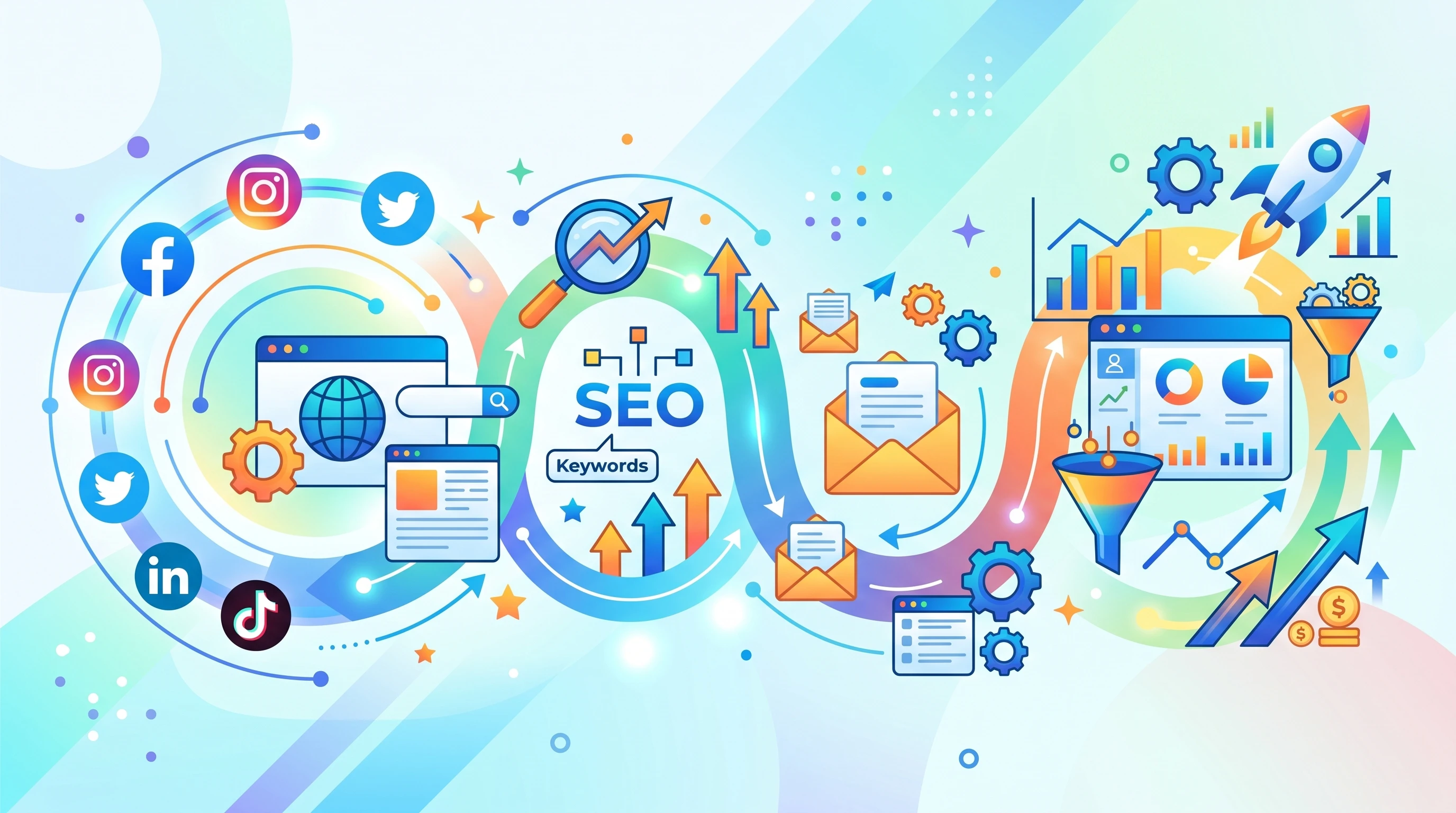
Understanding Digital Marketing Plans
Digital marketing isn’t just one thing—it’s a mixture of strategies and methods to promote brands, products, or services online. Having a structured plan keeps you focused and saves you from surprises down the line. The digital world is constantly changing; new platforms emerge, algorithms get switched up, and audience behaviors change all the time. Laying out a plan means you aren’t just guessing; you know exactly what you’re working toward.
Digital ad spending surpassed $600 billion worldwide in 2023, marking just how important it is for brands to build a strong digital presence. From social media ads to search engine optimization, email campaigns, and influencer partnerships, there’s a ton to consider. Staying organized with a step-by-step approach makes it much easier to check what’s working best for your specific goals.
Key Components of a Digital Marketing Plan
The best digital marketing plans are ones that cover all the key elements. Here are the core components I recommend focusing on:
- Defining Your Audience: Knowing exactly who you’re reaching out to is essential. When you have a real idea of your ideal customer—their challenges, interests, and what they care about—everything falls into place.
- Setting Goals and KPIs: Work out what success means for your business. It could be increased website visitors, more sales, or stronger engagement on your chosen social channels. Setting specific, measurable targets keeps your efforts on track.
- Choosing Your Channels: Digital marketing spans SEO, email newsletters, social media, paid ads, content marketing, and more. Pick the channels that match your goals and audience.
- Budget and Resources: Figure out how much you’re able to invest, both in money and effort, to put your marketing plan into action.
- Content Strategy: Decide what kind of content you’ll create—like blog posts, short videos, podcasts, or infographics—to attract and keep your audience’s attention.
- Measurement and Reporting: Set up systems to track how you’re doing, such as Google Analytics or built-in social platform insights. Use the data to spot what’s effective and where to improve.
Getting Started: Steps for Building Your Plan
Even if you’re a beginner, there are some simple steps you can follow to build a solid marketing plan:
- Research Your Market and Audience: Start by checking out competitors, industry trends, and conducting customer surveys. Tools like Google Trends, or just asking your existing customers or social followers, can turn up super helpful info.
- Pin Down Your Unique Value: Work out what sets you apart from the competition. Whether it’s unbeatable pricing, a product that solves a big problem, or customer support that goes the extra mile, make sure you shine a light on it.
- Set Concrete Goals: Use the SMART framework (Specific, Measurable, Achievable, Relevant, Time-Bound) to focus your efforts. For example, “Boost email subscribers by 30% over the next four months.”
- Pick Your Digital Channels: Pick the channels that align with your industry and audience. If you’re in B2B, for example, LinkedIn and webinars might give better results. Retail brands might instead turn up the heat on Instagram, TikTok, or Facebook.
- Map Out Your Content: Brainstorm content topics, formats, and a posting schedule. A printable calendar can make a huge difference in sticking to your plan.
- Allocate Budget and Resources: Divide your available resources among platforms, campaigns, or helpful tools like social media schedulers, online design apps, or analytics dashboards.
- Track and Adjust: Stay flexible. Marketing is not set-it-and-forget-it; regularly check in on results and tweak your plan as needed.
By following these steps, you’ll have a clearer sense of purpose and direction, helping you avoid common marketing headaches down the line.
Things to Think Through Before You Jump In
Some familiar challenges tend to come up again and again when working on a digital marketing plan. Here are the big ones and some tips to get around them:
- Unclear Audience: A message that tries to speak to everyone usually connects with no one. Instead, build personas and take advantage of online research to zero in on your best-fit customers.
- Unrealistic Timelines: It’s very easy to want quick results in a digital world, but giving yourself realistic timelines pays off—especially when you’re still building an audience or testing what works.
- Budget Overstretch: Trying too much at once drains your energy and money. Sometimes a focused approach on two to three channels is more powerful than trying to be everywhere.
- Staying Up to Date: Platforms and algorithms are always changing. Get in the habit of reading a marketing newsletter or following two or three experts you find helpful to keep your knowledge fresh.
Audience Definition
Marketing to everyone is usually less effective than reaching a particular group. For example, a city bakery that makes vegan treats could target young professionals who love plant-based eats, while a consulting agency might work mainly with fast-paced startups. If you feel stuck, set up a few short interviews or look at your most loyal customers to get ideas.
Content Planning
It’s better to be consistent than to post in bursts and disappear. Pick a manageable schedule, such as publishing a weekly blog post and two social media updates. Using templates and a simple calendar not only helps organization—it smooths the way for creative ideas, too.
Choosing Channels
Instead of spreading yourself thin, focus on the channels where your audience already spends time. For local businesses, Google Business Profile and Facebook often deliver great results. For global brands, photo-driven channels like Instagram and Pinterest might bring a bigger splash. SEO and your website are rock-solid foundation steps for most businesses.
Budget and Tools
Marketing tools can give your efforts a boost, but you don’t need to spend a fortune. Free or entry-level tools like Google Analytics, Canva for design, Mailchimp for small email lists, and Hootsuite for scheduling deliver plenty of power for small teams. As you grow and learn more about what’s working, expand your toolkit with intention.
Advanced Digital Marketing Tips and Tricks
When you’ve got your plan running steadily, use these ideas to set your results free and level up your performance:
Mix Up Your Content Formats: Try short form videos, Stories, polls, live streams, or quizzes. New and varied formats keep your campaigns feeling fresh and often get extra exposure from social platforms.
Use Automation: Automate routine tasks like social scheduling, basic email sequences, or data reporting. Automation tools save you serious hours that you can then reinvest in creative strategy.
Retargeting for Warmer Leads: Use retargeting ads to keep your brand in front of visitors who came close but didn’t make a purchase or sign up—these reminders can make a noticeable impact on conversions.
Try Collaboration: Teaming up with influencers or complementary businesses sets you up for cross-promotion, unlocking new audiences for both sides. Even small collaborations can drive a surprising amount of growth.
Experiment with A/B testing, too. Once, after switching up the headline text on a client’s online ad, we saw engagement double in less than a week—a reminder that testing and small tweaks can have big payoffs.
Practical Examples: How Different Businesses Use These Plans
Seeing digital marketing plans in action provides inspiration and helps new ideas surface. Here are some real-world use cases:
- Local Service Businesses: A plumber running Google Ads and focusing on local SEO, plus sharing before-and-after project posts on Facebook, sees a steady bump in leads from their neighborhood.
- Online Retailers: An ecommerce store gathers reviews and photos from shoppers, runs Instagram campaigns, and keeps in touch through e-newsletters packed with fresh deals and tips.
- B2B Companies: A B2B software firm posts education-focused LinkedIn content, creates downloadable guides that turn readers into qualified leads, and uses PPC ads for precision targeting.
- Nonprofits: A charity boosts engagement with storytelling videos on YouTube and Facebook, paired with strong calls-to-action for donations or volunteering, leading to higher campaign participation.
No matter the industry, brands win with detailed planning and by staying open to small experiments that keep them relevant and growing.
Frequently Asked Questions
There’s a lot to consider when setting up your marketing plan. Here are some questions I hear the most, along with answers to help steer you in the right direction:
Question: How long does it take to see results from digital marketing?
Answer: It varies by tactic and industry, but most businesses notice effects from social campaigns within one to three months, while SEO gains can take longer. Paid ads yield fast feedback, though lasting momentum comes with continual improvements over time.
Question: What’s the best way to track digital marketing success?
Answer: Start by plugging your website into Google Analytics and setting up pixel tracking for your social ads. Each platform comes with its own dashboard; review these weekly and pay attention to steady upward trends. Use the insights to double down on what works best.
Question: Do I need to use every digital channel?
Answer: Absolutely not! Stick with the platforms your audience already uses. Doing a few things thoroughly is much smarter than spreading yourself too thin.
Final Thoughts on Building Your Digital Marketing Plan
Having a digital marketing plan gives your brand direction, boosts your visibility, and helps you use your resources wisely. Whether you’re focused on more website visits, bigger email lists, or memorable ad campaigns, a well-thought-out plan is the way to achieve solid results. Start simple, monitor progress as you go, and make adjustments when needed. Over time, you’ll get sharper at seeing what works, and your marketing will only get stronger with regular practice—plus a willingness to try something new.
So, roll up your sleeves and pay thoughtful attention to your digital presence. Online marketing keeps changing, but with a smart plan at your back, you’ll always stay ahead and ready for what comes next.ī