
Building a brand that people actually remember feels pretty tough these days with all the noise out there. Even if you have a solid product or service, getting noticed takes more than just a logo or a catchy tagline. I’ve helped friends and small business owners shape brands from scratch, so I know that standing out is more about clarity, consistency, and a strong voice than flashy gimmicks. Here’s how I’ve learned to break down branding into ten straightforward steps that anyone can follow to build a brand worth talking about.
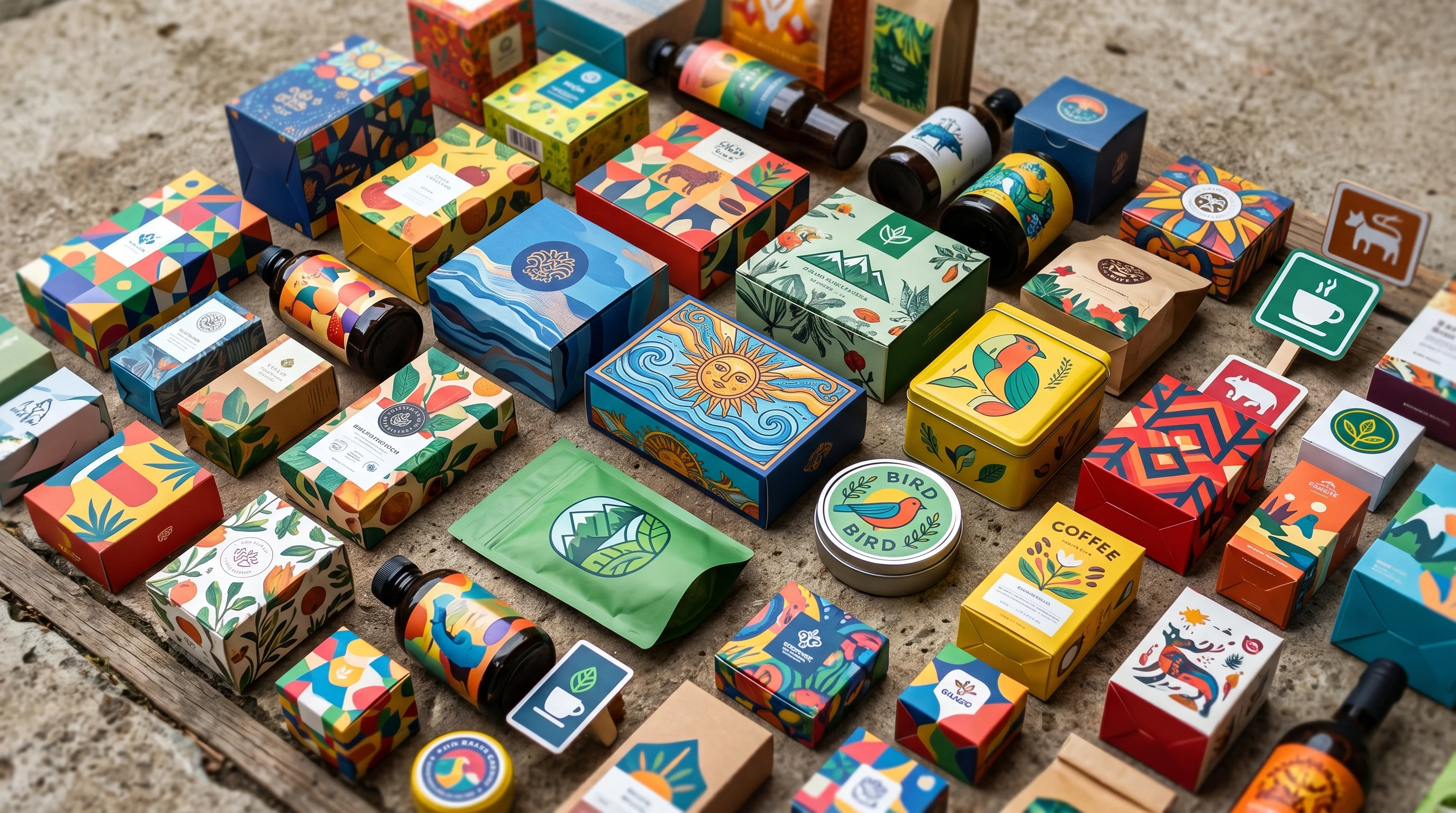
Why a Standout Brand Matters
Brands pop up everywhere—from your phone screen to the supermarket shelves, on city buses, and pretty much every corner of the web. Without a plan for what your brand stands for and how it looks, it’s easy to blend in. That’s why getting this stuff right from day one is super important, whether you’re launching a business, blog, or local side hustle. A clear, unique brand can make you memorable, trusted, and easier to recommend.
According to a SmallBizGenius study, consistent branding increases revenue by as much as 23%. People recognize patterns and want to feel confident about what to expect when they see your name or logo. I’ve noticed customers naturally come back when a brand feels trustworthy and sticks in their mind.
Whether you’re a freelancer working from home, an entrepreneur opening a cafe, or an artist selling prints, the image you put out in the world matters. People often stumble upon brands by accident—they notice a catchy slogan, an eye-catching color combo, or a consistent social media presence. The stronger and clearer your brand, the more likely you are to get remembered and recommended to others.
How to Build a Brand That Gets Attention: 10 Key Steps
The magic doesn’t happen overnight, but these steps get you on the right track. Here’s how I’d go about building a brand from scratch, making sure it doesn’t just fade into the background.
- Find Your Brand’s Purpose
The bigger “why” behind your business matters a ton. Ask yourself: Why does your brand exist? What problem does it solve? Make this purpose more than just making money; it should connect with real needs or desires. For example, TOMS Shoes built its brand around giving a pair of shoes for every pair sold, making the story a core part of its identity. Laying this foundation pays off in clearer messaging later on. - Get to Know Your Audience
You really need to know who you want to reach. Think about their age, lifestyle, shopping habits, and even what annoys them about current brands. I like creating quick customer profiles or “personas”—stick figures with bullet points—so every decision later speaks to a real person, not a made-up crowd. Go beyond demographics and try to figure out what excites or irritates them, what hashtags they use, and where they spend time online. - Research the Competition
Peek at what others in your space are doing. What do you like about their branding? Are there colors, voices, or promises that show up everywhere? Find out what’s missing, or what you can do differently. For example, if all tech brands look blue and serious, trying something bold and playful can help your brand catch eyes. Careful research helps you carve out your own lane. Take notes from unrelated industries too—sometimes you can adopt a fresh approach by connecting two unlikely ideas. - Craft a Unique Brand Name
The name you pick is clutch—it needs to work on social media, look good in a logo, and feel right when you say it out loud. Run a quick domain search and check social platforms to make sure it’s available. Keep it short, easy to spell, and not too similar to bigger brands in your space. Try saying it with friends or posting it in a group to see people’s first impressions. - Design an Eye-Catching Logo and Visual Style
A logo is kind of like your brand’s face. Go for something simple but memorable. Pick colors and fonts that back up your brand personality—calm and trustworthy, fun and bold, or whatever vibe fits best. If you’re on a budget, tools like Canva or Looka are pretty handy for DIY logos, but investing in a pro designer really can make a difference down the line. Consider how your logo and colors will show up on mobile devices, packaging, and even in black-and-white printouts. - Write Your Brand Voice and Messaging
The way your brand “talks” online, in emails, and even in-store needs to feel the same everywhere. Is your voice formal, silly, caring, or no-nonsense? I like making a list of sample phrases or taglines to check for consistency. If your brand was a person, try describing how they’d talk to a friend versus a new customer. A clear voice helps set expectations and makes your story easier to follow. - Develop a Simple Brand Style Guide
This is a document (even just a page) where you list your logo, colors, fonts, tone of voice, and basic rules. It helps everyone on your team, and even you as the founder, stay on the same page. Every email, ad, or social post should look and feel like it came from the same “person.” Brands that get this right come across as polished and more trustworthy. Share your style guide with freelancers, partners, and friends who help out to keep things cohesive. - Tell a Relatable Brand Story
People remember stories more than just facts and features. Explain how your company started, the problem you wanted to solve, or even a tough challenge you overcame. Including real photos or milestones can help make your brand memorable. If you’re a solo founder, don’t be shy; let your personality come through. A good story creates emotional connections—something people talk about and share. - Create Consistent Brand Touchpoints
Every place your audience meets your brand is a “touchpoint”—your website, business cards, packaging, and even how you answer emails. Make sure your logo, colors, and tone show up the same way everywhere. Even the tiniest details, like an email signature or packaging sticker, add up over time. Reinforcing the same look and feel in every interaction builds trust and makes you easier to remember. - Collect Feedback and Tweak as You Grow
No brand is perfect on day one. I find it super useful to ask customers or friends for feedback on different branding pieces. What do they notice? Anything confusing or off-putting? Don’t be afraid to update your logo, website, or voice as you learn more about what clicks with your audience. Honest feedback—sometimes more helpful than positive comments—gives you direction for future changes.
What to Watch Out For When Building Your Brand
Even small oversights can throw a brand off track. Here are a few things I pay extra attention to, plus quick tips to stay sharp while building out a brand:
- Inconsistent Visuals: Double-check logos, fonts, and colors on every channel. Consistency goes a long way in helping people remember you. Being thorough with visuals, presentation, and even tiny details gives that professional touch.
- Copycat Syndrome: It’s easy to fall into trends or copy a bigger company, but unique brands get remembered. Pull ideas from different industries or add your own spin to an existing idea. Blending your personality or local flavor can set you apart instantly.
- Complicated Messaging: If your brand promise is hard to explain in one or two lines, simplify it more. Friends or family who “don’t get it” right away are great at testing this for you. Clear communication wins every time; don’t let potential fans get lost in jargon.
- Ignoring Feedback: Listen to useful feedback, but don’t overreact to every little comment. Balance is key. Look for patterns in what people say instead of acting on one-off opinions. Sometimes, the most repeated suggestion points out where you can really improve.
Finding the Right Balance With Your Brand
Sticking too closely to one formula can make your brand feel stiff, but going all over the place can confuse your audience. I’m always refining, tweaking the way my brand comes across on different platforms so it looks fresh without feeling random. Updates should keep things interesting while sticking to your brand values. Just like fashion, your brand style can adapt, but the basics—consistency and trust—stay locked in.
Practical Examples: Brands That Nailed It
Seeing how other brands made their mark can give you loads of practical inspiration. Here are a few brands I keep an eye on for their smart choices:
- Innocent Drinks: Their playful tone and minimalist design set them apart on crowded grocery shelves. Their packaging and cheeky social posts are instantly recognizable.
- Warby Parker: They mix quirky photos and a friendly website with a social mission, making a once-boring product (glasses) cool. Their at-home try-on model is both clever and customer-focused.
- Glossier: Built a massive following by inviting customers into their story—photos, reviews, even product ideas come straight from fans. Their signature pink hue and sleek visuals are everywhere, building loyalty with every post.
If you want more examples, check out brands like Chubbies, Mailchimp, or Patagonia for even more creative branding ideas—they each show off their personalities in ways that make people feel part of a club.
Frequently Asked Questions About Brand Building
Plenty of people get stuck on the details. Here are a few questions about branding that I get most often:
Question: How long does it take to build a recognizable brand?
Answer: It varies, but branding is a long game. Most brands start to see recognition after a year of consistency, but clear, professional branding speeds up the process. Sticking to your core look and message is what pays off the fastest.
Question: Do I need a huge budget to build a solid brand?
Answer: Not at all. Many great brands started out with DIY logos and simple websites. Over time, investing in a designer or better packaging can help, but great stories and a consistent voice are usually what stick.
Question: What if I want to change my brand later?
Answer: Brands do evolve. It’s totally normal to tweak your visuals, messaging, or even your name if it doesn’t fit anymore. Just aim to keep your current audience in the loop for less confusion. Updating your style is a sign of growth, not weakness.
Get Started and Keep Growing
A standout brand is about more than just pretty visuals. Every interaction, from the colors on your site to the message in your emails, shapes how people remember you. The brands I trust the most are the ones that stay true to their voice and look, but aren’t afraid to adjust if something isn’t working. Building a brand is a ride—sometimes bumpy, always interesting, and worth sticking with if you want to make a lasting impact. Whether you’re just starting out or hoping to freshen up, jump in and see where your unique brand story can take you.
