
If you’re considering jumping into affiliate marketing, picking the right affiliate program really impacts everything from how much you can earn to how easy it is to work with. There are what feels like countless options out there, and I know making sense of all the choices can be pretty confusing, especially if you haven’t tried affiliate marketing before. I’m here to walk through the biggest questions people have about choosing affiliate programs, plus offer some tips and insider notes based on what I’ve learned along the way.
Understanding Affiliate Programs: Quick Overview
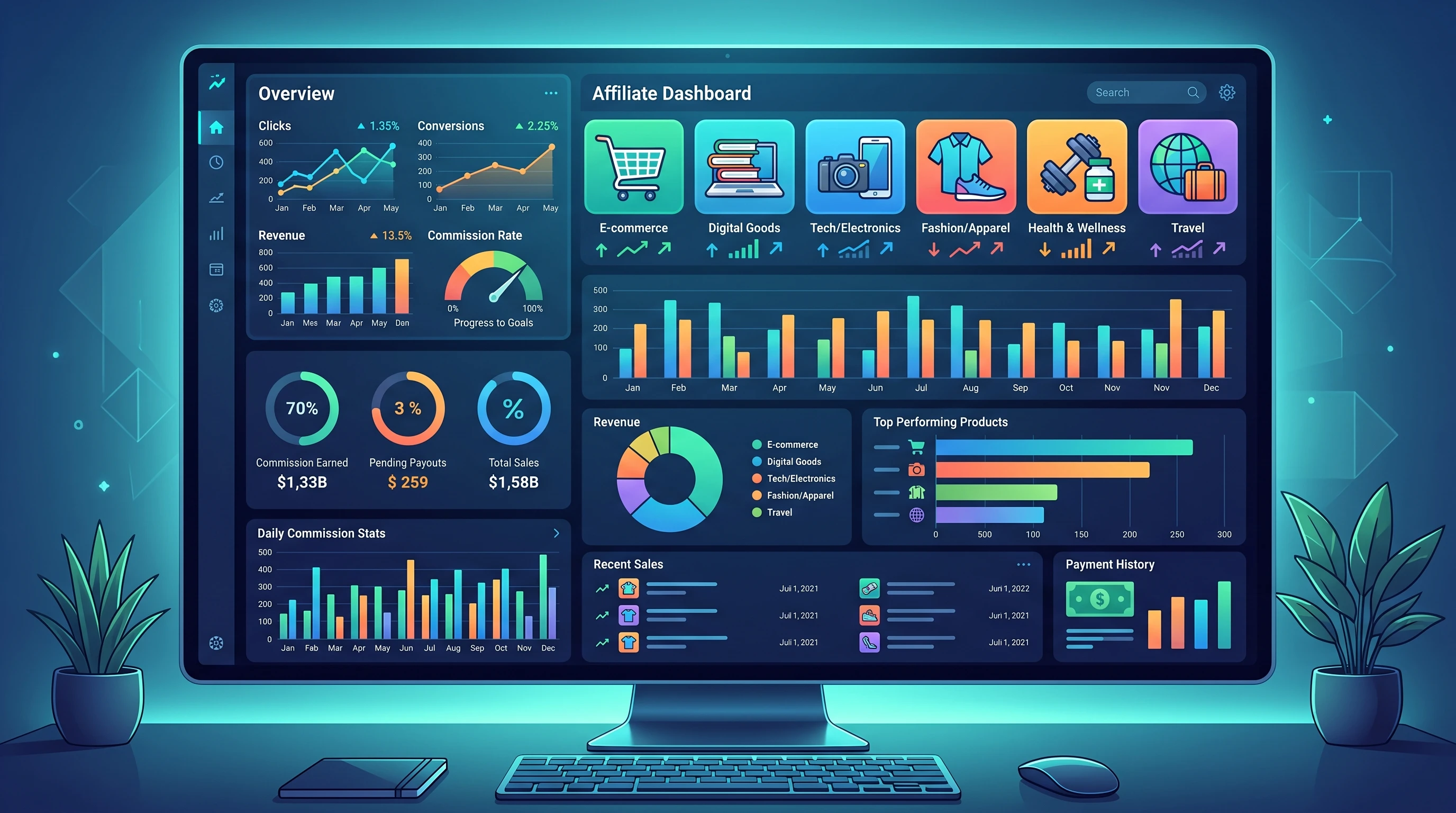
Affiliate marketing programs create a partnership between a brand or business (the merchant) and a marketer (that’s you or me, usually called the affiliate). The main goal is to promote the merchant’s products or services and get paid a commission on every sale, click, or lead generated through your unique link. There are tons of affiliate programs in all kinds of niches, covering anything from electronics and home goods to finance, wellness, SaaS tools, and even obscure hobbies.
Some of the best-known affiliate networks include Amazon Associates, ShareASale, CJ Affiliate, and Impact. These networks offer access to lots of brands, but you’ll also find direct affiliate programs run by individual companies. Understanding how each one works can help you narrow down options that are the right fit for your style, goals, and audience. Even within the same niche, you might stumble upon programs with different commission structures and promotional resources, so it’s worth checking out several.
What Makes an Affiliate Program a Good Fit?
Choosing an affiliate program isn’t just about finding the highest commissions or the biggest brands. There are quite a few things to consider, especially if you want consistent payouts and a solid experience. Here are some things I always recommend looking at:
- Reputable Brands: Promoting products or services that people actually trust makes conversions a lot more likely, and it helps your own reputation too.
- Commission Rates: This is the percentage or dollar amount you’ll earn per sale or action. Rates can range from a few percent for physical goods (like Amazon) to 30% or more on digital products or subscription services.
- Cookie Duration: This is how long after someone clicks your link you’ll get credit for their purchase. Longer cookie durations usually mean better chances of earning commissions.
- Payout Minimums and Methods: Some programs have low payment thresholds, making it easier to get paid fast. Check whether they use PayPal, direct deposit, or other payout systems that work in your country.
- Support and Resources: Good affiliate programs offer marketing materials, dashboards, and helpful support teams. This can make a pretty big difference, especially when you’re getting started or if you hit a snag in your promotions.
- Product Fit: Promoting something you believe in or know about is way easier and more authentic than trying to sell something you don’t care about.
It’s also a good idea to check for things like program rules, payment schedules, and whether there are any restrictions on how or where you can promote links. Some don’t allow PPC ads, social media, or email lists, while others provide more creative freedom. Always review these guidelines before signing up.
Common Affiliate Program Types: What are Your Options?
Affiliate programs have all kinds of structures. Some are huge networks, while others run directly through a brand. Here are the main types you might come across:
- Traditional Affiliate Networks: Networks like ShareASale and CJ Affiliate make it super easy to browse multiple brands in one place. If you’re not sure what niche you want yet, these are worth checking out, as you can experiment with different offers before focusing your efforts.
- Direct Affiliate Programs: Some brands like Bluehost, ConvertKit, or Nike run their own programs outside of affiliate networks. These sometimes offer unique perks or higher commissions, and you might get better access to exclusive deals or dedicated account support.
- High Ticket Programs: These center around expensive products or services, so each sale can make a pretty big impact on your earnings. Examples include SaaS tools, real estate, or travel packages. You generally need strong selling skills or high-quality traffic to get results here.
- Recurring Commission Programs: Subscription-based or membership services usually pay out commissions every month as long as your referral keeps using the service. These can build up reliable income over time and are ideal for long-term growth.
Your best bet is usually finding an affiliate program that fits your audience and your content style. For example, if you write about tech, software affiliate programs are probably a natural fit. And if you’re in the health space, wellness or supplement programs might be more relevant, helping your content resonate better with your followers.
Factors to Weigh Before Signing Up
Before getting started with any affiliate program, it’s smart to ask a few key questions. These can prevent a lot of headaches and help you focus your energy where it matters:
- Does the program fit my audience? If your followers expect beauty content, it’s a lot easier to promote makeup or skincare than, say, pet insurance.
- How reliable is the tracking? Good tracking ensures every qualifying sale is correctly attributed to you. Glitches can mean lost commissions and wasted effort.
- Are payments on time and easy to withdraw? Look for reviews from other affiliates or payout terms on the official website. Consistent payments are really important, especially if you rely on affiliate income for your business or side hustle.
- Are promotional materials provided? Banners, text links, product images, and swipe files can seriously streamline your promotions and save time.
- Is there any support or account management? Being able to reach a real person is super useful if you ever get stuck, need advice, or want to ask about custom deals down the line. Having access to a contact person can make a big difference.
One more thing to think about: some affiliate programs offer exclusive bonuses for top performers, like increased commissions or extra rewards. If you’re aiming for serious results, these extras can give your income a real boost and make a program even more attractive.
My Step-by-Step Guide to Picking Affiliate Programs
- Define Your Niche and Audience: Figure out who you want to reach and what products or services make sense for them. This helps avoid promoting irrelevant stuff and keeps your content focused.
- Research Affiliate Opportunities: Browse top affiliate networks, check your competitors, or search “[your niche] + affiliate program.” This can help you track down hidden gems that others might miss.
- Compare Commission Structures: High rates are great, but sometimes lower paying products are way easier to sell, generating better results over time. Always weigh out the potential volume versus payout size.
- Check Program Reviews: Real experiences from other affiliates can reveal a lot about support, payment reliability, or tracking glitches. Forums like Reddit or certain Facebook groups are pretty good places to look.
- Test Drive Where Possible: Join and try more than one affiliate program. See which dashboard and system works best for you before fully committing, and don’t be afraid to mix things up if your first choice doesn’t pan out.
- Read Rules and Policies: Some programs have tough restrictions or approval processes, so read the fine print if you want to avoid issues. If anything is confusing, reach out to affiliate support. Most are happy to answer questions.
Being methodical and keeping track of your experiences with different programs helps you focus on the ones that work best for your needs. This approach lets you build a stable income source instead of jumping around every time you see a high commission.
Affiliate Program FAQs: Your Questions Answered
I’ve collected the most common questions I get from readers and fellow affiliate marketers. Chances are, if you’re new to this, you’re probably wondering the same things.
Q: How do I know if an affiliate program is legit?
A: Look for programs with a clear contact point, detailed payment info, and a track record (search for independent reviews). Avoid offers that ask for upfront application fees or seem sketchy about how you’ll be tracked or paid.
Q: What’s a good commission rate to look for?
A: Anything above 5% for physical goods is pretty standard, but some categories (like digital products or software) can go well above 20%. Consider both the rate and the average product price. Sometimes low commission, high volume products are easier to actually earn with.
Q: Can I join more than one affiliate program at the same time?
A: Definitely! Most affiliates work with a mix of programs. Just make sure the programs don’t have rules against promoting similar products for competitors. When in doubt, check their terms.
Q: How are affiliate sales tracked?
A: Sales are usually tracked with cookies or unique links provided by the program. Most programs use third-party tracking technology, which helps make sure you get credit for your referrals. Always double-check your stats and earnings in your dashboard for peace of mind.
Q: Is it better to use a network or a direct program?
A: Networks are great for access and managing multiple brands in one spot, but direct programs sometimes pay more or have better resources. I usually recommend trying both to see what suits your workflow and goals. Mixing both can lead to a more balanced affiliate business.
Q: Do I need a website to join affiliate programs?
A: Most programs prefer it, but some accept YouTube channels, Instagram, TikTok, or email lists as well. Having a website is a smart move if you’re serious about long-term income, since it gives you more control over your content and audience. Owning your own platform means you aren’t limited by someone else’s rules, and you can collect valuable data.
Extra Tips for Affiliate Program Success
Consistency and authenticity really matter in affiliate marketing. Share your true thoughts, be transparent about your relationships, and focus on helping your audience find what’s actually good for them. Good affiliate partners usually stick around as long as you’re driving honest sales and building real trust.
- Test products yourself whenever you can. Personal stories or reviews help you stand out from affiliates who just copy and paste product info.
- Track your links and earnings so you know what works best and where to spend your energy. Use analytics tools or tracking software for even more insights.
- Stay on top of promotions, new product launches, or changes to the terms. This way, you never miss out on short-term bonus rates or special offers. Many programs send out newsletters or alerts, so pay attention.
- Focus on building trust with your readers or viewers; repeat clicks and sales are way more likely if people value your opinion. If you focus on helping rather than just selling, your reputation (and earnings) will both get a boost.
- Keep learning from other affiliates. Join groups or forums, attend webinars, or read affiliate marketing blogs to keep picking up new tricks and staying sharp. The more you learn, the better you’ll get at matching the right offers to your unique audience.
Over time, your experience with different affiliate programs will help you spot which kinds of offers and brands convert best for your unique style and audience. This steady approach beats hopping between random flashy launches every single time, making your affiliate marketing adventure a lot more rewarding.