
Creating a memorable brand identity is one of the most exciting parts of building a business. Building an identity that sticks doesn’t have to be reserved for big companies with massive budgets; even small businesses can stand out with the right approach. I’m sharing this guide to help you figure out the essentials you really need to craft a unique brand identity that feels personal, consistent, and recognizable to your audience.
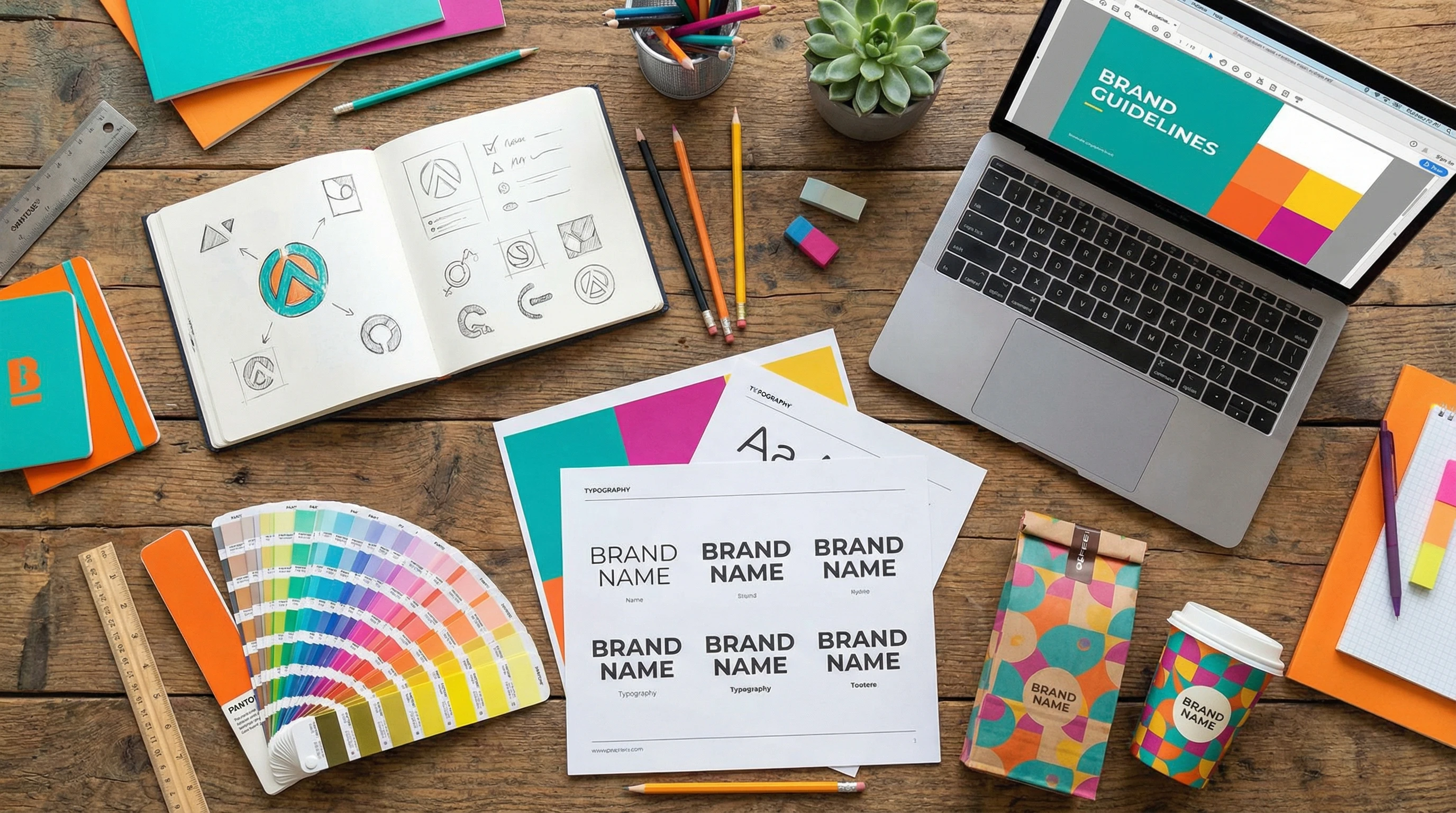
Understanding Brand Identity and Why It Matters
Brand identity is the visual and emotional impression your business leaves on people. It goes way beyond your company name or logo. Everything from your color scheme and fonts to the vibe of your messaging plays a role. When people see or hear about your business, you want them to feel something specific and remember you. That’s what a well-crafted brand identity can do for you.
Consistent branding creates trust and helps you stand out in a crowded market. Companies like Apple, Nike, and Starbucks are instantly recognizable, not because of their products alone, but because of the way their brands look and feel across all customer touchpoints.
Research from Forbes shows that consistent use of brand elements across marketing channels can increase revenue by up to 23%. So, putting some real thought into how your brand comes across is not just a good idea; it’s pretty smart business, too.
Key Elements of a Unique Brand Identity
Your brand identity is built from a mix of visual and nonvisual elements. Here are the most important pieces I always recommend paying attention to if you want your brand to pop:
- Logo: This is often the very first thing people recognize. It’s worth taking the time to design a logo that’s simple, versatile, and closely linked to your brand values.
- Color Palette: The colors you choose affect emotions and help people file your brand away in their minds. It’s a good idea to keep it simple: 1-2 primary colors and a couple of accent shades usually work best.
- Typography: Fonts have personality! Choose a set of typefaces that work for headlines, body copy, and digital platforms.
- Imagery & Style: This covers everything from photography style to icons, illustrations, and patterns. Keeping these consistent adds personality and polish.
- Voice & Messaging: The tone in your emails, website, or social posts should sound human and reflect your overall brand vibe. Whether it’s playful, authoritative, or quirky, stick to it so people know what to expect from you.
Getting Started: Steps to Build Your Brand Identity
Creating an awesome brand identity doesn’t need to be overwhelming if you go step by step. Here’s a straightforward process I follow:
- Define Your Brand’s Core: Figure out what your business stands for. What are your values? What makes you different from everyone else? Who are you really trying to reach?
- Check the Competition: Scope out what other brands in your space are doing. This gives you a sense of what’s common in the market and what could help you stand out.
- Design Your Visuals: Nail down your logo, color palette, and fonts first. Once you’ve figured those out, the rest of your visuals will be a lot easier to create.
- Craft Your Brand Voice: Your brand’s personality should flow naturally. If you’re casual and friendly, your messaging should sound that way in everything from your website to your customer support emails.
- Build Brand Guidelines: Pull together all your colors, logos, fonts, writing style, and design rules into a document. This helps everyone in your business keep things consistent, whether you’re working with a designer or writing Instagram captions yourself.
Your brand identity should reflect what makes your business unique—don’t be afraid to showcase your story and the values you believe in. Think about incorporating aspects of your background or mission that resonate with your target audience, making your brand even more relatable and memorable to your customers.
What to Watch Out for When Shaping Your Brand Identity
Branding can feel like juggling a lot of details, and there are a few things that commonly trip people up:
- Overcomplicating the Visuals: Simplicity often works better than you think. Too many fonts, colors, or graphics can confuse people and water down your message.
- Ignoring Consistency: Flipping between different styles, tones, or color schemes across channels makes it harder for customers to remember your brand. It’s worth sticking to a consistent look and sound everywhere.
- Skipping Customer Research: Forgetting to ask your audience for feedback can leave you with branding that doesn’t connect. I always try low-cost surveys, polls, or even quick chats with potential customers to see how they react to logo drafts or taglines.
- Not Adapting with Growth: As your business grows or switches up direction, your brand identity might need a few tweaks. Keeping your visuals and messaging aligned with where your business is headed helps you stay fresh and relevant.
How to Keep It Simple Without Being Boring
Simplicity can be stylish and smart. A clean design and uncluttered messaging are easier for people to remember. A unique twist, like a pop of color nobody else uses or a brand voice that’s a bit quirky, can make even simple branding feel fresh. It’s about finding small ways to show what makes you different.
Extra Tips to Make Your Brand Identity Stick
Creating a brand that people remember takes more than picking nice colors or a cool font. Here are some tricks I’ve used that actually work in real life:
Use Your Brand Everywhere
Your logo, fonts, and colors should live on your website, business cards, packaging, social profiles, email signatures—basically, anywhere a customer might see you. The more places people spot your colors and vibe, the more likely they are to remember you down the road.
Collect Feedback Often
Get honest thoughts from customers, employees, and friends. If people are confused or not connecting, it’s a sign you may need to tweak your messaging or design. Fresh eyes are super useful for catching things you might not notice.
Keep Your Brand Guide Updated
If you expand your product line or tweak your offerings, update your brand style guide so everything stays consistent. This helps your team and any partners or freelancers you work with make things look and sound on-brand.
Create Templates for Everything
Email newsletters, Instagram posts, invoices, PowerPoints—templates keep everything tidy and consistent, saving you time and giving a polished edge.
Tell Your Story Authentically
Your brand identity should feel like an honest reflection of who you are as a business. When you share stories about your beginnings, your mission, or why you do what you do, people connect with your brand on a deeper level. This makes your brand more relatable, helping you stick in the minds of customers who appreciate authenticity and realness in business.
Common Questions About Brand Identity
Here are questions I hear from business owners all the time, along with my take on them:
How do I pick brand colors that actually work?
Start with 2-3 core colors that you genuinely like and that feel right for your audience. Color psychology can be helpful, but don’t let it box you in. Tools like Coolors.co make it easy to generate matching palettes, and you can look at other brands in your space for inspiration (just make sure you’re not copying anyone directly).
Do I need a professionally designed logo?
If you have the budget, working with a pro usually leads to better results. But if you’re just starting out, online tools like Canva or Looka are great for getting something simple up and running right away. Swap it out later as you grow if you need to.
Can I change my brand identity later?
Absolutely! Brands grow and change just like people do. Small tweaks along the way help keep your identity current. Just remember to update everything—your website, products, and social handles—so you’re not confusing customers.
Real-World Examples of Brand Identity in Action
Brand identity isn’t just about logos. Here are a few relatable situations where a strong brand identity comes into play:
- Food Trucks: Ever noticed how some food trucks stand out with bold colors, fun names, and clever slogans? That’s intentional branding, helping them draw a crowd even on a busy street.
- Local Coffee Shops: When you walk into a local café and everything matches—from the takeaway cups to the wall art—you remember that place. That’s consistent brand identity at work.
- Online Boutiques: Small shops that ship products with branded tissue paper, thank you notes, or stickers create an experience that makes shopping memorable and sharable (hello, Instagram!).
Keeping visuals, language, and experience aligned with your brand vision is the key to becoming memorable in a crowded world. No magic needed, just a clear plan and a commitment to staying true to what your business stands for. If you’re looking to dig into more brand identity inspiration, check out resources from established creative agencies or brand-focused blogs—stumbling upon success stories from others can help you brainstorm for your own brand. Remember, your brand identity is always a work in progress, so keep testing, learning, and letting your story shine!