
If you’ve ever scrolled past an ad and barely given it a second thought, you know how easy it is for bland copy to get ignored. Great ad copy doesn’t just fill space—it actually grabs your attention, holds it, and nudges you to take action. Writing copy that converts is all about connecting, persuading, and making someone want to click that button or pick up the phone. Here’s a hands-on look at how I create ad copy that people actually respond to.
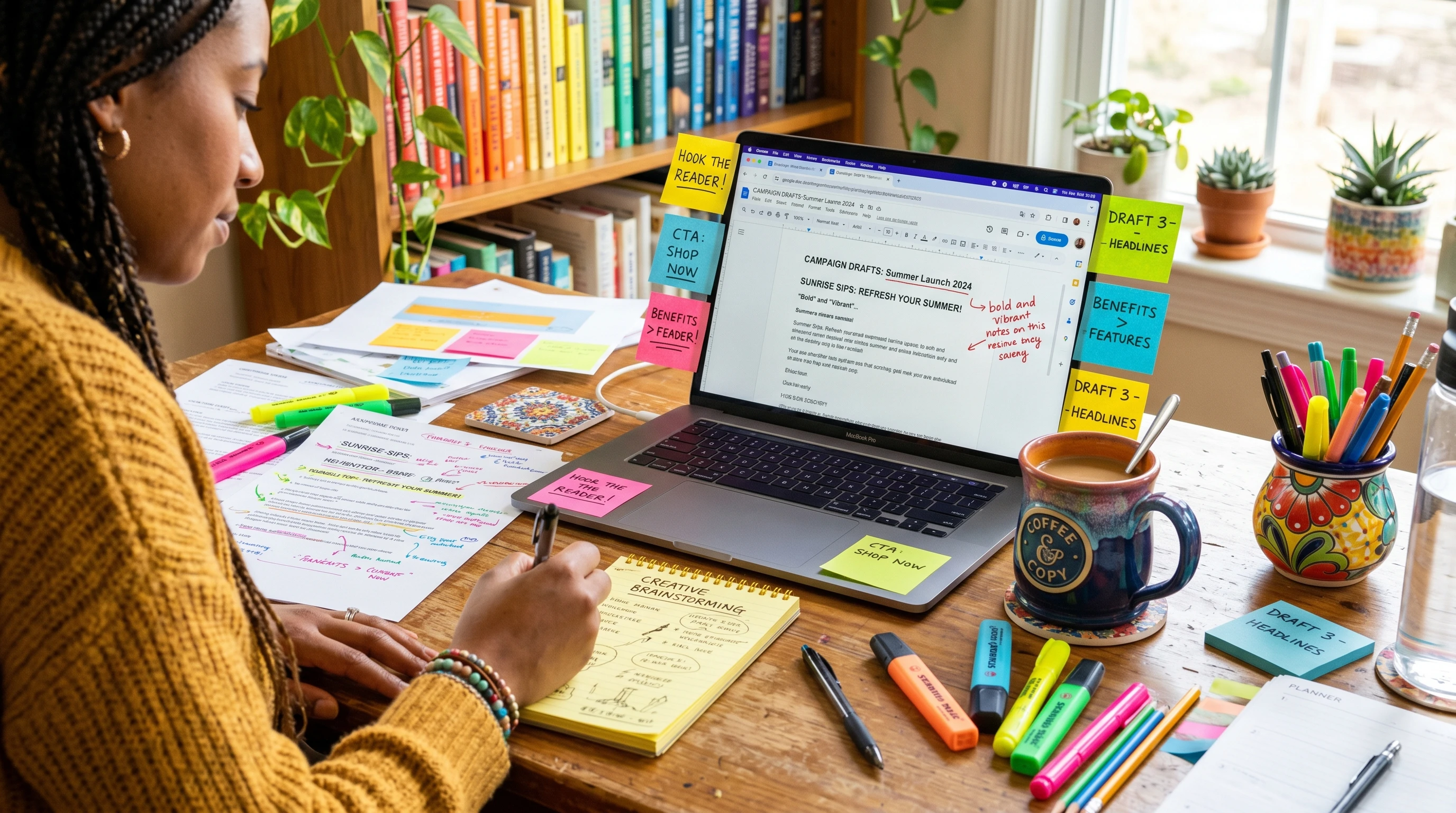
Why Quality Ad Copy Matters for Conversions
Ad copy does more than describe your product. It’s your chance to make a solid first impression. If you’re hoping for more clicks or sales, it pays to focus on how your words sound to someone who’s never heard of you before. Well-crafted ad copy cuts through the noise and speaks directly to your audience, making them feel seen and understood.
Digital ad spending now racks up over $600 billion annually worldwide (according to Statista), so there’s loads of competition. The difference between an ad that works and one that gets skipped could be a few well-chosen phrases and a clear call to action. Dollar for dollar, nothing impacts your click-through rates quite like the words you choose.
Even a small improvement in conversion rate by tweaking your copy can stretch your ad budget a lot further. So, crafting compelling messages isn’t just a creative task. It’s also a smart business move.
The Basics: What Makes Ad Copy Work
Before jumping in, it’s helpful to know the key ingredients in high-converting ad copy. These are the areas I always focus on, no matter what kind of ad I’m writing:
- Clarity: If your offer isn’t clear in the first sentence or two, it’s likely to get ignored. I stick to direct, readable language that communicates instantly.
- Benefits, Not Just Features: Instead of listing specs or services, I highlight what’s actually in it for the customer. How will their life improve or become easier?
- Action-Oriented Language: I use strong verbs that invite people to do something, like “Get,” “Try,” “Grab,” or “Start.”
- Relevance: Good ad copy feels personal. I speak to my target audience’s needs or pain points, not just what I think sounds clever.
- Urgency (When Appropriate): If there’s a time-sensitive deal or limited spots, I mention it to nudge quick decisions—but only if it’s true.
Getting Started: How I Approach Writing Ad Copy
I start my copywriting process by figuring out four main things:
- Who am I writing for? Knowing the audience shapes everything from tone to the benefits I highlight. A message for busy parents sounds different than one for software developers.
- What do they actually care about? People click ads when they see something that solves their problem or makes them feel good, not when they’re overloaded with information.
- What action do I want them to take? Am I hoping for a click, a phone call, or a direct purchase? Every line leads toward this goal.
- What platform am I using? Social media ad copy might need to be punchy and playful, while Google search ads stay focused and brief. Email ad copy gives a little more space to build value.
Simple Steps for Writing Ads That Convert
I use a few steps as a framework, especially if I catch myself staring at a blinking cursor:
- Write a punchy headline. This is the first (and sometimes only) line someone will read, so I make it count. I often pose a question (“Tired of High Energy Bills?”) or use a direct benefit (“Get Whiter Teeth in Days”).
- Highlight the core benefit. After the headline, I support it with a quick reason your offer is worth trying. This is where I mention the “what’s in it for me?” in as few words as possible.
- Add proof or credibility. People want to know if it really works. I add a quick testimonial, star rating, years in business, or “as seen on” badge when space allows.
- End with a clear call to action. I never leave people guessing what to do next. I stick to very clear CTAs: “Book Your Free Consultation,” “Shop Now,” or “See Plans.”
Common Challenges (And Practical Fixes)
Even seasoned writers run into blocks or common ad copy pitfalls. Here’s how I handle the usual hurdles:
- Too much jargon or industry lingo: If I can explain it easily to a friend who isn’t in the field, I know it’s good to go. If not, I break it down into simpler language.
- Sounding just like everyone else: I look at a few competitor ads. If my headline could fit their product, I know it needs a tweak to be more unique or personal.
- Focusing on features over benefits: Features tell what something is. Benefits tell why it matters. I rewrite sentences to answer the question, “So what?”
- Not enough specificity: “Save money” is vague; “Cut your grocery bills by $50 this month” is much more compelling. I add real numbers or concrete outcomes when possible.
Getting Past Writer’s Block
Some days, the words just won’t flow. I get around that by starting with a rough draft out loud, pretending I’m telling a friend in the simplest way possible. Sometimes, I’ll jot down a few bullet points first, then build sentences around them. Even writing three versions of the headline to warm up helps.
Testing and Tweaking for Better Results
Even the best ad copy can improve. I always run A/B tests with at least two versions—just changing the headline or call to action. Platforms like Google Ads and Facebook Ads Manager make it simple to see which version actually brings in more clicks or sales.
Tweaking isn’t a one-time thing. I check performance every week or two and swap out underperforming lines. Sometimes a tiny phrasing change is all it takes to move the needle. Regularly reviewing analytics also helps spot trends early so you can optimize faster. Remember, data-driven decisions help take your copy up a notch over time.
Quick Ad Copy Formulas I Use All the Time
- PAS (Problem, Agitate, Solution): State the problem, make it feel urgent, then show your offer as the fix.
Example: “Struggling to find qualified leads? Losing time and money every week? Our automated platform fills your pipeline, hands-free.” - AIDA (Attention, Interest, Desire, Action): Grab attention, spark curiosity, build up desire, and push action.
Example: “Fed up with slow Wi-Fi? Upgrade today for lightningfast speeds; the first month is free!” - Testimonial Lead: Start with a customer quote for instant trust.
Example: “’I saved $300 on energy in just two months.’ Switch now and start saving today.”
Extra Tips for Writing Winning Ad Copy
- Use active voice. It sounds more direct and confident.
- Avoid ambiguity. Every word should serve a purpose. Remove anything that could mean two things or doesn’t add value.
- Stick to one main goal. Ads should focus on a single offer or outcome, not a laundry list of options.
- Be authentic. Overhyped or exaggerated promises turn people off fast. Honesty and a conversational tone win trust.
- Expand your inspiration. Don’t just look to your industry for ideas. Check out ads from other fields for fresh takes on headlines and persuasive techniques.
Examples Across Different Platforms
Google Search Ads:
- Headline: Affordable Dog Training Near You
- Description: Get fast results with certified trainers. Book your free session today!
Facebook/Instagram Ad:
- Image: Happy, playful dog in training class
- Copy: Ready for a wellbehaved pup? Our trainers get tails wagging; results you can see. See more!
Banner Ad:
- Headline: Streamline Your Taxes
- Subheadline: File online, save time. IRS Approved. Get started now!
Frequently Asked Questions About Ad Copywriting
How long should ad copy be?
The length depends on where it’s being used. Search ads thrive on short, punchy copy (often under 150 characters), while display ads and emails give a bit more space. I focus on getting the key message across fast, regardless of platform.
What’s the best way to make my ad feel personal?
I use language that addresses the reader directly (“you”) and speaks to a specific challenge or desire they have. Personalization also comes from referencing local info or special interests. If you know what matters to your audience, those little details make your ad copy stand out.
Can I reuse copy across different platforms?
Sometimes! I often adapt my bestperforming headlines and tweak them for each platform. What works on Instagram might need to be trimmed and focused for search ads, but the core message can stick around. Even so, always review your copy for platform-specific requirements for best results.
Starting Your Next Ad Copy Project
Great ad copy isn’t just clever. It’s focused, benefitdriven, and tuned into your audience’s mindset. Whether you’re pushing a big seasonal sale or launching something brand new, putting in the extra effort on your words pays off in real results. Pay attention to what your audience actually wants and keep your message crystal clear. That’s how you get more eyes, more clicks, and more happy customers. Spend time with real examples, keep learning from your results, and watch your ad copy skill grow fast.