
Affiliate marketing gives creators and entrepreneurs a way to earn money by connecting people to products and services. It works pretty much like being the middle person. When someone uses your unique link to buy something, you land a commission. It’s a popular way to score passive income, especially if you’ve built an audience or set up a website. Here’s a look at how affiliate marketers actually make money, and how beginners can get the basics down pat.
What Is Affiliate Marketing Revenue?
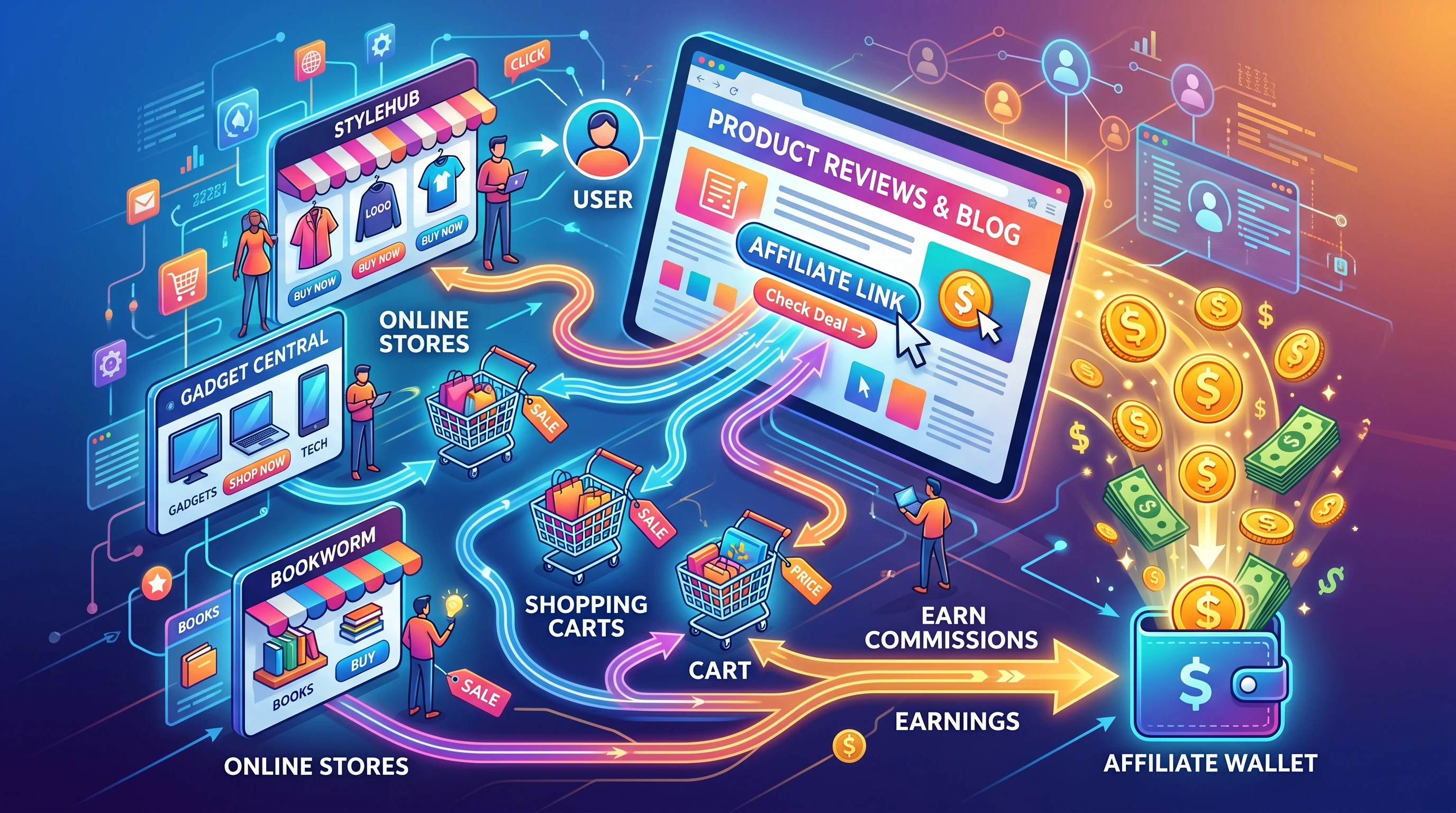
Affiliate marketing revenue is the cash you bring in by promoting products or services with special tracking links (affiliate links). When someone clicks that link and wraps up a purchase (or completes some other action, depending on the program), you collect a commission. Companies like Amazon, Shopify, and countless others have affiliate programs; anyone who signs up and is accepted can start promoting and earning.
Most folks picture bloggers or YouTubers when the topic of affiliate marketing comes up, but plenty of niche site owners, TikTok creators, newsletter writers, and enthusiastic social media influencers are cashing in. In 2023, affiliate marketing was a multibilliondollar industry, so it’s definitely not just a small-time side hustle anymore.
Different programs pay different ways. Some pay per sale, some pay per lead (like when someone fills out a form), and others even pay for simple clicks. Payouts can range from a handful of cents to hundreds of dollars, depending on what you’re promoting and the partner program’s commission rates.
How Affiliate Marketers Actually Get Paid
Affiliate marketers have a few main ways to get paid. Here are the most common approaches:
- Pay Per Sale (PPS): You earn a commission every time someone makes a purchase after using your link. This is the most popular payment structure.
- Pay Per Click (PPC): You pocket a little cash just for getting someone to click a link, even if they don’t buy anything. These payouts tend to be smaller per click, but high traffic can add up over time.
- Pay Per Lead (PPL): You earn a set amount when someone submits their info (like signing up for a newsletter or a free trial) through your affiliate link. This is a common one with software, insurance, and financial products.
- Recurring Commissions: Rather than getting paid just once, you keep earning as long as the customer stays subscribed. These turn up a lot in SaaS (Software as a Service) programs.
Companies track who gets credit for a sale using cookies and affiliate tracking software. Some programs have short cookie durations, so if a shopper doesn’t buy pretty quickly, you won’t get credit for the sale—even if your link introduced them in the first place. Always double-check the fine print before you sign up for a program.
How Do Affiliate Marketers Choose What to Promote?
Choosing the right products or services is crucial for making money. Seasoned affiliate marketers look for these key things:
- Products they honestly like or use themselves
- Offers closely linked to their audience’s interests or their website topic
- Programs with solid, reliable payout structures and fair commissions
- Items with longer cookie durations (more time to get credit for a sale)
- Brands with a good reputation and an easy checkout experience
If you promote shady or useless products, you might make a little up front, but it can ruin your reputation fast. The best affiliates play the long game and build trust by focusing on what helps their audience, not just what pays the most.
Quick Guide: How to Start Making Money as an Affiliate Marketer
Affiliate marketing can feel intimidating at first, but these action steps can help you start on solid ground:
- Pick a Niche: Focus on a topic you dig and know something about, such as fitness, tech gadgets, hobbies, or finance. A single niche makes content creation easier and helps you build credibility.
- Find Affiliate Programs: Sign up for programs that fit your chosen niche. Popular platforms include Amazon Associates, ShareASale, CJ Affiliate, or you can go straight to brand websites to look for partnership options.
- Build a Website or Create Content: Most affiliates start a blog, a niche site, or use a YouTube channel, Instagram, or TikTok. Pick a platform that lets you naturally drop in affiliate links.
- Place Affiliate Links Naturally: Don’t spam your links everywhere; instead, include them in helpful product reviews, how-tos, listicles, or detailed guides.
- Grow Your Audience: Use SEO basics, social platforms, and maybe even some paid ads to bring more visitors to your pages. The more targeted traffic you build, the better your odds for clicks and commissions.
Consistency and real patience are assets here. Most beginners won’t make much right away, but as you create more content and steadily nurture your platform, earnings keep pace and eventually climb.
Challenges Beginners Face in Affiliate Marketing
Getting started in affiliate marketing comes with a few speed bumps. Here are the usual suspects and how you can deal with them:
- Getting Traffic: Without readers or viewers, you won’t get affiliate link clicks. Focus on building search-friendly content using SEO and share it smartly on social media.
- Building Trust: If you promote products you don’t care about, trust falls off a cliff. Stick to honest recommendations and share personal opinions where you can.
- Understanding Program Rules: Each affiliate program sets its own rules—some restrict promotion channels, and not following the rules can get you banned.
- Managing Changing Payouts: Programs sometimes switch up their rates or terms, so reviewing your approach regularly helps keep your strategy on course.
- Learning the Tech: Setting up websites, adding tracking codes, or linking to affiliate dashboards might require learning a few tech basics, but there are tons of guides to help you figure it out.
All these challenges are manageable. There are free and paid resources, online communities, and tutorials to help you up your skills and dodge beginner mistakes. Peer forums are especially helpful for newcomers to swap tips, get feedback, and share what’s working in real time.
Traffic Generation
Traffic is the driving force behind affiliate income. Building it takes time, but search-friendly content, getting your posts shared on social media, and even starting an email newsletter can create momentum. Well-written content that answers real questions or solves audience problems builds trust and gets more interested readers clicking on your links.
Transparency
The FTC expects you to disclose your affiliate links. Writing a quick, simple disclosure like “I may earn a commission if you purchase through these links” keeps you compliant, and being upfront always builds more loyalty with your readers or followers.
Advanced Affiliate Marketing Tips and Strategies
Once your foundation is set, bringing your affiliate marketing up a notch pays off. These are strategies experienced affiliates often use:
Focus on ValueDriven Content: Eye-catching, super detailed reviews, comparisons, tutorials, and “best of” lists usually convert better than shorter, generic posts or random roundups.
Test Multiple Programs: Different programs sometimes offer better payouts or products more suited to your audience. Don’t be afraid to test and swap partners as your experience grows.
Use Analytics: Tracking which posts, videos, or platforms drive real traffic and affiliate clicks lets you double down on the top performers and switch up anything falling flat.
Start an Email List: Collecting reader or viewer emails helps build relationships, follow up with extra offers, and brings more consistency to your earnings.
Explore Recurring Offers: Subscriptions, SaaS, or membership products can bring in ongoing monthly commissions for steady, repeatable income streams.
Affiliate Marketing Tools Worth Checking Out
The right tools can keep your affiliate business organized. Here are some favorites for most marketers:
- Link Management Plugins: Tools like Pretty Links or ThirstyAffiliates help keep links easy to organize and update.
- Analytics Platforms: Google Analytics and affiliate dashboards let you track clicks and conversions, so you can see what content is winning.
- Email Service Providers: Platforms like MailerLite or ConvertKit help you reach subscribers, set up email drips, and announce offers naturally to your base.
Tech changes fast, so making a habit of checking for new tools or updated features helps as your affiliate efforts get bigger. Keeping up with current trends and software boosts both efficiency and results in the long run.
Common Affiliate Marketing Questions
These are common questions, especially from beginners:
How long does it take to make real money?
Some affiliates get paid within weeks, but for most, a solid income takes months or longer of steady effort. Patience and creating high-value content pay bigger dividends over time than rushing for quick hits.
Can I be an affiliate without a website?
Definitely. Social media, YouTube, and email lists are all options. Some programs require a site, but many are open to other platforms too.
How often do you get paid?
That depends on the affiliate program. Some pay out monthly, others biweekly, and most have a minimum payout threshold you have to reach first. Always check the payment terms so you aren’t caught off guard.
Are there any upfront costs?
You can start with no money by sharing links on social media, but owning your own site does mean paying for a domain and hosting. Paid traffic and some fancy tools cost more, but a shoestring approach works just fine at first.
Is Affiliate Marketing Legit? (And Can You Really Make Money?)
Affiliate marketing is a legit business model with buy-in from big brands all over the globe. Just remember, it isn’t a shortcut to instant riches. Success goes to people who stick it out, stay honest, and only promote stuff they actually stand beside. With some patience, willingness to learn, and a helpful mindset, there’s plenty of opportunity for folks ready to work.