
Rebranding a business can feel like a big project, but it’s something that can reboot your identity and connect better with your audience. Whether you’re dealing with an evolving market or your business has outgrown its old look, there’s always a good reason to look at how you present yourself. I’m sharing some practical tips and personal takes on when and how to reinvent your brand, so you can figure out if it’s the right move for you.
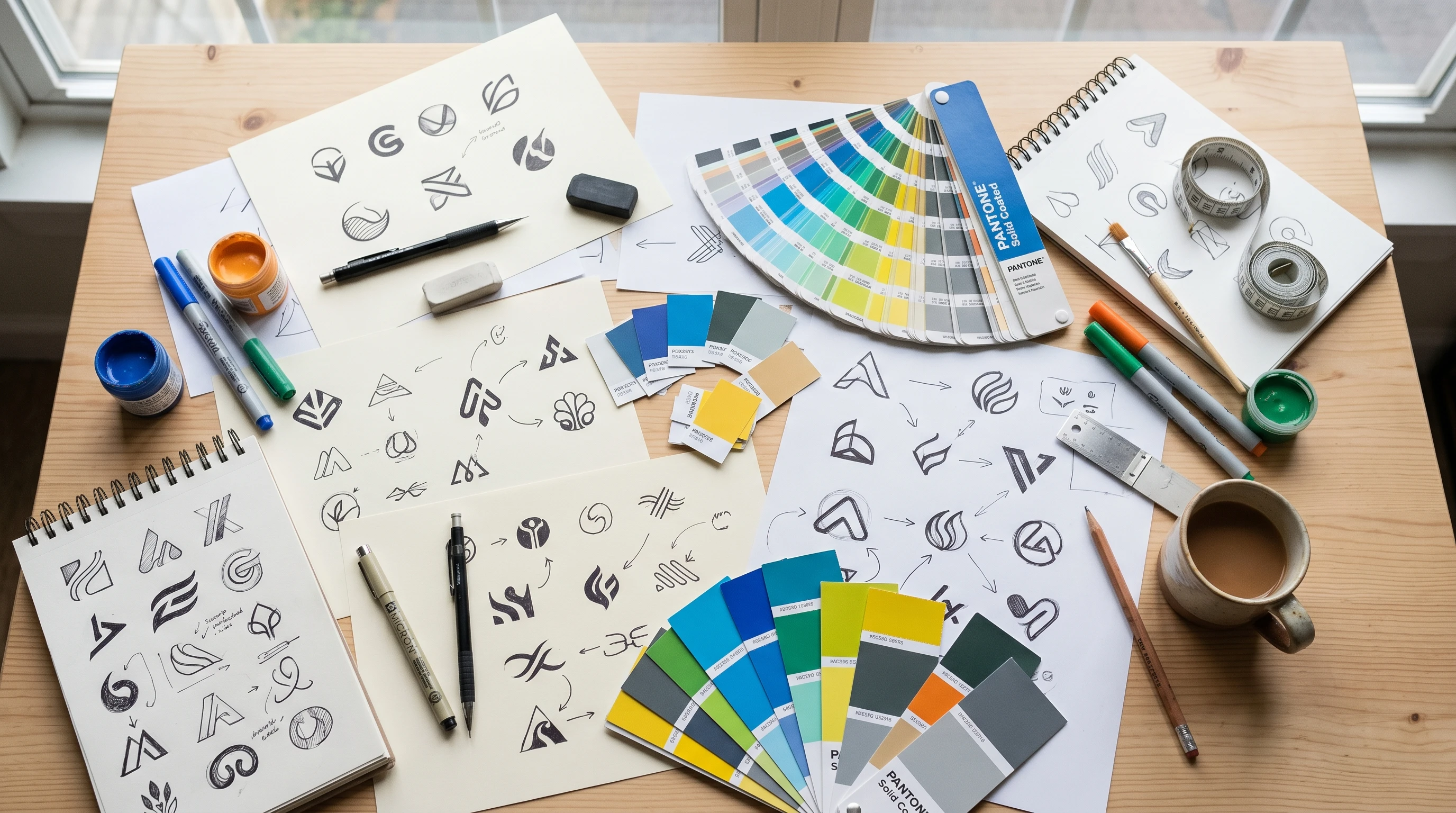
Why Rebranding Matters for Your Business
Rebranding isn’t only about getting a shiny new logo or picking out new colors. It’s a chance to freshen up your company’s whole vibe so your message really clicks with your customers. Maybe your market’s switched up, you’ve added new services, or you’re just trying to stay competitive. Rebranding can help you capture attention, shake up customer perception, and make your business feel new again.
The branding game has switched up because customer tastes and tech are always evolving. According to some recent surveys, over 50% of small businesses have considered making some changes to their brands in the last few years. This shows just how common it is, not just for big names but also for neighborhood shops or growing startups. It’s part of staying current and bringing in new energy.
Take Netflix as an example. What started out as a mail order DVD service is now a streaming giant, largely because it kept its brand in tune with what people wanted. That’s the power of smart rebranding. They didn’t just update their visuals—they really changed how people viewed entertainment at home, showing how a big switch can help brands stay relevant while keeping their core mission alive.
How to Spot When It’s Time to Rebrand
There are a few classic signals that let you know your brand could use a reboot. Through my own experience working with businesses and chatting with entrepreneurs, these are the most common signs:
- Your Vision or Products Changed: If you’re offering different services or your mission’s evolved, your brand should say that loud and clear.
- You’re Not Attracting the Right Audience: If the people you’re reaching aren’t the ones you really want, your brand might be sending mixed signals.
- Your Branding Feels Outdated: Styles and trends switch quickly. If things look stuck in the past, it might be hurting your image.
- There’s New Competition: If new brands are popping up and looking sharper or more modern, updating your brand shows you’re still a major player.
- Mergers or Acquisitions: If you’ve teamed up with another business, rebranding can help unify the new company culture and market presence.
Rebranding used to be something only big companies did, but now it’s pretty common for any business looking to stay relevant. Even local shops are seeing the value of a new look, especially as more customers are shopping online and comparing choices at a glance.
Planning Your Rebrand: What to Consider First
Before you jump into a rebrand, it’s super important to have a clear plan. Here are a few things I always suggest thinking about upfront:
- Know Your Goals: Figure out what you want the rebrand to achieve. Are you after more customers, a new reputation, or something else?
- Budget and Resources: Rebranding costs vary a lot, from simple logo tweaks to messaging and website overhauls. Knowing your budget up front saves a lot of headaches later on.
- Current Brand Audit: Take a close look at what’s working and what’s not with your brand today. Customer feedback is super useful for spotting what matters and what’s missing the mark.
- Market Research: Check out what your competitors are doing and what’s grabbing your ideal customers right now. A fast scan of the popular trends can keep you from missing out.
- Team and Stakeholder Input: Don’t forget to ask anyone who’s part of your brand—employees, partners, even long-time customers. More perspectives mean fewer surprises later, and more folks championing the change.
Planning ahead makes the whole process go much smoother and helps make sure your new brand really lands with your audience. Get everyone on board from the start so you can handle hiccups together and build excitement internally before making any public changes.
Steps For Rolling Out a Successful Rebrand
Rolling out a rebrand isn’t something that happens overnight. I’ve found that breaking it into steps keeps things organized and avoids overwhelm. Here’s a roadmap to help you steer through the process:
- Define Your New Brand Identity: This includes your core values, mission, and personality. It’s the foundation of your new look, shaping everything else that follows.
- Update Visual Elements: Refresh your logo, color palette, typeface, and other design basics. These changes should feel consistent everywhere, on every platform and in every interaction, digital or physical.
- Revamp Messaging: Update taglines, brand voice, and tone to match where you want to go. Make sure each piece of content, from your website to social media, fits the new direction.
- Test and Get Feedback: Share preview designs or messaging with a small group of customers or employees to catch anything that feels off before launch. Honest opinions early can help avoid bigger problems down the line.
- Update Your Online Presence: Launch the refreshed brand across your website, email templates, social media profiles, and any digital ads you run. Don’t skip updating old blog posts or bios that might have outdated info.
- Offline Brand Touchpoints: Don’t forget business cards, packaging, signage, or any printed materials. Even the smallest detail should carry your new identity.
- Internal Rollout: Make sure your team knows what’s happening and why, giving everyone a chance to ask questions or give feedback. People are more excited to share the new brand when they’re in the loop.
- Public Launch: Announce the change to your audience. Consider a big reveal, an email newsletter, social media posts, or a launch event to get everyone pumped about the new look and feel.
Jumping through these steps in order keeps the project under control and ensures a smooth switch for everyone involved. It also helps make sure you don’t overlook little details that mean a lot to your customers.
Common Challenges When Rebranding (And How To Handle Them)
Rebranding can hit a few bumps along the road. Here are some challenges I’ve seen pop up and a few ways to work around them:
- Customer Confusion: Some loyal customers might be puzzled by sudden changes. A clear announcement about why you rebranded helps get everyone on board and reassures them that you’re still committed to delivering value.
- Missed Details: Overlooking design updates on smaller platforms or forgetting to tweak messaging can cause inconsistency. Think about putting together a checklist so every touchpoint gets attention and nothing gets missed.
- Budget Overruns: It’s easy to underestimate how much time and money a rebrand will take. Keeping a close eye on spending, and getting quotes ahead of time, keeps things on track and avoids unpleasant surprises.
- Internal Resistance: Sometimes, not everyone on your team is excited about change. Involve folks early in the process and spell out the benefits to build support and enthusiasm for the new brand identity.
Every rebrand is unique, but planning for these hurdles ahead of time can save a lot of frustration and keep things moving smoothly.
Customer Perception
The way people see your business might switch during a rebrand. I’ve seen brands lose loyal customers by leaving them out of the loop, but also win people over by keeping messaging clear and welcoming. Keeping communication open, honest, and transparent goes a long way—listening to customer feedback lets folks know you genuinely care about their opinions.
Maintaining Consistency
If you’ve ever spotted an old logo on a business’s packaging after a rebrand, you know it can look sloppy. Double-check things like profile photos, banners, invoices, or even email signatures to make sure nothing slips through the cracks. A thorough sweep across every platform, both digital and physical, will help you keep everything uniform and professional.
Next-Level Rebranding Tips
If you want to make your rebrand even more effective, here are some ideas I’ve picked up over the years that can give your business a real boost:
Dig Into Your Brand Story: Your story is what makes you unique. Use it to build connections through your website, social posts, and presentations.
Why This Works: People relate to stories, not just logos. Sharing your adventure helps win trust and shows there’s real heart behind your company.
Make the Most of Social Proof: Share what your happiest customers are saying and how your new brand is making things better for them.
Why This Works: Reviews and testimonials provide a boost in confidence for people who aren’t sure about the updates. Positive feedback can turn skeptics into fans.
Plan a Rollout Event: Hosting a launch party, virtual or in-person, or even running a branded giveaway can create excitement and bring your brand into the spotlight.
Why This Works: Launch events get people talking and can attract new eyes to your brand. Even a simple event with behind-the-scenes content can draw a crowd online.
I’ve seen brands really connect with their audience through creative rollouts, like offering limited edition products in the new packaging, letting customers vote on a feature, or sharing a look at the process behind the redesign. These moves turn the rollout from just an announcement into a shared moment, one folks remember.
What Basic Elements Should Every Rebrand Include?
Here’s a short list of core elements that pretty much every strong rebrand should touch on:
- Visual Updates: Logo, colors, and design assets that reflect your updated identity. Try to use visuals that match the vibe and direction your company is taking.
- Consistent Messaging: Slogans, mission statements, and social media bios across all channels so your message always rings true, everywhere it appears.
- Website Overhaul: Fresh content and updated design to match your new direction. Customers often interact with your website first, making this a top priority.
- Customer Communication: Announcements, emails, and website banners to let customers know what’s changed and why. Keeping communication open makes the switch far less jarring.
- Internal Tools and Materials: Presentation templates, business cards, training docs, and anything your team uses every day. These updates help your team buy into the new identity and keep everything in sync.
Making changes in each of these areas keeps your new brand identity clear no matter where people find you. When in doubt, pick up every piece of branded material and make sure it matches the new direction.
Frequently Asked Questions
Here are some answers to common questions about rebranding. I hope these help clear up any doubts before you get started.
Question: How often should a business rebrand?
Answer: There’s no set schedule. Some brands go decades without a major change, while others refresh every few years. I’d suggest rebranding when your audience, products, or market focus changes in a way your current brand can’t reflect any longer. Sometimes, a small update can keep things fresh without a total reset.
Question: Is it better to do a total rebrand or just a refresh?
Answer: If your core mission and audience are mostly the same, a brand refresh (like new visuals but the same message) might be enough. But if what you offer or who you serve has switched up, a total rebrand is worth considering. Check your mission statement—if it doesn’t match what you actually do now, it might be time for a clean slate.
Question: Can I rebrand my business myself or should I hire professionals?
Answer: You can handle small changes in-house, but for a full rebrand involving game planning, messaging, and design, bringing in outside help can be super useful. Designers and branding pros bring a fresh perspective and know what works across different platforms, helping you avoid pitfalls. Even if you’re a DIY type, a pro review can put a finishing touch on your new look.
Final Thoughts
Rebranding can be a bold step but also a hugely rewarding one if you take time to plan, involve your team, and keep your customers in the loop. Whether you’re making small tweaks or starting fresh, a strong brand sets you up for lasting success and real connection with your audience.
If you’re thinking about rebranding, this is a good time to take a fresh look at how your business is coming across and where you want to go next. I’ve seen even the smallest updates make a big impact; sometimes a new color palette or cleaner messaging gives your brand fresh life and helps you stand out. Here’s to stepping up your brand game and making your mark!