
Mobile marketing automation is a real game changer for businesses looking to reach people on the go. With most folks glued to their phones, finding smart ways to automate your outreach can make your life a whole lot easier, and way more effective. I’m going to break down the key tools, handy strategies, and major benefits so you can see exactly how mobile marketing automation fits into a growth plan.
Why Mobile Marketing Automation Matters for Growing Businesses
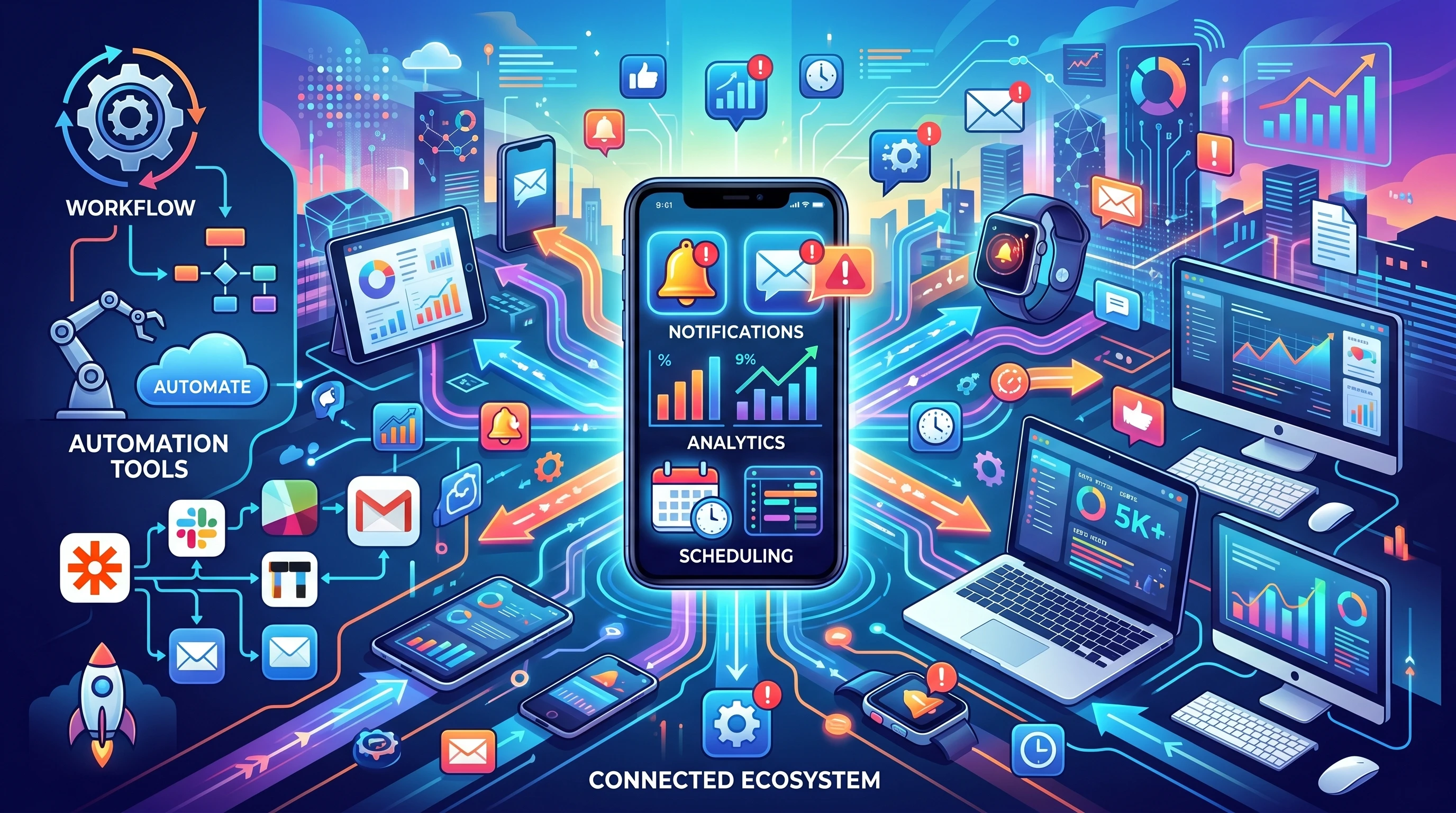
Mobile marketing automation has become a big part of reaching customers quickly and personally, without adding extra headache for marketers. As mobile usage keeps climbing, businesses need tools that can handle complex campaigns across SMS, push notifications, in-app messages, and even email, all without having to tap out every single message manually.
Using automation lets you focus on strategy and creativity instead of day-to-day busywork. According to Statista, there are over 6 billion smartphone users worldwide. Even small improvements in your mobile marketing process can reach a seriously wide audience.
Originally, automating marketing messages was all about basic scheduled texts or emails. Today’s tools use realtime data and personalization, helping businesses keep up with fast changing trends and get better engagement without needing a giant team.
Getting Started With Mobile Marketing Automation
Jumping into mobile marketing automation means understanding some basics up front. Platforms and tools vary, but here are a few must haves, whether you’re running an online shop or a service based business:
- Segmentation: Split your audience into groups based on behaviors, interests, or demographic info so people get messages that actually make sense for them. You might send busy parents a reminder to buy school supplies, but send millennials a flash sale on earbuds.
- Personalized Messaging: Once you’ve got your lists, automation lets you tailor messages with names, recent purchases, or even the weather, helping keep it personal and not robotic.
- Multichannel Campaigns: Good platforms can manage push notifications, inapp messages, SMS, and email in one place to make sure your brand is always where your audience is.
- Analytics and Reporting: Knowing what works is super important, so look for reports on open rates, clicks, and actual sales from each channel.
If you’re just starting, pick one aspect to focus on first, like SMS or push notifications, then branch out and mix in email or inapp messages as your confidence grows. Keeping your goals small and clear will help you build momentum and avoid overwhelm.
Most Useful Mobile Marketing Automation Tools
I’ve had a chance to try quite a few platforms, and several really stand out for being easy to use with solid features. Here are a few you might want to check out (with a quick rundown of what makes each one handy):
- Leanplum: Offers A/B testing, push notifications, and crosschannel messaging. It also lets you change live campaigns based on how people react in the moment.
- Braze: Perfect for brands looking to sync up user data with messaging. Braze supports inapp messages, SMS, push, and more. It’s especially good if you want to use segmentation and automation together.
- MoEngage: Super reliable for broadcasting personalized content, tracking user behavior, and syncing everything into an analytics dashboard.
- OneSignal: Known for fast and straightforward push notifications, with builtin tools for timing, targeting, and segmentation.
- Iterable: Connects email, SMS, and mobile notifications in one spot, and includes helpful templates so you don’t have to create everything from scratch each time you launch a campaign.
Each tool has its own vibe, so it’s a good idea to sign up for free trials and see which dashboard you actually like using. This bit of extra research can save headaches later on. Also, take a look at what kind of support and documentation each tool offers, since learning curves may vary.
Simple Steps to Launch Automated Mobile Campaigns
Here’s a straightforward blueprint I often follow to set up campaigns that actually get results, without feeling spammy or disconnected from what customers want:
- Define the Goal: Know whether you’re trying to drive sales, get more app installs, or boost engagement. This focus informs your message, timing, and tools.
- Build Smart Segments: Use signup forms, app usage stats, or purchase data to split your list by behavior and interest. This gets people the info they care about, not random promotions.
- Craft Messages: Write short, catchy notifications or texts. Testing different versions helps you pick winners fast. Keep it under 160 characters for SMS, since people on phones make decisions quickly.
- Schedule or Trigger: Set up messages for key times, like abandoned carts, birthdays, or just after signup. Triggers usually get way more attention than random blasts.
- Track Results: Double check reports for open rates, links clicked, and actual conversions. Make tweaks based on real performance, not guesses.
Running through these steps with a test group before launching to your whole user base is always smart. Don’t forget to ask for feedback from test users, as it can highlight what really connects.
Pitfalls to Watch For With Mobile Marketing Automation
Every tool has its “gotchas.” Here are a few common ones that can slow things down, plus tips I’ve picked up to avoid them:
- Overmessaging: Too many notifications can annoy users and prompt them to uninstall your app or opt out. Stick to important messages and use frequency caps if your platform offers them.
- Data Privacy: Mobile marketing relies on user data, so always comply with permission rules (GDPR, CANSPAM, and so on), and be upfront about what you collect.
- Poor Segmentation: Sending irrelevant offers leads to low engagement. Regularly update segments; someone who bought running shoes last month might need socks this month, not more shoes.
- Ignoring Analytics: Automation without reporting is a shot in the dark. Keep an eye on open rates and adjust if a message doesn’t land as expected.
Data Privacy and Deliverability
Respecting privacy and staying compliant builds trust over time. Users expect brands to handle their information carefully. Two things I always double check: are my optins clear and are my unsubscribe options easy to find? This makes your campaigns sustainable and keeps you on the right side of the law.
Understanding Frequency and Timing
There’s a sweet spot for message timing. For example, lunchtime messages about meal deals get more attention, while a midnight flash sale could wake users and push them to opt out. Testing different timings for each segment helps figure out what works best, and most automation tools let you fine tune this easily.
Taking Mobile Marketing Automation to the Next Level
Once you’ve run automated campaigns for a while, adding a few advanced techniques can help you keep engagement high and results strong:
Dynamic Content: Try using location, browsing history, or weather data to serve up messages that feel like they’re written just for each user. For example, a fitness app might nudge users to work out when the weather is nice, or offer indoor routine tips on rainy days.
Rich Media Notifications: Images and interactive buttons in notifications get more clicks than plain text, especially for app launches and new feature announcements. Most top tier tools let you add media with just a few clicks, making your outreach much more eye catching.
Retargeting and EventBased Automation: Track events, such as when a user browses a product but doesn’t buy, to send a discount offer or reminder message. Turning maybe buyers into loyal customers becomes a lot easier with these tools in place.
Real-World Uses for Mobile Marketing Automation
I’ve seen mobile marketing automation make a difference in several industries. Here are two common examples:
- Retail: Personalized push notifications for flash sales, cart abandonment reminders, and birthday discounts can boost sales without needing to manually target each customer.
- Hospitality: Hotels and travel apps use automated messages for check-in reminders, upsell offers like late checkout or room upgrades, and poststay review requests.
- Subscription Apps: Regular check-in push notifications or feature announcements keep paying users engaged and lower churn.
Businesses that sync automation with loyalty programs or feedback surveys also get more out of every campaign, since they’re always learning how to fine tune offers and recommendations.
Frequently Asked Questions about Mobile Marketing Automation
I often run into folks wondering how to get the most out of this tech. Here are a few things I get asked regularly:
Question: What’s the best way to start with mobile marketing automation?
Answer: Start simple. Target just one or two segments with a single campaign, like a “Welcome” series for new users. Watch results and expand as you build confidence.
Question: How can I improve engagement with my messages?
Answer: Personalization helps a lot. Add names, locations, or purchase history to your messages, and test what gets the most clicks and responses.
Question: Do I have to know how to code?
Answer: Most popular platforms use drag and drop editors and templates. No need to be a tech whiz. If you can write a decent text, you’re already ahead.
Wrapping Up: Fitting Automation Into Your Growth Plan
Mobile marketing automation makes it easier and faster to reach the right people at just the right time. With the right tools and a focus on smart segmentation, personalization, and careful timing, you can build real connections with customers and drive ongoing growth. As you get more comfortable, adding richer data and experimenting with new formats will help your business keep up with changing trends and rising customer expectations.