
If you’ve built a following online, you’ve got more than just a hobby; you have a platform with real income potential. Whether your audience is on Instagram, YouTube, TikTok, or a blog, figuring out how to turn your influence into earnings can feel like a big step. I’ll break down proven strategies that help content creators make money, plus some things to keep in mind before you get started.
Understanding Your Influence and Earning Power
Everyone with an online following has a unique voice and content style. These differences impact which monetization methods click. Some creators have audiences that love product recommendations, while others get more engagement by teaching skills or providing entertainment. Knowing your audience is really important, since understanding what they like and how they interact with your posts helps you pick the best earning strategies.
The size of your audience is just one piece of the puzzle. Brands and companies also pay attention to your engagement rate (likes, comments, shares), your niche, and how closely your audience matches their market. Sometimes, a smaller but super engaged niche audience is more valuable to sponsors than just having a big follower count.
Lots of successful influencers started on just one platform and branched out. Posting in several places can grow your reach and give you access to fresh opportunities for brand partnerships, affiliate sales, or even launching your own products. Expanding your online presence can give your overall influence a boost.
Popular Ways to Make Money as an Influencer
The days of monetizing your account with ads alone are long gone. These are some practical ways influencers turn followers into income:
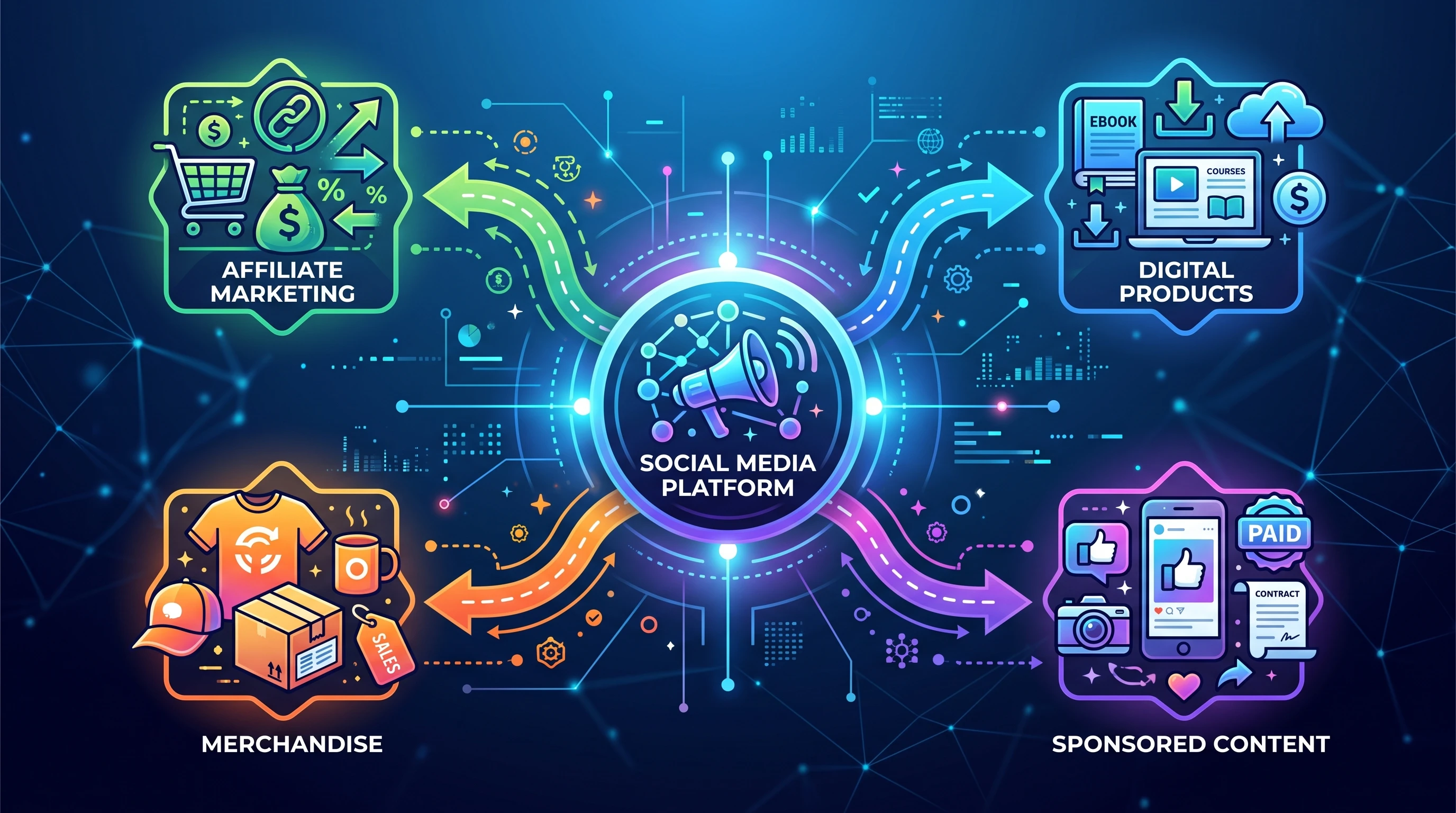
- Sponsored Content: Businesses pay influencers to create posts featuring their products or services. This could be a single post, a whole campaign, or a video series that spotlights the sponsor.
- Affiliate Marketing: Sharing special links or promo codes, you earn a commission every time someone buys through your referral. This approach works well on blogs, YouTube, and Instagram stories.
- Digital Products: Creating online courses, templates, eBooks, or presets lets you sell directly to your audience. Platforms like Gumroad and Teachable make it easy for you to get paid.
- Physical Products or Merch: Tshirts, mugs, or other branded items are classic options. You can use print-on-demand services to avoid spending money up front or keeping inventory on hand.
- Platform Features: Platforms like YouTube and TikTok offer built-in monetization, including ad revenue sharing, channel memberships, or gifts during live streams.
- Consulting and Coaching: If you’re an expert in your niche (like fitness, design, or social media), offering paid advice or coaching is a natural branch of your content.
Besides these, hosting webinars or workshops, launching a podcast with sponsor slots, or licensing your photos and videos to other creators are all ways to set up additional income channels. These options show just how many different monetization avenues are available in today’s online landscape.
How to Get Started with Monetization
Monetizing your influence for the first time is a big move, but you don’t need a massive following to get rolling. Here are a few first steps that make things smoother:
- Assess Your Audience: Check your analytics and see which posts interest your followers most. This reveals what they value, and what they might buy or sign up for down the road.
- Decide on Monetization Types: Think about your comfort level when it comes to sharing offers. Do you feel good recommending products? Would you rather build your own course or downloadable guide? Choose methods that fit your brand and feel true to your style.
- Start Small: Test out affiliate links or apply for a few sponsorship programs. Microinfluencers (under 10k followers) often land their first brand deals in niche communities.
- Create a Media Kit: Even a single page with your stats, engagement rates, and examples of your work can give brands a reason to reach out to you.
Don’t forget to interact with your audience and gather feedback. Asking about their interests through polls or DMs gives valuable clues and can help shape your future monetization game plan.
Things to Think About Before Monetizing
Jumping into monetization without a plan can backfire. These points help keep things smooth:
- Maintaining Trust: Your audience follows you for a reason. Any promotions, partnerships, or sponsored content should fit naturally with your channel. Avoid posts that feel disconnected from your usual message; keeping things authentic will keep your reputation strong over time.
- Disclosure Rules: Laws and platform policies require you to clearly mark sponsored posts or affiliate links. Do your homework and always use the right hashtags like #ad or #sponsored. Building an open relationship with your audience boosts credibility.
- Balance Is Key: Overdoing ads or constantly pushing products will make people tune out. Try to keep most of your content valuecentered and real, mixing in monetized posts only where they make sense.
- Brand Alignment: Work with brands that share your vibe. It’s easier to make sponsored content feel natural if you’re a true fan of what you’re promoting.
Trust and Transparency
I’ve found that being straightforward about paid partnerships actually grows my credibility. The followers who stick with me are those who appreciate honesty and clear communication. Posting sponsored content or affiliate links? Always be up front about it; it pays off in longterm loyalty.
Legal and Platform Guidelines
Social networks and blogs have specific rules about how to label sponsored content. Not following these can mean account trouble or even legal hassles. When in doubt, just add a simple disclosure and err on the safe side. Most viewers are used to seeing these these days and take them in stride.
Advanced Tips and Tricks for Maximizing Your Earnings
Once you’ve mastered the basics, you’ll spot even more opportunities. Here are a few tricks that helped me increase my income without turning off my followers:
Bundle Offers: Mix different ways of making money together. For instance, build a tutorial video that references a sponsor while also suggesting your own eBook. This can grow revenue across several streams at once.
Audience Segmentation: Not every follower wants the same thing. Using email lists or follower tags lets you reach each group with content and offers suited to their interests.
Invest in Analytics: Look at what gets attention and what falls flat. Tracking links, Google Analytics, and social media insights all help you figure out what your fans are loving right now.
Reinvest in Quality: Once you start earning, try upgrading your recording gear or editing software. Eye-catching videos and photos not only impress your audience but can land you higher-paying collaborations.
Negotiate Your Rates: Know your value in the market. Research current pay rates and don’t hesitate to ask other influencers about their deals. Checking out resources like Influencer Marketing Hub gives a good ballpark before you say yes.
Tools and Resources Every Influencer Should Know
Some handy tools and platforms can make the process a lot smoother. These are a few of my favorites:
- Affiliate Networks: Amazon Associates, ShareASale, and LTK allow you to apply to lots of affiliate programs with one profile.
- Sponsorship Marketplaces: Aspire, BrandSnob, and FameBit (YouTube’s official collaboration platform) connect influencers with brands looking to pay for authentic promotion.
- Digital Product Platforms: Teachable, Gumroad, Podia, and Shopify help you get your products into your fans’ hands easily.
- Email List Managers: Tools like ConvertKit or Mailchimp let you create an email list, which you fully control, regardless of algorithm changes on social networks.
Real-World Applications: Where Influencer Monetization Works Best
People are making real money in every possible niche. Here’s where influencer earnings really stand out (with some scenarios):
- Beauty and Fashion: Outfit tryons, makeup tutorials, and product reviews are a perfect fit for affiliate links and paid partnerships.
- Food and Home: Recipe bloggers often create and sell cookbooks, meal plans, or branded kitchenware alongside sponsored food products.
- Fitness and Wellness: Personal trainers offer workout routines, online training sessions, and promote supplements or gear through affiliate links.
- Gaming and Tech: Streamers earn from sponsorships, Twitch subscriptions, YouTube ad dollars, and their own digital products like overlays or guides.
- Education and Skills: Posting tutorials and DIYs with paid online courses or printable templates makes for a super practical business model right now.
Many influencers also find steady income in lifestyle blogging, parenting, travel, finance, and pet care niches. The key is tuning your offers to your audience’s needs and being consistent about how you add value.
Frequently Asked Questions
People just starting out usually have a few burning questions about making cash with their content. Here are answers to the most common ones:
Question: How many followers do I really need before I can start earning?
Answer: There’s no set number, but lots of microinfluencers start landing sponsorships between 1,000 and 10,000 followers, especially if they’re active in a niche. Engagement is just as important as total reach.
Question: Can I mix several income streams at once?
Answer: Definitely. Having a mix of affiliate marketing, digital product sales, and sponsorships will make your income steadier, especially if one part goes quiet for a while.
Question: How do I keep my audience from feeling bombarded by ads?
Answer: Focus on delivering value first. Rotate between different types of monetized posts and make sure the majority of your content is what your audience came for—mixing things up will keep them engaged.
Final Thoughts
Turning your social influence into real earnings is possible, even while you’re growing your community. Picking monetization methods that align with your unique style and your audience keeps things authentic and sets you up for lasting partnerships. As you experiment and level up your content, you’ll spot what’s working and keep finding new ways to earn. Stay true to your audience, keep it real, and you’ll have no trouble monetizing without compromising what makes your platform special.
Wondering what’s next for you? Give some of these strategies a shot and watch which ones fit your goals and style. With so many options and the creator economy still growing, there’s plenty of opportunity if you stay sharp and keep putting out what your followers love most.