
Video marketing is shaping up to be one of the most direct and creative ways to reach audiences in 2026. With ever-changing algorithms, new social platforms popping up, and switching viewer habits, staying ahead in video marketing takes a mix of smart planning, fresh content, and the right tech. Whether you’re a small business owner, freelance creator, or digital marketer, having a solid set of strategies makes your content stand out and actually drive results. Here, I’m sharing my top 10 video marketing strategies that are working now and look promising headed into next year.
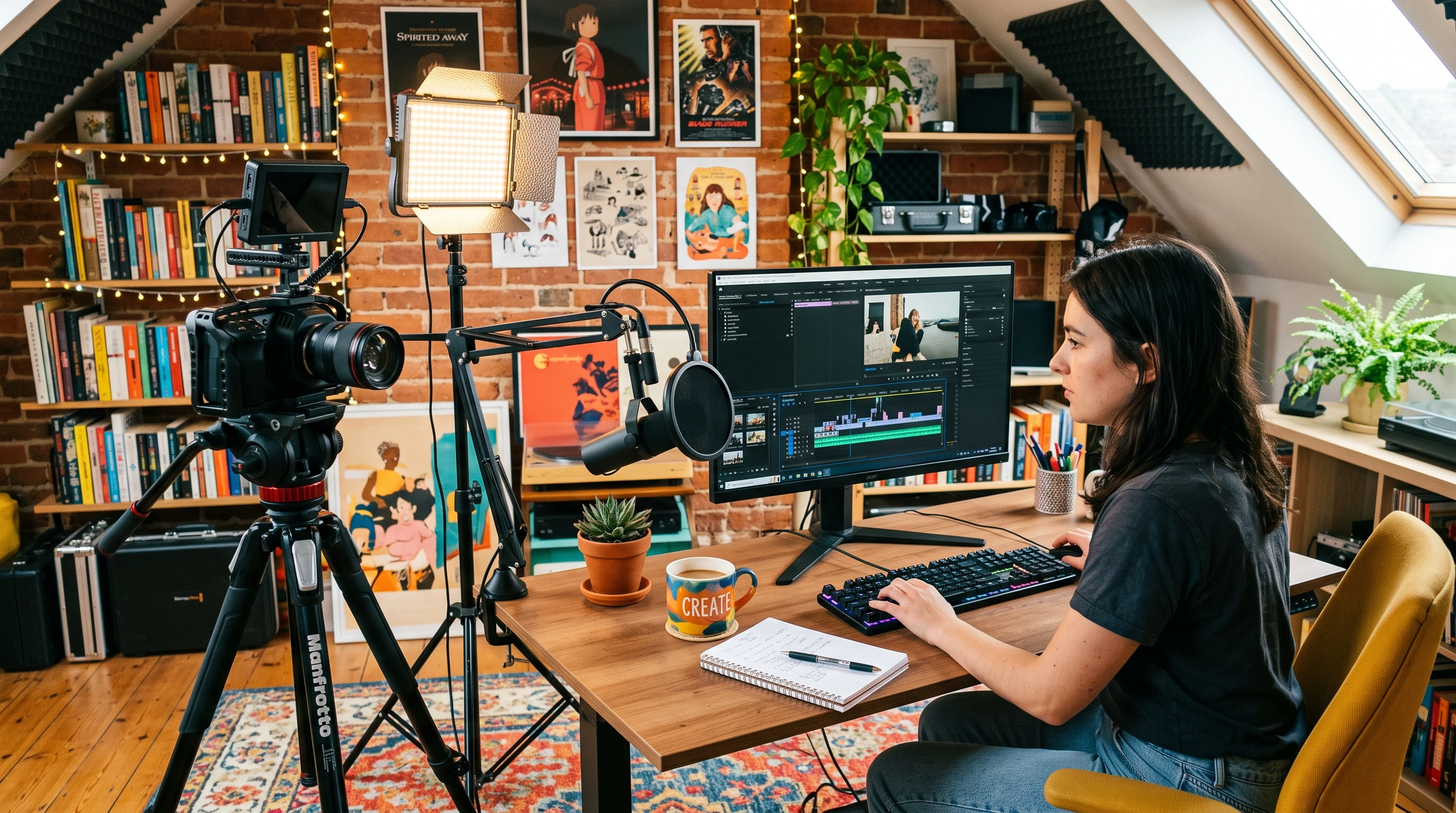
Why Video Marketing Isn’t Slowing Down in 2026
Video is now the go-to for everything from brand awareness to direct sales. Stats from Wyzowl’s 2026 State of Video Marketing report show more than 90% of marketers say video offers a good ROI, and people are spending more hours per week watching videos than ever.
The return on energy and budget spent on video keeps climbing, especially since most platforms like Instagram, TikTok, and YouTube are prioritizing video in their feeds. Plus, with smartphones and userfriendly editing tools, it’s easier than ever to produce great-looking clips. Video gets more shares, holds attention better, and brings brands to life with a real, relatable presence.
Video marketing can look different for every business or creator, but the building blocks for strong results aren’t changing soon. So, let’s get into the strategies you’ll want to try in 2026.
Getting Started: Setting Video Marketing Goals
Kicking off a successful video marketing campaign starts with clear goals. If you’re just making videos with no idea what you want from them, it’s easy to feel lost or disappointed with the results.
- Brand Awareness: Show your brand personality or mission with quick intro videos, behind the scenes peeks, or “about us” footage.
- Lead Generation: Gate some useful video content with email opt-ins or offer downloadable extras in exchange for a sign-up.
- Sales and Conversions: Product demos, testimonials, and explainer videos help turn interested viewers into buyers.
- Customer Support: Answer common questions, provide how-tos, or even handle onboarding with a library of helpful clips.
By knowing what you’re aiming for, you can create specific, useful scripts, track the right metrics, and keep your creative team focused.
Top 10 Video Marketing Strategies for 2026
Here’s my rundown of the smartest video marketing strategies you’ll see perform well this year:
- Short Form Videos Dominate
Short, snappy videos (think TikToks, Instagram Reels, YouTube Shorts) aren’t just trendy. They’re what audiences want. These bite-sized clips grab attention and keep people watching all the way through. Aim for 10-60 seconds with a punchy hook in the first three seconds. - Go Live for Real-Time Engagement
Live streaming is a super direct way to connect. Whether you’re hosting Q&As, product launches, or just “working out loud,” live video builds trust and lets viewers participate in the moment through chat and reactions. - User Generated Content (UGC) Adds Credibility
UGC invites your audience and customers to share their own videos using your product, visiting your space, or reviewing your service. This content is social proof at its best because it’s totally authentic and relatable. - AI Tools for Editing and Captions
AI video editing, automated captions, and even script generation tools are everywhere now, and they’re pretty handy for saving time. Tools like Descript and CapCut help polish up your clips, add cool effects, and make your videos more accessible, reaching an even bigger audience. - SEO for Video Gets Technical
Optimizing your videos isn’t just about adding keywords to the title. It includes proper tagging, accurate (and searchable) descriptions, and even uploading transcripts. Good SEO helps content actually get seen, especially on YouTube and Google results. Using closed captions and adding subtitles for multiple languages can bring in viewers across the globe. - Storytelling Over Hard Selling
People want to connect, not just buy. Tell a story with your videos, highlighting a challenge and how your product, service, or idea helps solve it. Emotional content gets remembered and shared, so focus on the “why” behind what you do as much as the “what.” - Repurposing Content Across Platforms
Make one great video, then slice it up for Instagram, TikTok, Facebook, and LinkedIn. Adjust the aspect ratio, add custom intros, or recut the ending to suit each platform’s vibe. A single video idea can cover a whole week’s worth of posts if you’re clever about repurposing. Don’t be afraid to remix old videos with updated info or fresh visuals. - Vertical and Mobile First Formats
Most social video views happen on mobile. Vertical (9:16) video is pretty much the default for TikTok, Reels, and Shorts. Start shooting everything in vertical or at least plan to crop for mobile screens. Make your graphics big and easy to read on smaller devices for better clarity. - Personalization and Targeted Messaging
Dynamic video tools let you change text, offers, or even calls-to-action based on viewer data. Personal video messages in email, tailored video ads, or custom landing page intros turn generic videos into personal experiences. The more relatable your approach, the better your results. - Data Driven Testing and Feedback Loops
Pay attention to video analytics. Look for watch time, drop-off points, shares, and clicks. Don’t be afraid to experiment with different hooks, headlines, or styles. Let your metrics show what’s catching on so you can refine as you go. It’s all about using the data to game plan your next move.
Common Obstacles and How to Handle Them
Video marketing isn’t without a few headaches, especially when you’re new. Here are some challenges I see a lot, along with how you can get around them:
- Limited Budget: Create more with less by using free editing tools and focusing on natural light. Don’t worry about making every video “Hollywood level.” Audiences care a lot more about clarity and value than production value. You can even use simple backgrounds at home or shoot outdoors for visual interest that doesn’t cost extra.
- Camera Shyness: Not everyone’s comfortable on camera, and that’s totally normal. Start off with voiceovers, animation, or screen recordings until you feel more confident showing up on screen. Practicing scripts in front of a mirror or with friends can boost confidence over time.
- Consistency: Keeping up with regular posting can be tough. Build a small bank of content in advance or work from a content calendar so you never run out of ideas when you’re busy. Setting reminders or using scheduling apps can help keep you on track.
- Algorithm Changes: Social platforms change rules all the time about what content gets pushed. The key is to stay flexible; watch the data and don’t be afraid to try something new. Sometimes, testing new trends or formats early can give you a real advantage.
Setting Up Your Video Marketing Toolkit
Getting the right tools makes things smoother. For most beginners, a smartphone with a decent camera, a cheap lapel mic, and simple lighting can get you started. A tripod is worth getting; shaky footage is an easy fix, and it adds polish to your videos instantly.
- Editing Apps: CapCut (mobile, free), iMovie, or DaVinci Resolve (desktop, free version) are all worth checking out. For quick fixes, even editing inside the social app itself can work.
- Social Scheduling Tools: Later, Buffer, or Hootsuite help you plan posts in advance, saving you time each week. They also let you check how your content performs, so you can fine-tune future posts.
Don’t feel like you need to splurge for pro gear. Try what you have first and upgrade as you grow. As you get more experienced, you’ll learn what’s really worth investing in for your own unique style.
How Video Marketing Helps in Real World Situations
Video marketing pays off in more ways than just views or likes. Here are three practical places it works especially well:
- Ecommerce and Product Demos: Showing how a product works or looks in real life can get buyers off the fence fast. Live product demonstrations, unboxings, or reviews build trust and answer common questions.
- Education and Tutorials: Step by step guides or explainer videos answer common questions before people even ask, which helps boost credibility. Screen capture tutorials or whiteboard explanations are massively popular and useful in many niches.
- Local Businesses: Quick behind the scenes or customer stories create a strong local connection and make your brand feel like a real part of the community. Sharing local events, customer interviews, or special promotions builds word of mouth quickly.
Frequently Asked Questions
I get lots of similar questions from folks starting with video marketing, so here are my answers to the ones that pop up most:
Question: How often should I post video content?
Answer: Regularity trumps volume. Posting once or twice a week is just fine if you’re starting out. More important is keeping up with it so your audience knows when to expect new stuff. A predictable schedule helps you build loyalty over time.
Question: Do I need to be on every video platform?
Answer: Not really. It’s better to focus on one or two platforms where your target audience hangs out most, instead of spreading yourself thin all over the place. Choose the platforms that line up with your goals and resources.
Question: How do I get more people to watch my videos?
Answer: Start with a strong hook, use clear calls-to-action, and promote your videos on your website, email newsletter, and social profiles. Responding to comments and questions helps boost visibility too. Cross-promoting clips from one platform to another can also help introduce new viewers to your content.
Bringing Your Video Marketing to Life
Moving into 2026, video isn’t just a nice to have. It’s an easy way to build connections, explain your message, and inspire action. Whether you’re creating a simple how-to video from your kitchen or livestreaming a product launch, consistency and authenticity always come out on top. Give some of these strategies a try, keep an eye on what your audience likes, and remember to have some fun experimenting along the way. Video marketing is a space where a little creativity and effort goes a long way. If you stay flexible and open to feedback, you’ll be able to keep standing out no matter how the trends change.