
Video storytelling is a technique that can really pull people in if done well. When a video tells a story that’s compelling, viewers aren’t just watching. They’re feeling, thinking, and remembering what they saw. Whether you’re working on a short film, an explainer, or a brand video, learning how to craft a narrative that grabs attention is key. I’ve worked with a lot of different styles and found that sticking to some tried and true principles can make a huge difference, regardless of your topic or audience.
What is Video Storytelling?
Video storytelling means using video to share a message, point of view, or emotion in a way that feels like a story, not just a set of facts or pretty shots. This isn’t something that’s limited to Hollywood or big budgets. Even simple, well-told stories can have a big impact. What makes video storytelling special is its ability to mix visuals, sound, and pacing in ways written or still image stories just can’t do as easily.
Viewers are usually drawn to good video stories because they feel immersive. Studies, like those from Think with Google, show that people are more likely to remember and care about messages told through narratives. That’s great news for content creators looking to make their mark.
The Elements of a Strong Video Narrative
Every good video story, no matter how simple, usually has certain pieces in place. Figuring out how these elements fit together is really important if you want to keep your audience’s attention from start to finish.
- Clear Characters: Viewers want to know who the story is about, even if the “character” is a brand or a voiceover narrator.
- Purpose or Conflict: There needs to be a reason for the story. Even in short promo videos, there should be a challenge, goal, or question driving things forward.
- Structure: Most stories follow a pattern: setup, challenge, resolution. In video, the visuals and sounds help step up each of these steps.
- Emotion: Moments that make viewers laugh, think, or feel empathy always help boost engagement.
Planning Your Story
Every strong video story starts with a bit of planning. Even if you’re going for a casual, off the cuff vibe, outlining key beats ahead of time keeps things focused and clear.
- Identify Your Message: Before you write or shoot anything, decide what you want the audience to take away from your video. Tracking down your core point makes everything easier.
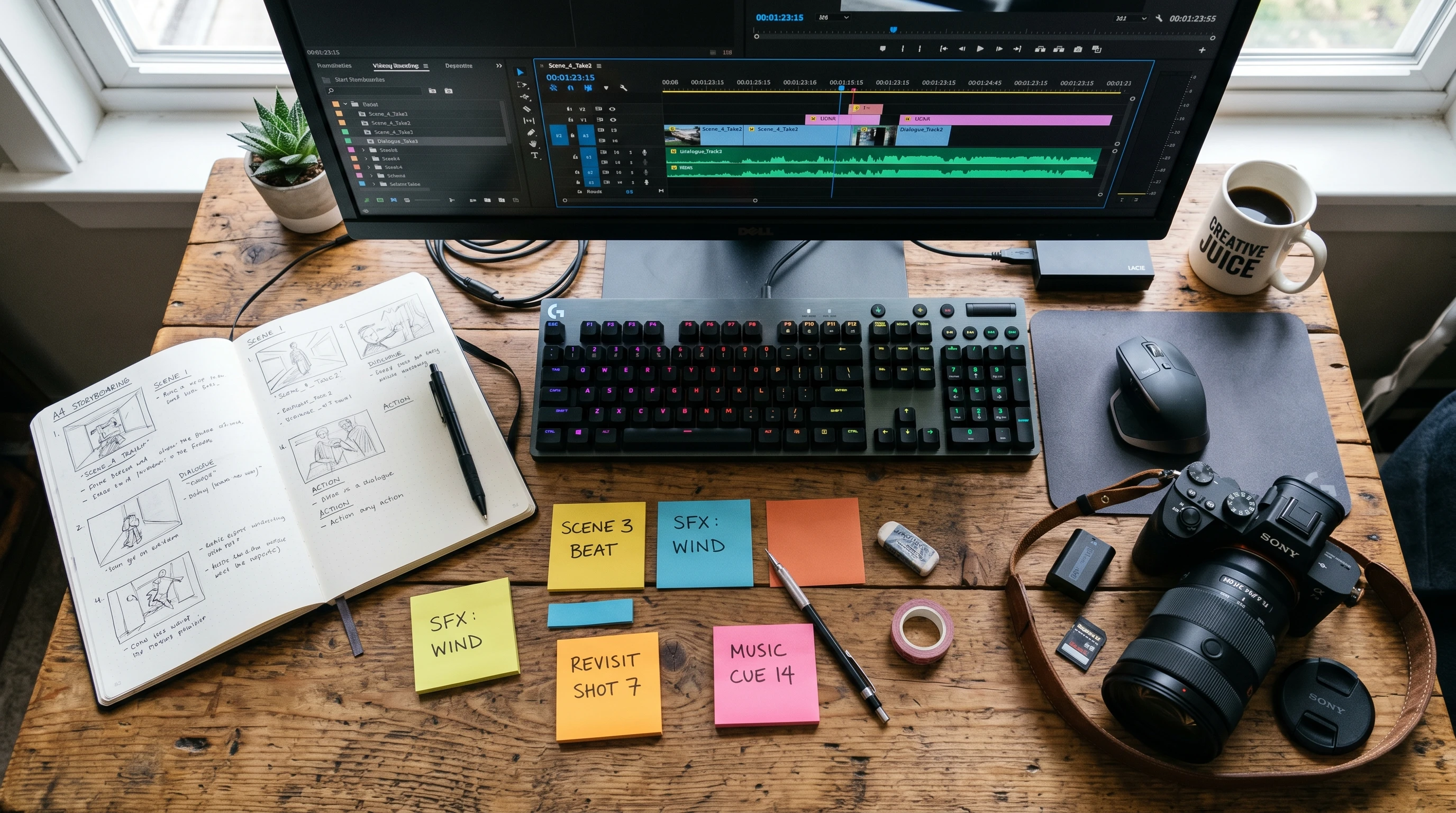
- Map Out the Structure: Jot down the beginning, middle, and end. If you’re working with a team, sharing a rough storyboard (even rough sketches) helps get everyone on the same page.
- Visualize Key Moments: Think about what images or scenes will make the message stick. For example, if your video is about environmental cleanup, showing dramatic before and after shots can help the story land.
Getting Started: Bringing Your Story to Life
The change from idea to video is where things get exciting, and sometimes a little overwhelming. These steps help keep the process smooth and manageable:
- Write a Simple Script: You don’t need a long screenplay. Having key lines or scene notes jotted down is pretty handy.
- Storyboard It Out: Quick sketches or even written scene prompts give your video a roadmap.
- Gather Visuals: Decide what kind of footage you need: interviews, voiceovers, B roll, or animation.
- Organize Equipment: Make a quick checklist for everything you’ll need on shoot day to make sure nothing gets forgotten.
Relying on structure does not kill creativity. It gives you room to improvise where it works while staying on track with your message.
Techniques That Make Stories Shine
A few classic video storytelling techniques tend to pull in audiences and make things memorable. I always keep these in mind, whether I’m shooting a simple howto or something with more of a narrative arc:
- Show, Don’t Just Tell: Use visuals and sound effects to paint the story, not just words or talking heads.
- Layer in Sound: A good soundtrack, well placed ambient noise, or a strong voiceover can add another dimension to the story.
- Use Pacing: Timing affects how people experience your story. Quick cuts add energy, while slower scenes give viewers space to reflect.
- Add Personal Touches: Small details, like candid moments or unique camera angles, can make your story feel more real and relatable.
Common Challenges (And How I Work Through Them)
Even with planning, video storytelling comes with a few hurdles. Here are some issues I’ve run into and ways I’ve tackled them:
- Information Overload: It’s easy to pack too much into a short video. Staying focused on one main idea helps keep things clear and punchy.
- Flat Visuals: Shooting too many talking heads or static shots can feel dull. I try to mix things up with different locations, closeups, and movement.
- Lost Audience: If a story feels predictable or doesn’t spark emotion, viewers drift away. Adding a twist or unexpected moment at the right time can reboot their interest.
- Technical Limitations: Sometimes gear or time is limited. Using creative angles, strong lighting, or thoughtful editing often makes simple footage stand out.
Working Through Information Overload
Keeping videos focused is super important. I usually ask, “If viewers only remembered one thing, what would it be?” Trimming out anything that doesn’t support that core takeaway helps the video feel cleaner and more memorable.
Making Visuals More Engaging
Different camera angles, fresh backgrounds, and little touches like changing lighting or adding movement (walk and talk shots, pans, etc.) keep things visually interesting. Even simple changes can help keep the viewer’s attention.
Avoiding Predictable Stories
I look for ways to build tension or surprise the audience, even in small ways. Sometimes it’s as simple as dropping in a fun fact, a beautiful shot, or a sound that sets the mood just right.
Getting Around Gear and Budget Limits
Good lighting, clever audio, and thoughtful edits can usually hide the fact that you aren’t working with a big crew or high-end gear. Sometimes simple setups give a story more authenticity, making it easier for audiences to relate.
Leveling Up: Tips for Stronger Video Storytelling
With a few stories under your belt, trying some advanced techniques can help videos feel even more professional and captivating:
Hook Viewers Early: The first few seconds matter a lot. I try to open with a striking image, a question, or a sound that makes people curious and want to keep watching.
Guide the Viewer’s Eye: Use framing, focus, and movement to shine a light on what’s really important in each shot.
Let the Story Breathe: Silent moments or pauses let viewers absorb the message. I sometimes let a scene linger a bit longer to allow viewers to sit with what they’ve just seen or heard.
Refine in the Edit: Great storytelling often happens in the editing room. Rearranging or trimming clips, and playing with timing or soundtracks, can completely transform the story’s impact and leave a lasting impression.
Real World Examples: Where Video Storytelling Shines
I’ve seen great video storytelling open doors for so many folks: nonprofits raising funds, businesses building trust with customers, teachers making lessons stick, or individuals sharing personal moments. Here are a few ways video storytelling is put to work:
- Case Studies: Letting real customers explain how they solved a problem using a product or service helps audiences relate and stand behind what’s being shared.
- Howto Guides: Even step by step tutorials can tell a story, especially when they include challenges, before and after moments, and personal touches that connect.
- Brand Videos: Businesses use storytelling to go beyond features, showing the people and passion behind what they do, making their brand feel human and authentic.
Frequently Asked Questions
People often have questions when they get into video storytelling, especially early on. Here are some of the ones I hear most often:
Question: How long should a good video story be?
Answer: Shorter is usually better, especially for online audiences. Try to keep things tight and focused. Between 1-3 minutes works well for most web videos, but don’t cut it so short the story feels rushed. Give your narrative enough space to breathe.
Question: What if I’m not a good writer?
Answer: You don’t need fancy writing skills to craft a clear story. Just focus on telling it as you would to a friend. Editing and revising your script out loud can help it feel natural and relatable for viewers.
Question: Can video storytelling work for boring topics?
Answer: Any topic can be interesting if you stumble upon the human angle or a unique perspective. Use relatable examples, humor, and visuals that connect with your audience’s real interests to make even the driest subject engaging.
Final Thoughts on Crafting Captivating Video Stories
Crafting a captivating video narrative isn’t about fancy gear or blockbuster budgets. It’s about clarity, structure, and a little creativity in how you share your message. By focusing on character, emotion, pacing, and authenticity, you can turn any idea into a story people want to watch and maybe even share. I get a lot of satisfaction seeing that “aha!” moment when a video connects with someone, and I think you will too. If you want to build your skills, keep experimenting and asking for feedback—it’s one of the best ways to step up your video storytelling game.

