
Affiliate marketing pops up almost everywhere across the internet, but it can still feel a bit mysterious when you’re just starting out. I remember facing a boatload of questions and a little uncertainty before getting my first commission. If you’re looking to understand how affiliate marketing works, what it takes to make money, and how to get started, these answers should give you some solid footing without drowning you in jargon.
Affiliate Marketing Basics
Affiliate marketing is a way to earn a commission by promoting someone else’s products or services online. The idea is pretty much “recommend a product, earn when people buy through your link.” You’ll see this model all over the web, from blogs to YouTube channels and even TikTok accounts.
The affiliate marketing industry is booming. Statista reported that U.S. affiliate marketing spending hit over $8 billion in 2022, and it keeps growing. For brands, it offers more eyeballs on their products. For people like me, it’s a flexible way to earn money from a laptop, often with minimal startup costs.
This business really took off around the late ’90s. Big names like Amazon, ClickBank, and ShareASale helped open storefronts for anyone who wanted to monetize content. If you’ve come across those “best product” lists or comparison guides online, you’ve seen affiliate marketing in action.
How Does Affiliate Marketing Work?
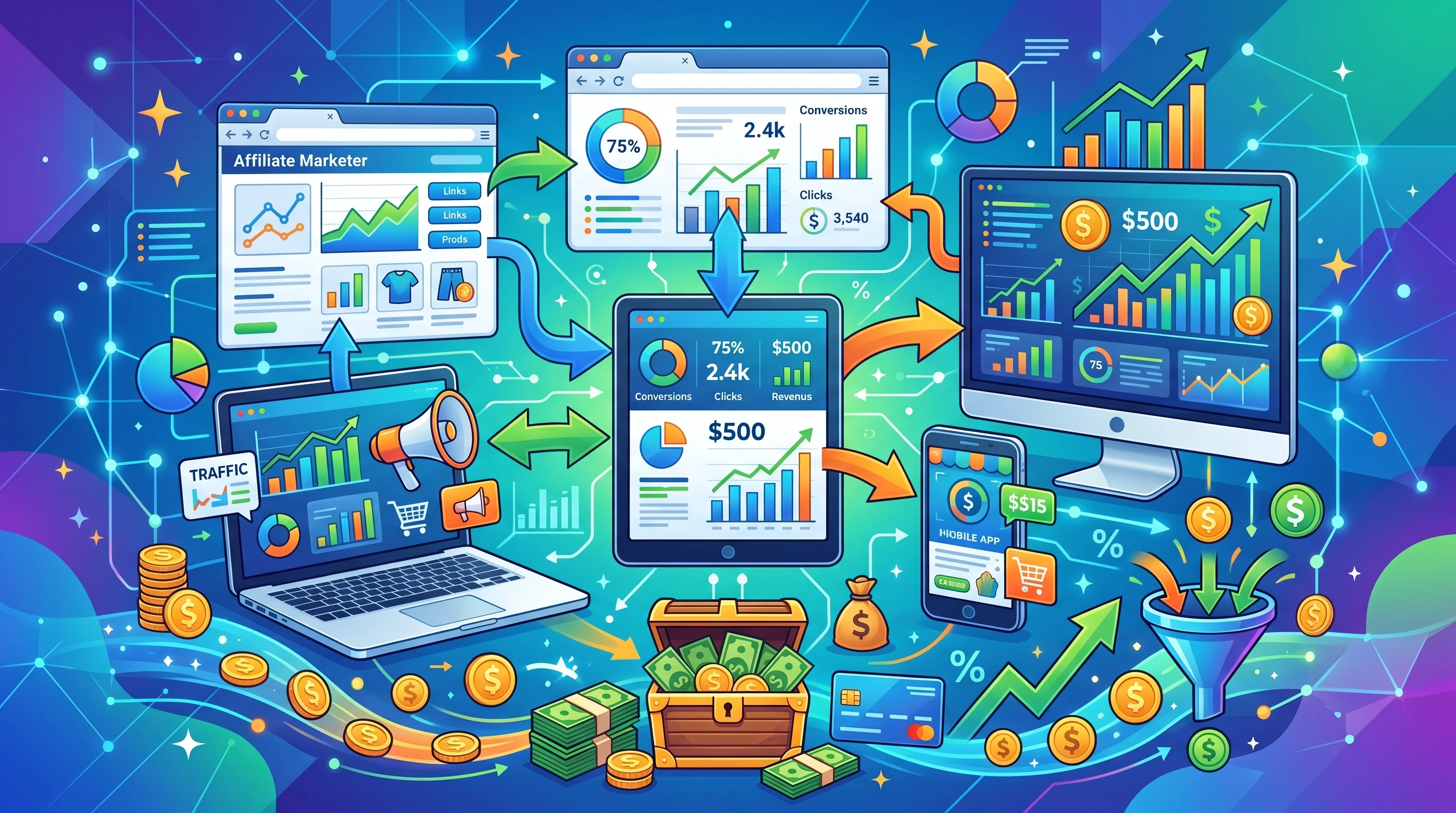
It all starts by joining an affiliate program. Once signed up, you get a special tracking link for a brand’s product. Share that link on your website, social media, or emails. When someone clicks and buys, you score a commission. The brand takes care of the rest.
You’re the connector between a potential customer and a brand. The process usually looks like this:
- Choose a Niche: Focus on a topic or industry you’re interested in (think tech, beauty, sports, health, or finance).
- Pick Affiliate Programs: Sign up for programs related to your niche.
- Create Content: Write, film, or post content that promotes those products.
- Share and Track: Use your unique links and check your dashboard for clicks and earnings.
Top 10 Common Questions About Affiliate Marketing Answered
I’ve rounded up the questions I get most often. If you’re thinking about getting into affiliate marketing, there’s a good chance these answers will clear up some of the fog and help you get started with confidence.
1. Do I Need a Website to Start Affiliate Marketing?
A website is really handy, but it’s not strictly required. You can promote affiliate products through YouTube, Instagram, TikTok, or even email newsletters. That said, I find having a website gives you more control over your content, tracks your progress more easily, and makes it easier to grow a long-term business. WordPress, Squarespace, and Wix keep setup manageable even if you’re new to websites.
2. How Do Affiliate Marketers Actually Make Money?
Most earn money when someone clicks their affiliate link and makes a purchase. This is called a “pay per sale” (PPS) model. Sometimes you’ll see “pay per click” (PPC) or “pay per lead” (PPL) programs, where you earn cash when a visitor clicks a link or signs up for a trial. Each program lays out its own rules, but PPS is by far the most common.
3. How Much Can I Really Earn?
This depends on your niche, content quality, traffic levels, and your chosen affiliate programs. Some people earn pocket change, others pull in thousands every month. Typical commissions range from 4% (like Amazon) up to 30% or more for digital products or special courses. Consistency and posting good content over time make the biggest difference.
4. Is Affiliate Marketing Legal and Safe?
Affiliate marketing is totally legal in most countries, as long as you follow advertising regulations and disclose your promos. The U.S. Federal Trade Commission (FTC) says you need to tell readers or viewers when a link may earn you a commission. I always include a short disclosure on my website or in my video descriptions to stay transparent and build trust.
5. What Skills Do I Need to Succeed?
Writing helpful content, understanding SEO (search engine optimization), social media strategy, and basic analytics go a long way. You don’t need to be a tech expert. If you can explain why a product is helpful and guide people to solutions, you’re on the right track. Over time, you’ll pick up more skills by doing.
6. Do I Need to Buy the Products I Promote?
You don’t have to, but giving products a real try helps you speak from experience. I prefer testing out products before recommending them, but I know plenty of good affiliates who do in-depth research if real testing isn’t possible. Just avoid misleading claims. Your audience will see right through overhyped or fake reviews.
7. How Do I Find Good Affiliate Programs?
Most brands mention affiliate programs in their website’s footer or a quick search like “brand + affiliate program” on Google reveals signup pages. Major affiliate networks (like ShareASale, CJ Affiliate, and Rakuten) list tons of brands in one spot. Look for brands that fit your content and pay out regularly.
8. Are There Costs to Getting Started?
Costs are super low compared to starting a physical business. At minimum, you might pay for a domain name (about $10 per year) and website hosting (as low as $3–10 a month). Creating videos or graphics on your smartphone is usually free. Some people spend more on premium tools, but you can absolutely get rolling on a shoestring budget. As you grow, you can always add extra resources or invest in tools that fit your needs. Many successful marketers started small and scaled gradually.
9. How Do I Get Traffic to My Affiliate Links?
Your content needs eyeballs. Organic search (Google traffic), social media sharing, and email newsletters are popular methods. SEO is really important. Writing helpful articles that rank in Google brings regular visitors over time. Social media can fire up results quickly, but search traffic usually lasts longer. Email lists help deliver your best stuff directly to folks who want to hear from you. You can also consider guest posting or collaborating with others in your niche to reach even more people and build valuable connections.
10. What Mistakes Should Beginners Avoid?
I’ve learned a few lessons the hard way. Here are some things worth avoiding:
- Chasing Trending Products Blindly: Focus on products and topics you genuinely care about, not just the latest fads.
- Ignoring Disclosures: Always mention when a link might earn a commission, as transparency is super important.
- Relying On One Program: Mixing in some variety across affiliate programs gives you more stability if one closes or changes terms.
- Publishing Thin Content: Put effort into guides, reviews, and how-tos rather than just tossing up quick links.
Tips for Picking the Right Affiliate Programs
Careful research helps you make smarter decisions and prevent wasted effort. Here’s what I look for in a solid affiliate program:
- Reputable Brands: Programs connected to brands I already like or trust usually make for easier promotions.
- Decent Commissions: I check both the percentage and the average payout. Sometimes a lower percentage on high price items adds up quickly.
- Regular Payouts: Good programs pay on time, whether it’s via PayPal, bank transfer, or another platform.
- Fair Cookie Duration: Longer cookie durations (30 days or more) give your visitors more time to decide, meaning more chances for you to earn.
- Strong Support and Resources: The best programs offer marketing materials, support, and clear rules.
Extra Tips for Long-Term Success
Staying consistent and adapting with the industry is crucial. Here’s what I keep in mind for steady growth:
- Stay Honest: Only promote products you stand behind. Your recommendations should help, not just sell.
- Keep Learning: Algorithms and trends change often, so updating your skills with resources like industry blogs is a wise move.
- Track Results: Use Google Analytics or affiliate dashboards to see what’s working (and what’s not working).
- Connect with Your Audience: Listen to feedback and reviews. Building a real connection means readers trust your advice and your links.
- Explore New Platforms: As the digital landscape grows, you can expand from your blog or YouTube to other platforms like podcasts, Twitch, or messaging apps. Going where your audience spends their time maximizes your potential reach and income. Stay curious about new trends—it often leads to more opportunities.
Frequently Asked Questions Recap
Affiliate marketing works as a low barrier way to earn money online, but finding lasting results takes real effort and a little patience. Focus on helping people solve real problems, and the commissions follow down the road. If you’re curious, now is a great time to give it a try. Just keep these tips handy as you go.
In summary, here are the key points:
- Affiliate marketing can suit just about anyone willing to put in the work, learn, and stay honest with their audience.
- You don’t need lots of money to start—just some basic tools and a helpful mindset.
- The most sustainable success comes from valuable content, transparency, and building trust.
The big takeaway: Affiliate marketing rewards helpful, consistent content, a dash of creativity, and honest recommendations. If you’re looking to get started, you’re in good company, and there are lots of resources and communities out there to help you along the way.