
Affiliate marketing and influencer marketing are two buzzwords that pop up over and over again in digital marketing conversations. If you’re running a business, growing your brand, or even just researching side hustles, these models have probably caught your eye at some point. Figuring out which one fits your goals better, or even how they actually work, can get confusing. I’ve learned by navigating both for years, so I’m going to break down the basics, differences, pros and cons, and practical tips for you right here.
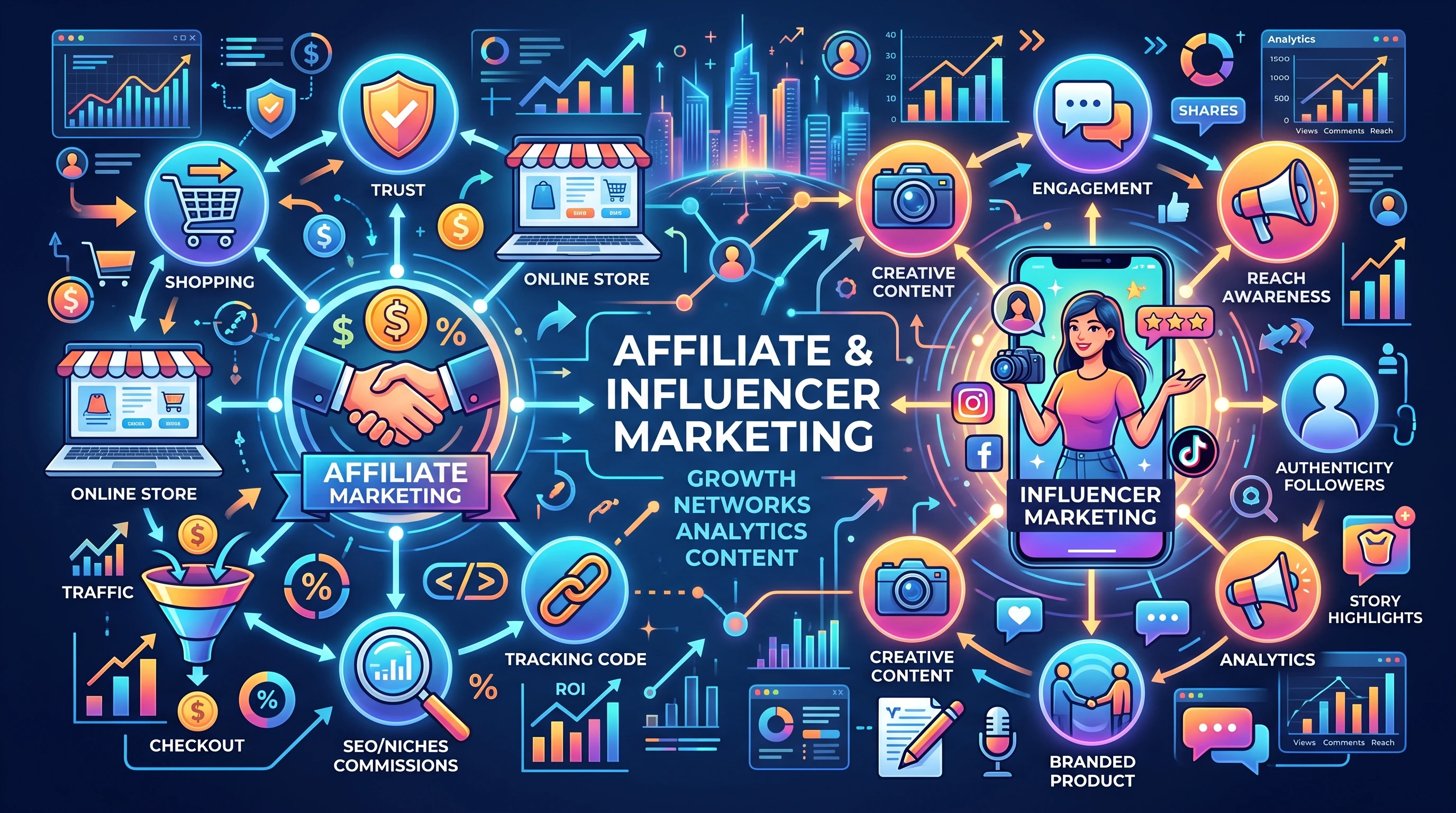
Affiliate Marketing and Influencer Marketing: What Are They?
It helps to start with the basics, especially for anyone who’s just started tackling these topics. Both affiliate marketing and influencer marketing use partnerships to promote products or services. But there are some key differences in how they work and the kind of results you can expect.
Affiliate marketing is mostly performance based. Affiliates sign up with brands or join affiliate networks, get unique tracking links, and then earn a commission on any sales that come from people using these links. It’s pretty popular with bloggers, coupon sites, and anyone who knows how to work SEO. The focus is usually on convincing people to make a purchase, and payment only happens if that purchase goes through. Over time, affiliate marketing has developed into a go-to for entrepreneurs and everyday creators alike. It allows nearly anyone with some online presence to recommend products they like while earning passive income.
Influencer marketing puts the spotlight on individuals, typically those who have built up big followings on social media, YouTube, or their own blogs. Brands partner with these influencers to promote a product, often through posts, videos, or stories. Influencers usually get paid upfront (flat fee), in kind (with free products), or sometimes a mix that might include affiliate style commissions. Instead of only pushing sales, the goal can be anything from brand awareness to user engagement or product education. In the influencer world, authenticity often matters just as much as reach, so brands get creative with who they work with and what stories they tell.
Comparing Affiliate Marketing and Influencer Marketing
Each model offers its own flavor of partnership. Here’s a quick side by side that helps highlight the differences:
- Partnership Structure: Affiliate marketing uses tracking links and commission payments. Influencer marketing focuses on posts and direct endorsements from individuals with reach.
- Goals: Affiliate programs prioritize direct sales. Influencer campaigns can build awareness, reputation, engagement, or drive buzz, even if immediate sales aren’t the focus.
- Payment: Affiliates usually earn per sale. Influencers are often paid up front, with possible extras for hitting certain numbers or including tracking links.
- Measurement: Affiliate marketers track performance primarily by conversions (sales), while influencer marketing might measure things like reach, impressions, engagement rates, or follower growth.
For small business owners, side hustlers, and even established companies, understanding these basic differences makes selecting a marketing approach a lot simpler. The overlap between the two models also means you don’t always have to stick to just one. In fact, many brands combine affiliate and influencer strategies for more well rounded campaigns.
The Rise of Affiliate Marketing
Affiliate marketing has been around since the early days of online shopping. Amazon popularized it in the 1990s, and now it’s grown into a massive industry. Affiliate programs exist for everything from beauty products to web hosting to online courses. As online buying habits keep changing, the role of content creators as trusted guides continues to make affiliate marketing both relevant and effective.
The appeal is simple: anyone can sign up, promote products they like, and get a cut of the revenue if people buy. I’ve found it’s pretty handy if you have a blog, newsletter, or even a strong social following, but don’t feel like handling customer service or creating your own product catalog. Affiliate marketing often works behind the scenes—readers might not notice an affiliate link, but the content surrounding it can nudge them to make a purchase they already wanted anyway.
You’ll often spot affiliate marketing in action through product reviews, tutorials, and top ten roundups on blogs or review sites. The best part is, even smaller creators can earn steady side income without having to front much cash. If SEO is a strength, these posts can pay off for months or even years as they keep attracting search traffic.
The Glow-Up of Influencer Marketing
Influencer marketing really took off with the rise of Instagram and YouTube. Brands saw how much impact popular creators have on their followers, especially when it comes to steering trends or introducing new products. An endorsement from a trusted influencer can create instant buzz almost overnight.
This style isn’t just about sales. Sometimes brands work with influencers to host giveaways, introduce a product launch, or explain how to use something in everyday life. I’ve seen campaigns focus on anything from boosting downloads of a free app to simply building trust around a new brand. The influencer’s personal touch and unique voice mean their opinions often carry a lot of weight with their audience.
Influencer marketing continues to spread like wildfire as social media platforms let creators carve out dedicated niches, reaching audiences in more personal and interactive ways. From food and fitness to finance and travel, influencers bring products to life in fresh, relatable content.
Affiliate Marketing vs. Influencer Marketing: Pros and Cons
Trying to figure out which approach is better? It’s not a one size fits all thing. Here’s what I’ve noticed about the perks and tradeoffs for each method.
Affiliate Marketing Pros
- Performance based payouts: You only pay for results. Pretty good for tracking ROI.
- Long term content: Reviews and deals can keep earning for years with the right SEO.
- Low risk for brands: No need to pay up front; payments only kick in if there’s a sale.
Affiliate Marketing Cons
- High competition: Some niches are saturated, making it harder for beginners to get noticed.
- Limited brand control: Affiliates might not always handle your brand’s reputation with care.
- Slow ramp up: It can take time to get real traction unless you already have an audience or strong SEO skills.
Influencer Marketing Pros
- Personal touch: Campaigns can feel more authentic thanks to the influencer’s own style and voice.
- Rapid reach: Influencers can deliver quick results, especially for time sensitive launches.
- Brand building: Good influencer partnerships can boost reputation, trust, and social proof.
Influencer Marketing Cons
- Upfront investment: Many influencers charge a flat fee, and there’s no guarantee of sales.
- Tracking can be tricky: It’s not easy to connect every like, comment, or view to a specific purchase.
- Potential for mismatches: If you choose the wrong influencer, it can hurt rather than help your brand image.
Picking the Right Approach for Your Brand or Side Hustle
Knowing which model to pursue really comes down to your goals, budget, and where your ideal audience spends their time. You might prefer affiliate marketing if you have a content platform and want to quietly integrate offers that genuinely fit your readers. On the other hand, if you want immediate eyes on a new product, tapping the reach of influencers could get you results faster.
- If you need measurable ROI and want to pay for actual sales only, affiliate marketing is probably a better fit.
- If you’re launching something new, need to build brand awareness, or want quick social buzz, influencer marketing might get results faster.
- It’s also possible (and pretty common) to mix the two, having influencers use affiliate links in their posts. That gives you both upfront impact and a way to track long term sales.
I’ve seen tech brands use affiliate programs for evergreen blog content and turn to influencers for splashy product rollouts. Fitness brands often blend affiliate tracking with influencer deals, especially when they work with trainers or lifestyle bloggers who have loyal communities. It’s all about tailoring your approach to fit your resources, target audience, and long term growth goals.
What You Should Know Before Getting Started
Jumping into affiliate or influencer marketing without a plan rarely leads to great results. Here are a few things I always keep in mind:
- Choose quality partnerships: Whether it’s picking affiliates or influencers, working with people whose style and audience actually fit your brand is really important.
- Set clear expectations: Outline what you hope to achieve, and how you’ll measure it. This includes providing solid tracking tools for affiliates and a detailed brief for influencers.
- Stay on top of disclosures: Both models need transparency (like clearly marking affiliate links or sponsored content) according to guidelines from the FTC and other groups. This keeps things above board and builds trust.
- Monitor and tweak campaigns: Track performance, pay attention to what’s working (and what isn’t), and be ready to adapt. Markets change constantly, and digital marketing tools make it possible to adjust strategies as you go.
In my own experience, the best campaigns always come from consistently learning, tracking results, and being open to switching things up as you stumble upon new opportunities or face challenges. Whichever approach you choose, the key is to aim for genuine connections and value for your audience, not just quick hits.
Frequently Asked Questions
Question: Can one person be both an affiliate and an influencer?
Answer: Definitely! Many creators use both models at once. For example, a fashion influencer might post sponsored Instagram content and also use affiliate links in their blog posts. By mixing both, creators diversify their income and give brands more options.
Question: Do you need a huge audience to succeed as an affiliate or influencer?
Answer: Not necessarily. Microinfluencers (with smaller but loyal audiences) can deliver strong engagement. For affiliates, good SEO or a focused, niche audience can drive surprising results even without massive reach. Sometimes, being a big fish in a small pond pays off more than broad appeal.
Question: Are there risks to watch out for?
Answer: For brands, working with the wrong partners can damage reputation or waste budget. For affiliates and influencers, promoting low quality products can hurt audience trust. Careful research and honest reviews help buyers and sellers make informed decisions.
Deciding Between Affiliate and Influencer Marketing
Both affiliate marketing and influencer marketing work for brands and creators, but they get the job done in different ways. Picking the right option depends on what you’re hoping to achieve, who you want to reach, and how much time and money you’re able to invest. Sometimes mixing both gets the best results. Being clear about your goals and choosing the right partners can make digital marketing a lot more fun, and a lot more effective.
Testing, learning, and adjusting as you go are part of the process. Understanding the basics will get you off to a smoother start. If you ever want to learn more about specific networks, tools, or strategies, there’s plenty out there worth checking out, including guides published by industry sites like Influencer Marketing Hub and Affiliate Marketer Training.