
If you’ve launched a new website, you’ve probably heard about the dreaded Google Sandbox. This is a sort of limbo where fresh websites hang out before getting decent visibility in search results. This period can feel endless, and that wait can slow down your whole online momentum. While Sandbox isn’t something Google mentions officially, the effect is real: new sites often see delayed rankings even when everything seems technically sound. But there are ways to get your pages indexed much faster and shorten that initial waiting game. Here, I’ll walk you through practical strategies that really help move things along.
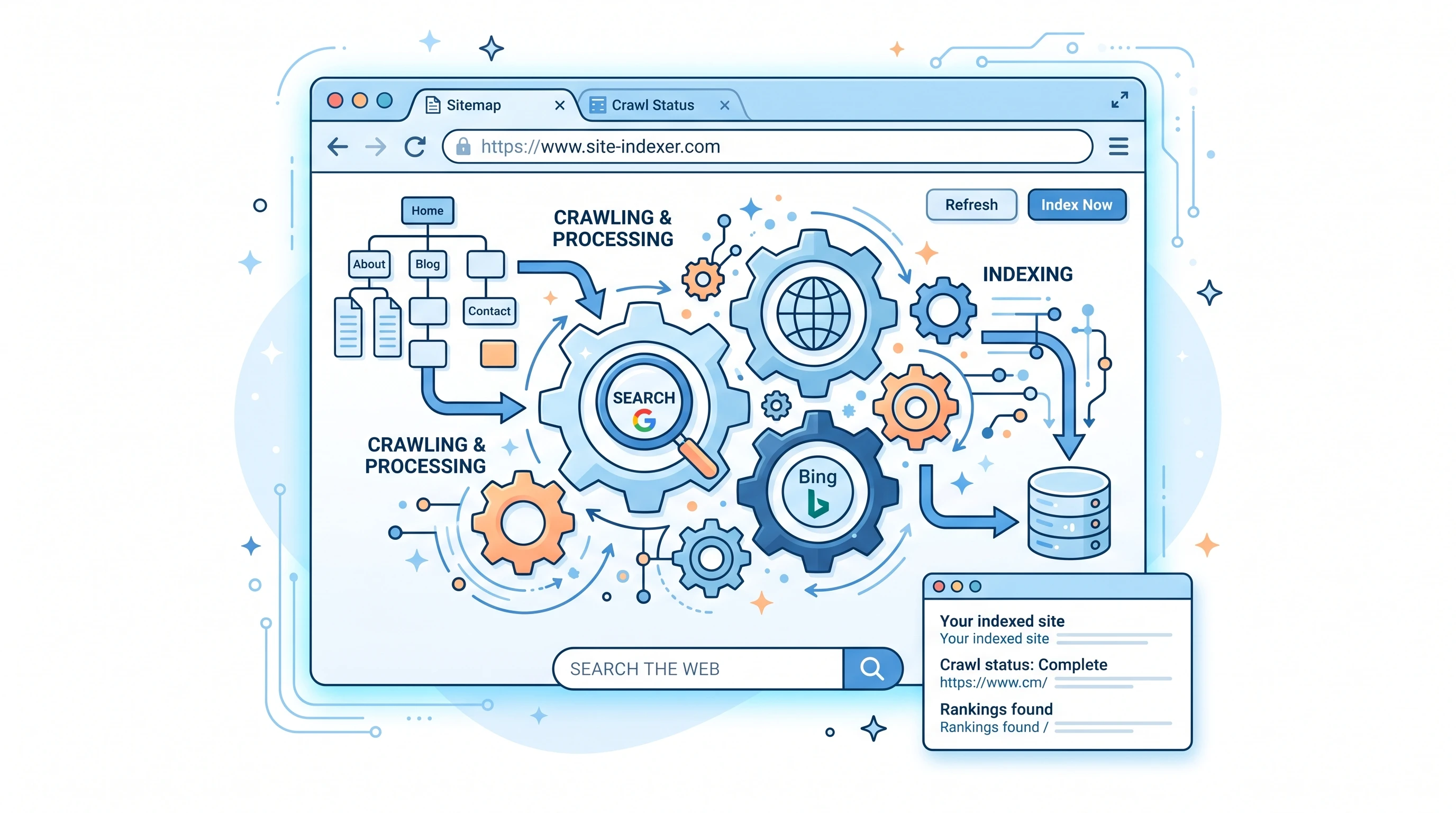
Understanding the Google Sandbox and Indexing Delay
Google’s Sandbox acts like an unspoken filter, usually affecting brand new domains. Instead of rewarding fresh content with high rankings right away, Google keeps new sites in a holding pattern. This usually happens because Google wants to weed out spam, copied content, and low quality sites before serving them to searchers. So, even if your optimization is on point, you could find yourself sitting on page 10 for weeks, sometimes longer, while Google gives your site a once-over.
This isn’t a penalty, but more of a cautious trial phase. In most cases, sites can move beyond this window in two to six months, but I’ve seen some get indexed and ranked in just a few days with a smart game plan. Fast indexing gets your site in front of eyeballs sooner. That can make a big difference if you’re trying to gain traction or compete in trending niches where every day counts.
Quick Start: The Basics of Getting Indexed Fast
Moving out of the Sandbox quickly means focusing on certain basics from day one to smooth the way toward faster indexing.
- Submit Your Site to Search Engines: Your first job is making sure Google knows your site exists. Head to Google Search Console, add your property, and submit your sitemap. This gives search engines an exact list of your pages and helps them crawl new content quickly.
- Create an XML Sitemap: An up to date sitemap acts as a roadmap for your website. Most platforms (like WordPress) generate these automatically, or you can use free online tools. Submit this in Search Console for an extra boost and help bots find your pages.
- Set Up Google Analytics: While this might not help with indexing directly, it connects your site to Google’s wider ecosystem. Having Analytics running is sometimes seen as a signal that your site is legit and cared for.
- Fix Technical Issues: Make sure all your URLs resolve properly, avoid broken links, and make sure your pages are mobile friendly and quick to load. Technical slipups can cause delays or stop bots from crawling your site.
Accelerating Indexing With Smart Content Strategies
Content is Google’s favorite snack. Feeding your site with high quality, relevant content right from the jump is super important. Don’t just throw random blog posts online—publish guides, how-tos, and resources tightly connected to your niche that are actually helpful for readers.
- Publish Consistently: Launch with a cluster of original posts instead of just one page. Search engines look for active sites, so a steady stream of new content signals that your site isn’t abandoned.
- Target Longtail Keywords Early: These are easier to rank for and bring in highly targeted visitors as your site gains authority. Go for keywords with lower competition and clear user intent.
- Link Your Pages Internally: Linking from one page to another makes it easier for search engines to find and understand your whole site structure. This helps bots crawl deeper and faster.
- Optimize Metadata: Write unique titles and descriptions for every page. These tags are the first things bots see, so well written tags help your pages get indexed faster and make a better first impression.
Building Authority Fast: Backlinks and Social Signals
Getting trust from Google happens much faster if other websites already trust you. That’s where backlinks and social shares come in. You don’t need hundreds; just a few solid links from related sites can put your new website on Google’s radar quickly.
- Get Easy Backlinks: Start by listing your site on relevant business directories, social media profiles, or forums with signature links if it makes sense. These links don’t change everything overnight, but they give search engines some early trails to follow.
- Reach Out to Site Owners: If you have industry connections or can contribute guest posts, link back to your site from trusted sources for extra credibility.
- Social Media Launch: Share your content widely even if your following is tiny. Google crawls these networks and may stumble upon new URLs through shares.
Overcoming Common Roadblocks to Indexing
Even if you’re ticking all the right boxes, certain issues can slow down your walk out of the Sandbox. Here are some headaches I’ve run into and how I fixed them:
- Blocked by Robots.txt: Make sure your robots.txt file isn’t accidentally blocking Googlebot. You can check this with the Search Console’s “Robots.txt Tester” tool. Remove any “Disallow: /” lines if they’re not needed.
- Noindex Tags: Double check your pages (especially fresh blog posts and key landing pages) to make sure there’s no “noindex” meta tag. This tag tells Google to ignore those pages completely.
- Thin or Duplicate Content: Very short or copycat pages are far less likely to make it into the index. Stick to original, useful content from the start and merge or delete repetitive pages.
- Poor Site Structure: Keep navigation simple and easy to follow. Burying new pages deep inside your navigation can make it harder for bots to find them. I like to link new articles straight from the homepage at first.
Advanced Tips for Getting Indexed Super Fast
Once you’re comfortable with the basics, try a few power moves that can bump up crawling and indexing speed even more:
Use the “URL Inspection” Tool: In Google Search Console, the Inspect URL feature lets you request indexing for individual pages. This is perfect if you just launched a new post and want a robot on it fast.
Tap Into High Traffic Forums and Communities: Sharing links on active, Google-crawled forums (like Reddit or niche sites) can prompt super quick indexing. Just don’t spam; participate in discussions and share real value.
Embed Links in High Visibility Places: If you have access to busier websites, even your own or a partner’s, plant a link to your new site or article from a popular page to speed up crawler discovery.
Test Google’s API or Indexing Tools: For big sites or those with status/job listings, Google has special APIs for fast tracking index changes. Most ordinary site owners won’t need these, but technical folks can check out Google’s docs for more info.
Stuff to Keep an Eye on For Ongoing Indexing Health
Getting indexed quickly is one achievement, but staying healthy and visible over time is just as important. Regular maintenance helps your site avoid falling back into search limbo.
- Monitor Index Coverage Reports: Google Search Console shows which of your pages are indexed and flags any with issues. It’s invaluable for quickly spotting errors or blocked pages so you can fix them.
- Update Old Content: Just because something is old doesn’t mean it’s useless. Updating resources, blogs, or landing pages keeps your site fresh in Google’s eyes and can bring back lost rankings.
- Fix Broken Links: Both internal and external broken links are bad news, as they hint your site isn’t maintained. I run a scan for these every month using tools like Screaming Frog or Ahrefs’ free offerings.
How Quick Indexing Makes a Difference
Getting out of the Sandbox quickly isn’t just satisfying; it’s crucial for business outcomes. Fast indexing lets your fresh content attract traffic, rank, and start pulling in leads or customers a lot sooner. If you’re covering news, trends, or time sensitive offers, being stuck in digital limbo could cause you to miss out on valuable early visitors.
- Affiliate marketers: Fresh promos or review pages need quick indexing to catch trends before they fade away.
- Local business owners: Gaining quick visibility leads to faster leads, reviews, and more sales right from the start.
- Bloggers: Being first with a new topic or perspective matters. Fast indexing helps your content hit the ground running ahead of competitors.
Frequently Asked Questions
How long does the Sandbox usually last?
It ranges from just a few weeks to several months, all depending on things like your niche, link profile, and how often you add new content. Most new sites improve within four to six months, though some break out much sooner with proactive strategies.
Can you buy your way out of the Sandbox with ads?
PPC (like Google Ads) will bring you paid visitors, but it doesn’t make Google index your pages faster or help organic rankings. Ads are great for fast visibility, but they’re not a shortcut out of Sandbox for organic search.
Will content updates help indexing?
Absolutely. Keeping pages fresh, updating older posts, or adding new ones gets Googlebots visiting more often and keeps your content visible in the index.
Ready to Beat the Sandbox Slowdown?
Quick indexing can feel a bit like a superpower when you’re building a new website. By focusing on the right basics, creating genuinely valuable content, landing a few trusted backlinks, and fixing up technical issues, you can see results much quicker. When you get these practices right, your pages will start showing up in search results and pulling visitors much sooner. For anyone serious about their website, whether you’re aiming big or small, these steps really make an impact.