
Design isn’t just about what looks good. It’s a huge part of what makes a brand memorable. Whenever someone spots a certain shade of blue, a unique font, or a clever logo, they often know the brand behind it right away. That’s the real power of strong design in branding. I’m going to break down the main ways design shapes a brand and helps it stick in people’s minds, plus throw in some handy tips for making your own brand feel more memorable and authentic.
Why Design Matters In Branding
Design is more than a pretty face for a business. It’s really about how people feel when they interact with your brand, whether it’s online, on packaging, or in store. Consistent and thoughtful design helps bring out all the good feelings you want people to connect with your product or service. In fact, you’ll notice the most successful brands, whether that’s major coffee shops or tech giants, stick to clear, simple visuals and repeat the same style everywhere you see them.
Good design boosts trust. If something looks well put together, people naturally see the brand as reliable and professional. And, the easier it is for your audience to recognize you, the more likely they’ll come back for more, or recommend your brand to someone else.
Core Elements Of Memorable Brand Design
Designing for a brand goes way beyond just picking a logo. Here are the main elements to watch:
- Logo: The logo is usually the first thing people notice. A memorable logo is simple, unique, and works well everywhere, from business cards to billboards.
- Color Palette: Colors carry emotion. Picking a certain mix (like energetic reds or calming blues) can make your brand feel a certain way to your audience.
- Typography: Font styles help set the mood, whether your brand is bold and adventurous or more calm and classic.
- Imagery and Graphics: The photos, illustrations, and icons you use should all match your brand vibe.
- Consistent Style: Repeating the same design choices over and over helps your brand stand out and be remembered.
Brands that keep things consistent, even as they update or grow, create a sense of trust. When these design details line up, it feels like the brand “knows who it is,” and customers notice.
How Design Builds Brand Recognition
The real goal of branding is to be remembered for the right reasons. Strong design helps make this happen by:
- Standing Out: A solid design can make a new brand pop in a crowded market and help prevent it from getting lost among dozens of similar businesses.
- Making Impressions Last: It’s way easier to remember a brand with a fun color combo or a clever, simple logo.
- Building Trust: People trust what feels professional and familiar, and design is what gives them that sense at first glance.
Think about the bite out of the Apple logo or the golden arches for McDonald’s. These simple symbols instantly pull up all kinds of memories and feelings. It’s really the design that does this heavy lifting, creating shortcuts in our minds.
Design Consistency: Keeping Your Brand On Track
Picking a great logo and colors is one thing. Using them the same way everywhere is where brands often trip up. Consistency means showing up the same way on your website, your social media, your packaging, even your invoices. This repetition helps “teach” customers who you are.
Here’s how to stay steady:
- Create a brand guide that lays out colors, fonts, logo usage, and visual style rules.
- Remind everyone on your team to stick with this style. This avoids mix-ups and off-brand moments.
- Keep your tone and visuals similar, even when advertising in new places or testing out fresh ideas.
Sticking to these habits makes your brand easier to recall and feels much more reliable to people who are looking to build a connection with you.
Storytelling Through Design
It’s easy to focus on the visuals, but great design also tells a story. From the shapes you use to the images you pick, every piece can send a message. Maybe your colors make people feel energized, or your illustrative style adds a sense of humor. All these decisions combine to share your brand’s personality with the world.
For example, handdrawn icons might make your brand feel creative and approachable. Clean, bold graphics could create a modern, techforward feeling. These choices say a lot about what you stand for without ever using words.
Common Challenges (And Handy Tips) In Brand Design
Building a memorable brand with design doesn’t always go smoothly. Here are a few common challenges and some tips I find super useful:
- Getting Overly Complex: Sometimes people try to cram too much into a logo or pick too many colors. It’s usually better to keep it simple. Think strong shapes and no more than three main colors.
- Not Updating: Sometimes a brand can outgrow its design, or the visuals start feeling dated. It’s never a bad idea to refresh your style every few years and make small updates.
- Inconsistent Use: If your logo or colors look different everywhere, it’ll be much harder for people to recognize you. Try creating some easy guidelines for anyone who uses your brand visuals.
- Ignoring Accessibility: Color choices can make it hard for some users to read your content or enjoy your visuals. Picking high-contrast colors and readable fonts goes a long way.
Even big brands tune up their style guides as they notice changes in the market or want to appeal to a wider group of people. A few tweaks, like brighter colors or clearer type, can make your brand’s design work harder for you over time.
Simple Ways To Take Your Brand Design Up A Notch
- Focus on clarity, making sure anyone can tell what your brand does by looking at your visuals.
- Choose colors and fonts someone could spot from across a room.
- Review your brand materials on both print and digital to make sure things look sharp everywhere.
- Test your logo and brand assets in black and white. If they still work, you’re on the right track.
RealWorld Impact: Memorable Brand Design Examples
You don’t have to be a global company to benefit from good design. Small businesses thrive when their designs feel unique and true to what they offer. I’ve seen local coffee shops with clever, handdrawn cup designs get people talking on social media, and tech startups that use playful colors to stand out at busy trade shows.
Online, a clear and recognizable design creates a more enjoyable user experience, leading to better customer loyalty and more referrals. In store, welldesigned packaging or signage can convince someone to stop and check you out, instead of drifting past to a competitor.
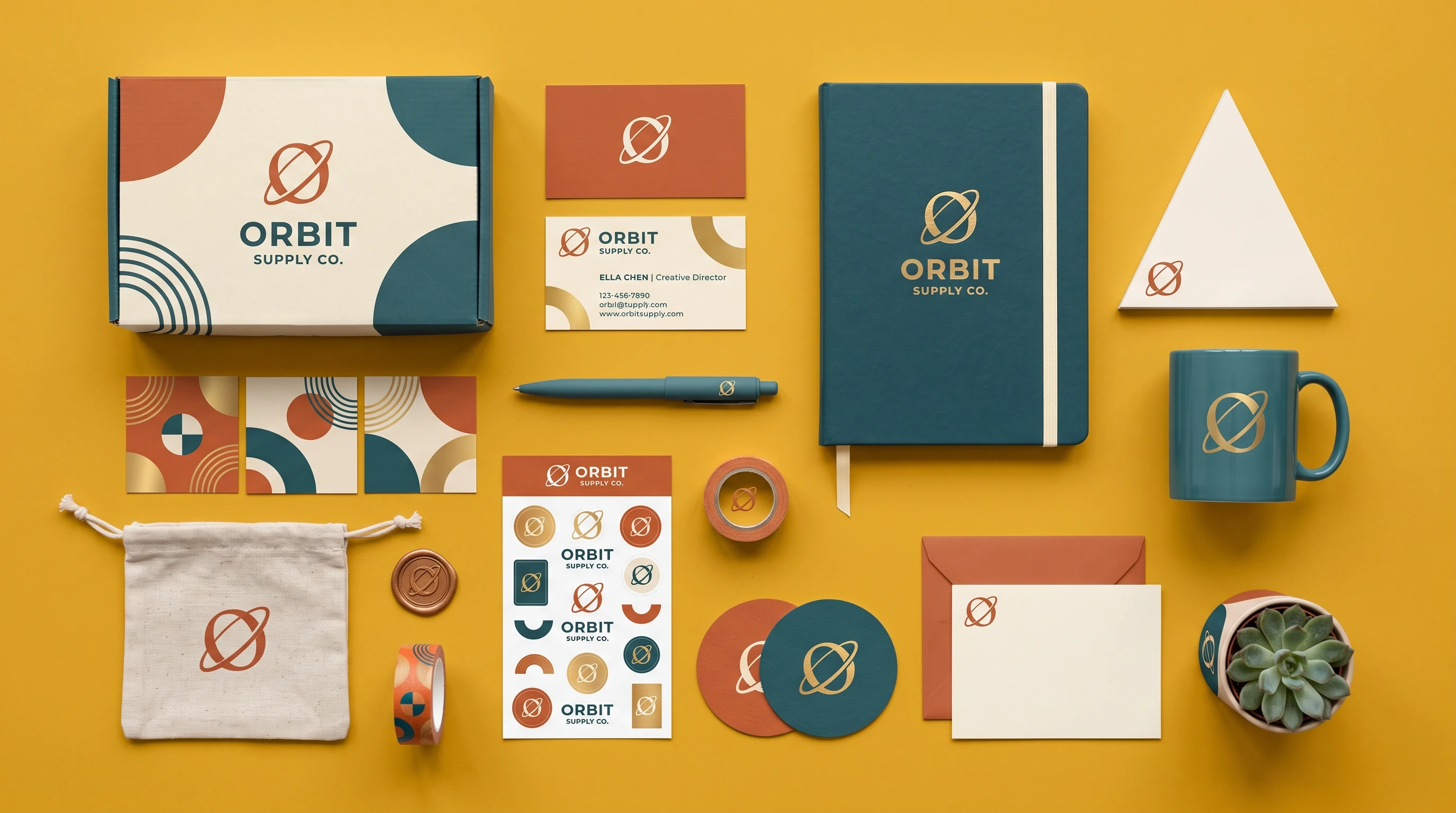
- Packaging: When your packaging is as welldesigned as your website, people notice. Unique bag or box designs can spark new interest and give your brand a “shareable” feel for social media.
- Social Content: Branded graphics and visuals on Instagram or TikTok help you show off your style, making it easier for others to remember or recommend you.
- Events And Swag: Even small touches like consistent tablecloths, business cards, or stickers make your brand easy to spot at busy events.
Frequently Asked Questions
How do I know if my brand design is working?
Keep an eye on feedback and see if people can describe your brand easily. Regularly check if your visuals look the same across all your platforms. If you keep hearing that your brand “looks cool” or “stands out,” you’re probably heading in the right direction.
Do I need to hire a pro designer to build a good brand?
Hiring a designer can help, especially for tricky things like logos or style guides, but there’s nothing wrong with starting with a simple template and evolving over time. Plenty of userfriendly tools exist for small businesses who want to experiment without a huge upfront investment.
Should small businesses care about brand design as much as big brands?
Absolutely. Even if your audience is just a local community or a niche market, a recognizable design builds trust quickly. You don’t have to spend a lot to look polished and intentional.
Improving Your Brand With Purposeful Design
A memorable brand is built on clear, consistent, and honest design. Paying attention to every element—from logo to packaging—creates experiences that people remember and share. Start by focusing on what’s unique about your business, and let that shine through in your style choices. Test, tweak, and don’t be afraid to refresh your look as you grow. With a little care and creativity, your brand’s design can help turn casual buyers into loyal fans.
If you’re thinking about revamping your design or starting from scratch, it’s worth tracking down some brand guides or logo inspiration boards online for ideas. Remember, a memorable brand design sticks because it feels real, looks sharp, and connects with people where it matters most.
Adding to that, don’t be afraid to ask people for honest feedback on your brand design, especially those who aren’t already familiar with your business. After all, fresh eyes can spot things loyal customers or team members may miss, and this insight can encourage new ideas or easy improvements. Finally, brand design isn’t something you set once and forget. Review your visual identity regularly, keeping up with what your audience connects to and what’s trending in your industry. It’s an ongoing part of shaping a standout, memorable brand—one that doesn’t just look great, but truly sticks with people long-term.