
Creating content that actually gets clicks, drives signups, and pushes sales is a real challenge for new affiliate marketers. I know this firsthand because when I got started, my early posts brought in barely any results, no matter how much effort I put in. The reality is that successful affiliate content balances value, trust, and smart placement without feeling pushy or spammy. If you want to build an audience and earn commissions, knowing what works, and what to avoid, can save you a ton of time and frustration.
Why Affiliate Content Conversion Matters
Affiliate marketing is one of those fields where the difference between a trickle of commissions and steady, growing income is often down to how well your content converts. Strong conversion rates mean you’re not just getting clicks, but actually turning those clicks into signups and sales.
A lot of affiliates focus only on traffic and forget that even small improvements in conversion rates make a big difference to your bottom line. For example, if your content gets 1,000 visits per month and converts at 1%, that’s 10 actions. Bumping that to 2% doubles your results without any extra traffic. So understanding and tweaking for conversion isn’t just a detail, it’s really important for sustained growth.
Understanding Your Audience
Effective content always starts here. Before you write a word, figuring out who your readers are and what they care about lets you create content that speaks to them and answers their needs.
Here are a few practical steps for getting inside your readers’ heads:
- Create Simple Personas: Who are they, what are they struggling with, and what solutions are they looking for?
- Look at Search Intent: Are they looking to buy, compare, or just learn? Tailor your content accordingly.
- Read Comments and Forums: Check niche forums or social groups. What questions come up often? Use this as inspiration for your content.
The more you understand their questions and pain points, the easier it is to write stuff that feels honest, helpful, and persuasive. These three things boost conversions.
Building Trust: Your Content’s Foundation
Trust is a big deal in affiliate marketing. Without it, people won’t click your links or buy anything.
These strategies help establish and keep trust:
- Be Transparent: Always disclose your affiliate relationship. It’s not just a legal thing; it actually builds more trust with your readers.
- Provide Real Value: Focus on helping, not selling. Offer in depth info, real experiences, and honest opinions rather than hyped up sales pitches.
- Use Evidence: Screenshots, case studies, firsthand results, and clear reasons why a recommendation is worth checking out make a big difference.
No one likes feeling tricked. When you’re straightforward and helpful, it makes your recommendations feel authentic, and people are more likely to take action.
Crafting Content That Converts: Step-by-Step Guide
Turning casual readers into buyers or subscribers takes more than just placing affiliate links all over the page. Here’s how I approach content creation for higher conversions:
- Start with a Strong Hook: Your intro should grab attention and quickly show that you’re solving a specific problem.
- Focus on Solutions: Explain how products actually help. Use simple language and avoid hype, get right to why it works and for whom.
- Use Clear Call-to-Actions (CTAs): Tell your readers exactly what to do next, whether it’s clicking a link, signing up, or learning more.
- Write for Scanners: Most people skim online. Use headings, bullet points, short paragraphs, and bold text to make content easy to digest.
- Link Internally: Point people to other relevant content on your site. This keeps them around longer and helps build more trust and authority.
Paying attention to each step makes your content feel helpful, and readers are more likely to take action.
Common Struggles for New Affiliate Marketers
I’ve seen a lot of beginners stress over low conversions. Here’s a quick look at typical hurdles and some ways to work around them:
- Choosing the Wrong Products: Sticking with random, unrelated offers or promoting low quality stuff hurts long term trust. Focus on products you actually like or have tested yourself.
- Poor Placement of Links: Buried links or stuffing too many in one post can both kill conversions. Place links after strong value, and keep it natural. Your reader should feel they’re a next step, not a hard sell.
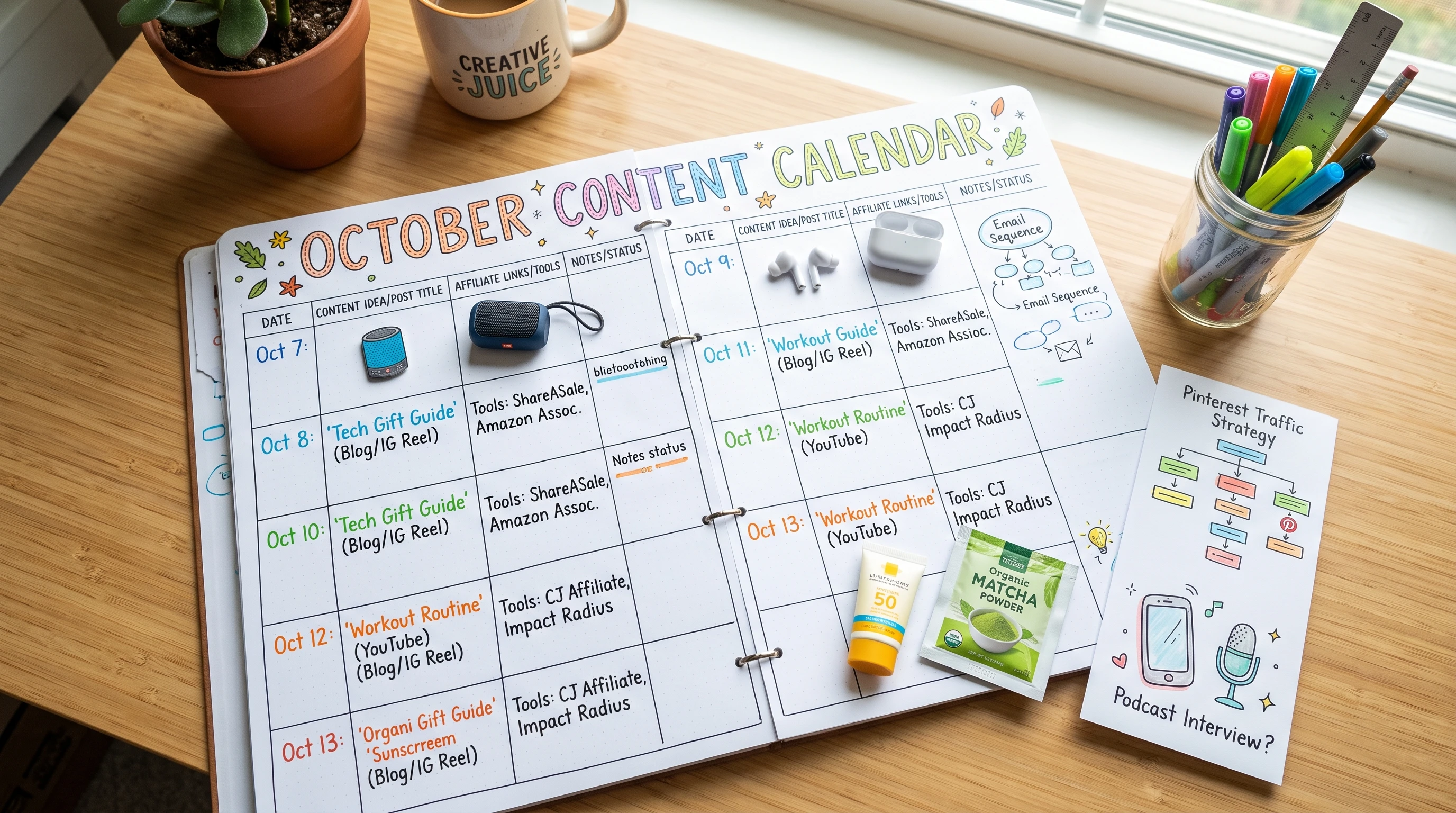
- Lack of Consistency: Sporadic posting means you never build real momentum or trust. Set a content schedule and stick to it if you want to grow.
- Overly Pushy Copy: If every sentence is stuffed with “buy now” vibes, readers bounce. Focus on educating and recommending, not hustling.
Choosing the Right Affiliate Offers
Matching your audience’s needs with the best fitting affiliate products is super important. Don’t just pick what pays the highest commission, pick what’s actually helpful to your readers. Sites like G2 and Trustpilot can help you check real reviews before you commit to promoting something. Reading genuine user experiences can give you better insight on whether the offer matches your audience.
Where to Place Affiliate Links
As a rule of thumb, your link should show up naturally where your reader expects it. This could be when you’ve fully explained how a product helps or shared a mini case study. Above the fold (early in the content) can work, but so can placing them lower down after you’ve built some value and trust. Always be sure the link naturally fits the flow of your article.
Advanced Hacks for Boosting Affiliate Content Conversion
Once you’ve nailed the basics, these tips can help you step up your results even more:
Test Different Headlines: The headline is the first thing people see, and a more specific or compelling headline can dramatically boost clicks and engagement. Try different versions for different posts and note which ones get more responses.
A/B Test CTAs: Try different words, colors, and button placements. Tools like OptinMonster let you run quick tests and zero in on what works for your crowd.
Showcase Comparisons: Product comparison posts, charts, or tables make decision making simpler for readers. These convert really well because they save people tons of research time.
Collect Email Addresses: Offer a quick guide or downloadable checklist in exchange for an email. This lets you follow up with offers and builds a direct line to your readers that isn’t controlled by search or social algorithms. Consider also using exclusive email-only bonuses as an incentive.
Examples of High-Converting Affiliate Content
There’s more than one way to design content that performs in affiliate marketing. Here are some popular formats that work for a broad range of niches:
- In Depth Reviews: Deep dives into a product or service with pros, cons, screenshots, and real results. Readers looking for reviews are generally closer to buying.
- Top 10 Lists: Roundups simplify choices for readers and offer several affiliate opportunities in one post.
- Tutorials and How Tos: Showing people how to use a product demonstrates value while keeping your affiliate links super relevant and helpful.
- Comparisons: Comparing two or more products side by side helps people quickly see the differences and pick what suits them.
Frequently Asked Questions
Here are a few questions I see a lot from new affiliate marketers:
Question: How long does it take to see results with affiliate content?
Answer: It varies. Sometimes posts convert within days, but usually it takes a few months to build traffic and trust. Consistent, helpful content speeds this up.
Question: How many affiliate links should I use in a post?
Answer: There’s no magic number, but focus on quality over quantity. Aim for 2–4 well placed links in an average article and only add more if it makes sense for your reader.
Question: What’s the biggest mistake to avoid as a beginner?
Answer: Relying on hypey, boilerplate sales language instead of honest, helpful advice. People are quick to spot a sales pitch, but they appreciate real guidance and personal experience.
Real World Gear for Content Creation
The tech and tools you use matter, but you don’t have to go wild with spending. Here’s what I find super useful for creating affiliate content:
- Reliable Laptop or Desktop: Fast enough for multitasking, editing graphics, and running SEO tools.
- Simple Editing Software: Canva or Photoshop for visuals, and Google Docs for writing and outlining.
- Keyword Research Tools: Ahrefs, SEMrush, or free tools like Ubersuggest to spot topics with traffic potential.
- WordPress or Website Builder: Quick and flexible for publishing your posts and managing links.
You don’t need a massive budget to get started. Plenty of new affiliates use just a laptop, free graphics tools, and a basic website to earn their first commissions. As your profits grow, you can add tools that improve your workflow and help you reach a broader audience, like email marketing platforms or more advanced analytics. Eventually, investing in better gear is worth it, but the most important thing at first is consistency and helpful content.
Get Started with Affiliate Content That Works
Building content that clicks with readers and converts can take some practice, but the results are well worth it. Focus on helping, not just selling. Test, tweak, and keep learning. Over time, you’ll figure out what your audience trusts and responds to, and from there, your affiliate revenue starts to grow a lot more reliably. Remember, step by step progress is better than burning out trying to be perfect from the start. Every well written article gives you another shot at building trust and earning commissions.