
If you’ve been checking out the world of affiliate marketing, you’ve probably come across a lot of jargon that can be confusing at first. From acronyms like CPC and CPA to marketing-focused words like conversion rate or cookie duration, the terms can pile up quickly. Figuring out what all these words actually mean makes it much easier to get started and succeed in the affiliate marketing space. I’ll walk you through the key terms you’re likely to see so you feel more confident managing your own affiliate adventure.
Introduction to Affiliate Marketing Terms
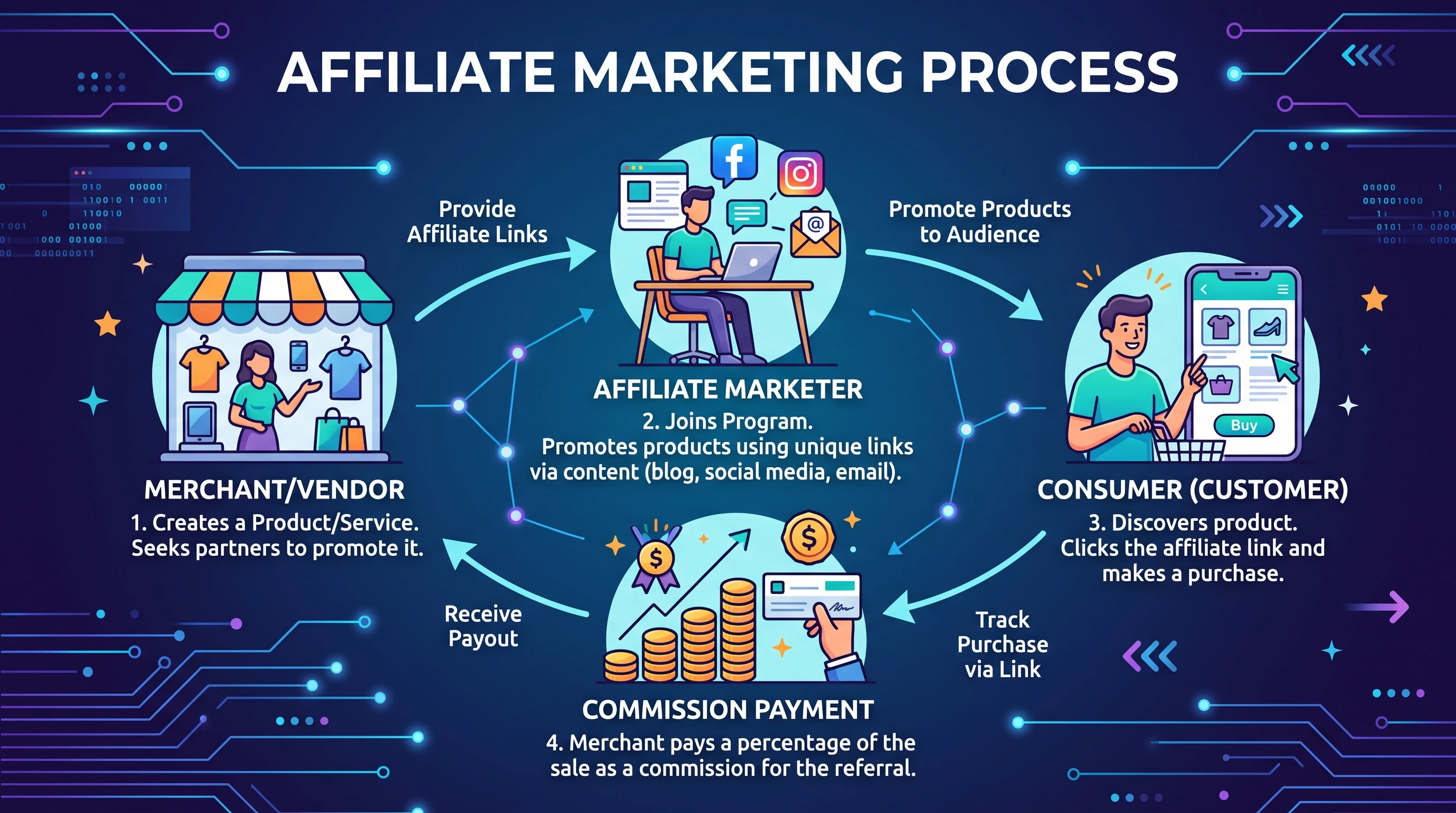
Affiliate marketing means promoting another business’s products or services in exchange for a commission when a sale or action happens. This method has gained major popularity because it can create passive income opportunities for individuals and help businesses reach a larger audience. Affiliate marketing isn’t hard to begin, but the terms—some unique to digital marketing—can look like a sea of acronyms. Knowing the language helps you communicate with merchants, track your progress, and understand payment details more easily.
The affiliate industry has turned into a huge online ecosystem. It now includes big retailers, niche bloggers, social media personalities, and comparison websites. Understanding the terminology is helpful, whether you want to join an affiliate program, launch a niche website, or track your results more closely.
Basic Affiliate Marketing Vocabulary
The list of terms can get pretty long, but there are a few you’ll come across everywhere you look.
- Affiliate: This is you (or anyone) promoting someone else’s product. An affiliate drives traffic to a merchant’s website using special links and earns a commission if an action happens, like a sale or sign-up.
- Merchant: Also called a vendor or advertiser, the merchant is the company that owns and sells the product. They create the affiliate program and pay commissions to affiliates who bring in sales or leads.
- Affiliate Link: This special URL tracks visitors sent by the affiliate. If someone clicks on it and acts, such as buying something, the affiliate is credited for that referral.
- Commission: This is the payment an affiliate gets for sending a successful sale, lead, or action. Commissions vary; some are a percentage of a sale, others are a flat fee.
- Conversion: Any action defined as a goal in an affiliate program, like a purchase, form submission, or newsletter sign-up. When people talk about conversion rates, they mean how many people complete these actions compared to the total clicks.
- Cookies: Small pieces of code track who clicks your affiliate links and how long your referral remains valid. The length for which a cookie tracks a user is called “cookie duration.”
The Main Types of Affiliate Marketing Payments
Payments in affiliate marketing come in a few flavors. Each model works a bit differently, so it’s helpful to know which one you’re working with.
- CPS (Cost Per Sale): You earn a commission when someone you send to the merchant makes a purchase. This is one of the most popular models; for example, Amazon Associates follows this structure.
- CPL (Cost Per Lead): Some programs pay when the referred visitor fills out a form, signs up for a trial, or submits their email—not just for sales. This setup is common for subscription services or SaaS products.
- CPA (Cost Per Action): Action can mean different things depending on the program. It could be a download, installation, or completing a survey. CPA generally covers more than just sales or leads.
- CPC (Cost Per Click): You get paid each time someone clicks through your affiliate link, regardless of what else they do. This model is less common compared to CPS or CPL, but you’ll still find some programs using it.
Common Performance Metrics in Affiliate Marketing
When tracking how well your affiliate efforts are going, a handful of metrics keep popping up. Here are some I check regularly and what each one means:
- CTR (Click-Through Rate): This measures the percentage of people who click your affiliate link compared to how many saw it. High CTR means your content and links are grabbing attention.
- EPC (Earnings Per Click): This is the average amount you earn for each click on your affiliate link, calculated by dividing your total commission by total clicks. It’s an extremely useful stat for measuring real link value.
- Conversion Rate: Shows how many of your referrals turned into actual customers or leads. To calculate, divide the number of conversions by total clicks and multiply by 100.
- Impressions: The number of times your affiliate links or banners are shown to people. This often gets paired with CTR to measure effectiveness.
- Reversal Rate: Some sales may get canceled or refunded, which means the commissions for those are reversed. Keeping an eye on reversal rate can help you spot potential issues with traffic quality or trustworthiness of some merchants.
Quick Reference: Affiliate Marketing Acronyms and What They Mean
Affiliate programs love their acronyms. Here are the abbreviations you’ll see a lot, plus a quick definition for each:
- AOV (Average Order Value): The average dollar amount per sale generated through your affiliate link.
- ROAS (Return On Ad Spend): Measures how much money is earned for every dollar spent on advertising (often relevant if you’re using paid ads for affiliate marketing).
- ROI (Return on Investment): How much money you make compared to what you spend on content, advertising, software, or other affiliate marketing expenses.
- API (Application Programming Interface): Not strictly for beginners, but some networks provide APIs so advanced users can pull stats and update content automatically.
What Is a Cookie Window (or Cookie Duration)?
Cookie window or cookie duration is about how long after clicking your affiliate link a referral remains valid. If someone clicks today but buys two weeks later, will you still earn a commission? That depends on the cookie window. Some merchants set this as short as 24 hours, while others go for 30, 60, or even 90 days.
Having a longer cookie window gives you much more chance to get credit for purchases made after a delay. When comparing affiliate programs, I always check this feature because it can make a big difference in your total earnings.
Tips for Beginners: Choosing and Joining Affiliate Programs
Once you know the terms and models, you might wonder how to actually pick and join an affiliate program that fits your goals. These pointers can help smooth the way:
- Review Commission Models: See if you’d rather earn per sale (CPS), per lead (CPL), or another method. Your choice may depend on your audience and niche.
- Compare Cookie Durations: Longer durations can mean more commissions, especially for products with a long buying process.
- Read the Program Terms: Some merchants have rules about where you can post links or set specific requirements for attribution.
- Check Payment Thresholds: Many programs set a minimum earning level before you get paid, so make sure that threshold works for you.
Affiliate networks such as ShareASale, Rakuten, and CJ Affiliate manage many merchants in one place, making it simple to apply and find new programs. Networks also help you bring together your reporting and support in a single dashboard.
Challenges for Affiliate Marketing Beginners
Affiliate marketing isn’t really a “get rich quick” option, and it brings a few early hurdles. Here are some challenges I’ve run into or heard most commonly:
- Slow Early Earnings: It generally takes some time to get enough traffic or to find offers that really work for your audience.
- Program Rejections: Some merchants and networks want you to have a website or existing audience before you can join.
- Understanding Program Rules: Rules about brand bidding, PPC advertising, or email marketing can be tricky at first. Not following them sometimes leads to lost commissions.
- Tracking and Attribution Issues: Occasionally, sales don’t track as expected due to ad blockers, cookie troubles, or your cookies getting overwritten by other affiliates. Being sure to use trusted networks and double-checking your links can help.
Staying Up to Date With Affiliate Marketing Terms
The world of affiliate marketing moves fast, and new buzzwords show up all the time, especially with privacy updates and new ad platforms. Staying sharp by following popular affiliate blogs or forums means you won’t end up surprised by fresh rules or changes.
Real-World Examples of Affiliate Marketing Terms in Action
Say you join a tech affiliate program with a 30-day cookie window and a 5% CPS commission. Someone clicks your affiliate link while reading your review post, then visits the merchant’s site. Three weeks later, that person returns to buy the product. Thanks to the long cookie duration, you’re credited for the sale. You check your dashboard: Impressions show you how often your banners were seen, CTR tells you your post is getting attention, and monitoring your EPC shows if your content is getting decent earnings per visitor.
- Comparison websites: These often focus on niches like web hosting or VPNs. Knowing terms like CPA and cookie duration will help you pick the best programs for recurring content.
- Social media affiliates: If you’re plugging products on Instagram or TikTok, look for programs that allow social media links and use short, easy-to-share URLs. Many use CPC or CPL models for quick engagement.
Frequently Asked Questions
People new to affiliate marketing usually have the same initial questions that popped up for me, so here are some quick answers:
What’s the easiest way to track my affiliate earnings?
Answer: Use the built-in dashboards from your affiliate networks. These typically display clicks, earnings, conversion rates, and reversals all in one spot. Many also let you export data for more detailed analysis.
Can I use affiliate links on social media?
Answer: Many programs allow it, but it’s best to check each platform’s rules along with the program’s terms. Using a link shortener usually helps keep your URLs tidy.
Do I need a website to be an affiliate?
Answer: Some programs do require a website, but others—especially those aimed at influencers—are fine with just a social media presence.
Taking the Next Steps in Affiliate Marketing
Learning affiliate marketing terminology helps you start off right, spot better programs, and avoid mistakes that could slow your progress. The more you explore program terms and experiment with various campaigns, the easier you’ll find it to decode this jargon—and the more enjoyable it becomes to build income streams around your interests and audience.
Affiliate marketing isn’t only about memorizing acronyms; it’s really about putting this knowledge to work, making smart choices, and growing your earnings over time. Keep exploring, try different types of programs, and ask questions—rewarding results are closer than you think!