
Mobile marketing is one of those areas where small businesses can see some really solid returns if they play their cards right. With just about everyone glued to their phones these days, reaching folks where they spend most of their digital lives can mean way more engagement, leads, and sales for even the smallest shops. There are a lot of mobile marketing tools out there making big promises. Narrowing things down can be tricky. I’ll help you figure out which ones are actually worth a look for maximizing your ROI, saving your time, and giving your business a real boost.
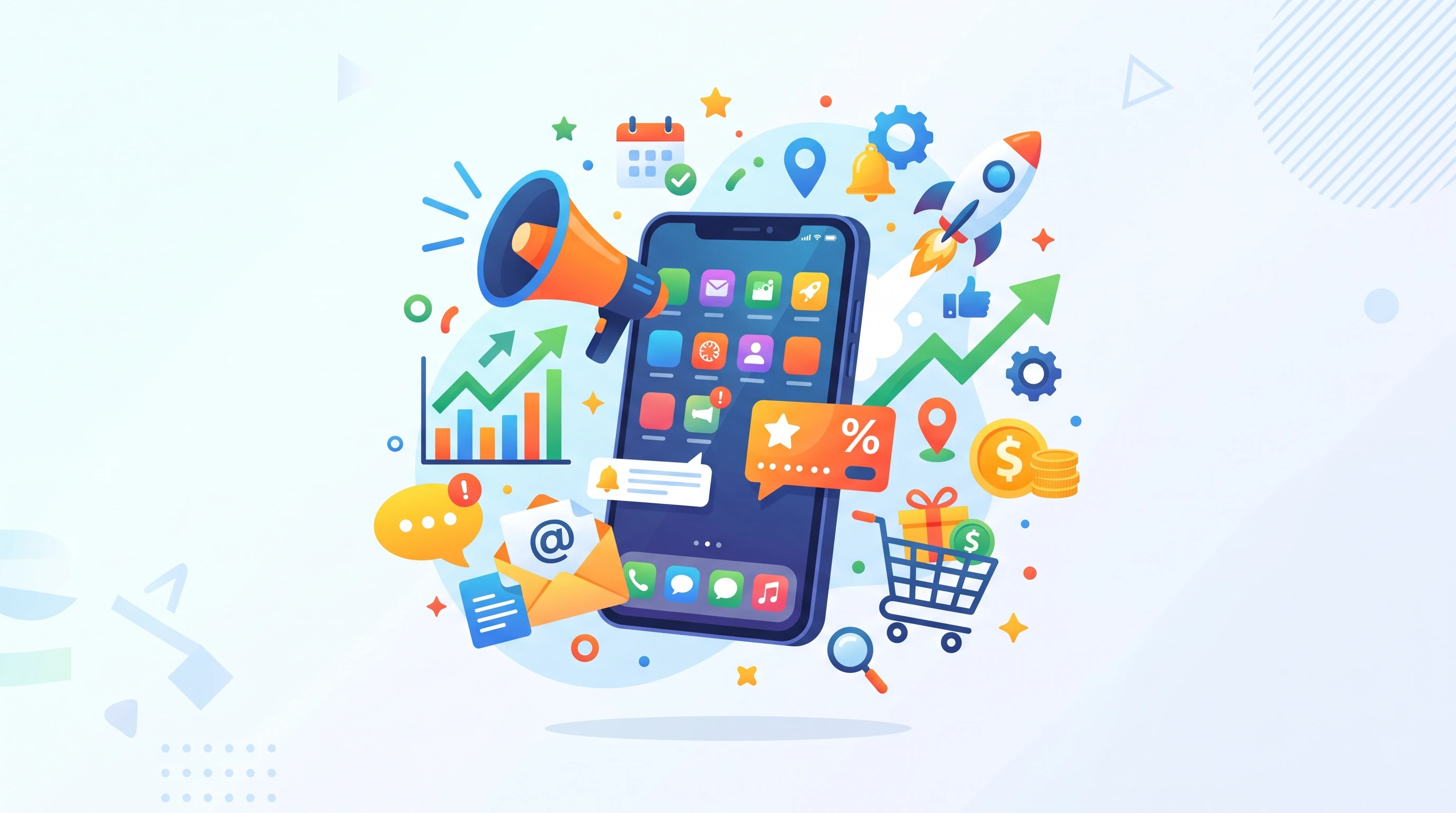
Why Mobile Marketing Matters for Small Businesses
The massive switch to mobile isn’t just some blip on the radar. Recent stats show that well over half of all web traffic now comes from mobile devices. Apps, SMS messages, and mobileoptimized ads grab attention fast. For small businesses trying to compete with bigger brands, using mobile marketing tools can even things out and help connect directly with customers who are quick to get involved via their phones.
Mobile campaigns are often less expensive, can be automated to save you tons of time, and keep your brand top of mind with real-time alerts, deals, or reminders. Plus, you get pretty detailed analytics to see what’s actually working. Small businesses that get into the mobile marketing game usually notice an uptick in sales and repeat business, all without a giant marketing budget.
But it’s not just about sending messages. With the right tools, you can run polls to collect feedback, offer instant win contests, or even deliver loyalty cards straight to someone’s digital wallet. These interactions are what keep your brand memorable in the sea of notifications people get every day.
The Core Types of Mobile Marketing Tools
There’s a solid mix of mobile marketing tools out there, and each type brings something a little different to the table. Here are the main players to think about if you want to stretch your marketing dollars further:
- SMS Marketing Platforms: Tools that let you send out texts for promos, alerts, or reminders in just a few clicks.
- Mobile Advertising Networks: Services that help place your ads in apps, games, or mobile websites where your dream customers actually scroll.
- Mobileoptimized Email Services: Email platforms that make sure your newsletters and promos look perfect (and clickable) on any phone.
- Push Notification Tools: Perfect for apps or progressive web apps, allowing you to pop up quick deals or updates right on the user’s lock screen.
- App Builders and Loyalty Platforms: Solutions that help whip up a branded app or digital loyalty programs without needing to code.
Picking the right mix depends on your budget, what makes sense for your audience, and how much hands-on effort you want to put in.
Top Mobile Marketing Tools Worth Checking Out
Some mobile marketing platforms are built with small businesses in mind. These are the ones I think hit the sweet spot between features, flexibility, and cost:
- SlickText: SMS marketing made simple. If you want to send out flash sales, appointment reminders, or build a textbased loyalty club, SlickText is very userfriendly and comes with great analytics.
- Mailchimp: Known for email, Mailchimp’s mobile templates and automation options make sure your campaigns look sharp and load fast on smartphones.
- Google Ads (Mobile Campaigns): With options for mobile search, inapp ads, and retargeting, Google Ads makes it simple for even smaller shops to show up when and where mobile customers are searching.
- Pouch: If you want to launch a basic loyalty program with a builtin rewards system, Pouch is a super easy way to join the digital loyalty game. Perfect for restaurants and retailers.
- OneSignal: For businesses with their own app, OneSignal helps send personalized push notifications without needing a dev team. You can segment audiences for super relevant offers.
I’ve tested several of these myself and was impressed at how little time it took to get results, even with a small list or modest ad budget. Each one offers tutorials so you don’t have to be a tech expert to get started. If you’re not sure you’ll stick with one long term, check if they offer a free trial or entry-level package before committing.
Getting Started Without Getting Overwhelmed
Getting into mobile marketing feels less stressful if you start small and keep a clear goal in mind. Here’s where I suggest new users begin:
- Pick One Tool to Test: For many, SMS campaigns or a simple loyalty platform offer the fastest visibility. There’s no need to go all in on every tool from day one.
- Connect with Your Existing Customers: Import your current email list or ask loyal customers to opt in for texts or app updates. Don’t forget to follow privacy best practices.
- Launch a Quick Campaign: Try a oneweek flash sale, birthday reward, or appointment reminder to see how customers respond.
- Track Everything: Most tools will show you open rates, clicks, or sales tied to a campaign. Use these basics to decide if it’s worth another go or if you need to tweak your message.
Being practical and keeping things focused makes it way easier to build up your ROI steadily. There’s no need for a huge investment up front. Even trying out just a single feature like birthday promos or welcome messages can get your feet wet and deliver great insights.
Common Mobile Marketing Challenges for Small Businesses
With all the convenience and reach mobile marketing offers, there are still a few roadblocks small businesses run into pretty often.
- Cutting Through the Clutter: People get a ton of notifications and messages. Crafting content that really pops is important if you want your promos to get noticed.
- Compliance and Privacy: Sending texts or notifications without proper consent can get you into trouble. Most good platforms help with optins, but it’s always smart to doublecheck.
- Learning Curves: Some platforms try to pack in too many features. If a dashboard looks confusing, watch some tutorials or start with a simpler option like basic SMS.
- Device Compatibility: Make sure your campaigns actually look good on both Android and iOS devices, and test different screen sizes too.
Most of these issues are easy to get around once you’ve spent a bit of time tinkering with your chosen tools and paying attention to customer feedback. Often, looking around at competitor campaigns or asking your loyal customers what they prefer will teach you a lot about what actually lands with your audience.
Crafting a Standout Mobile Message
Sending out a message isn’t enough. It needs to feel personal and genuinely helpful if you want folks to get involved. Keep these pointers in mind:
- Write like a human, not a robot. Skip the jargon and get right to the point.
- Use customer names if possible; it makes a difference.
- Keep it concise. People scan texts and notifications, so don’t bury your message at the bottom.
- Include a clear call to action, like a clickable coupon or link to shop now.
Experiment with emojis or friendly greetings to keep things lively, and always respect the user’s preferred contact times.
Advanced Moves: Getting More Bang for Your Buck
When you’re ready to go beyond the basics, there are a few nextlevel cool tricks most small businesses can pull off, even with limited time.
- Automated Drip Campaigns: Schedule a series of texts or emails to welcome new signups, send reminders, or reengage old customers. Automation can save you a bunch of manual work.
- LocationBased Marketing: Some SMS and ad platforms allow geotargeting, which means you can ping users near your brick and mortar store or at certain events.
- Segment Your Audience: Most tools let you sort lists into segments (like VIP customers or firsttimers), then send more relevant offers to each group.
- A/B Testing: Try out two different versions of a text or push notification to see which one performs better before blasting it to your whole list.
Mixing these simple strategies into your routine helps stretch your marketing dollars and gives a boost to engagement without much extra effort. With careful use of these approaches, small businesses can find new ways to wow their audience and keep them coming back.
Real-World Examples You Can Use
- Coffee Shop: A small cafe used SMS to send weekdayonly coupons, boosting slow morning sales by over 30% in their first two months.
- Local Boutique: With a loyalty app, one boutique tracked purchases and awarded digital stamps, keeping regular shoppers coming back for exclusive discounts.
- Service Provider: A pet groomer used appointment reminders with a quick “Confirm Your Time” link, cutting no-shows by nearly half.
These examples show that even without nationwide reach, small brands can make a pretty noticeable impact just by using the right mobile marketing tools. Many local businesses have also found success by partnering with nearby stores for joint campaigns, sharing lists and increasing engagement for both shops.
Frequently Asked Questions
Question: How quickly can I see results from mobile marketing tools?
Answer: Some businesses notice a spike in responses within days, especially with SMS or limited-time deals. Email and loyalty programs can take a little more time, but you’ll usually spot trends after a handful of campaigns.
Question: Are these tools too expensive for really small businesses?
Answer: Many platforms offer free tiers for the first few hundred contacts or messages, and pricing often scales as your list grows. It’s easy to start small and work up as you find what fits.
Question: Can I manage mobile campaigns without hiring anyone?
Answer: Absolutely. Most tools today are made with small business owners in mind, so no tech wizardry needed. There are help guides, video tutorials, and customer support teams if you get stuck.
Getting the Most from Your Mobile Marketing Investment
Maximizing ROI with mobile marketing tools doesn’t mean doing everything at once. Focus on the basics, pick platforms that match your needs and budget, and then keep an eye on the data. When you see what works, double down. The ability to meet customers right where they are opens up so many new possibilities, and even a small tweak can mean bigger returns in no time. Mobile isn’t just the future; it’s where your customers are right now. Small businesses can win big by staying agile and giving mobile marketing tools a proper try.