
You can send a daily newsletter and be tied to your desk every day, or you can write five short sequences once and let them run for every new subscriber. A sequence is a set of emails that your platform sends automatically, starting from the day each person joins. Someone who signs up at 3 a.m. on a Sunday gets the same first email within minutes, and you don’t have to be awake.
This article assumes you already have a platform and a small list. If you are still at the list stage, building your first profitable email list from scratch covers it. What follows is the writing and logic of email automation sequences for affiliate marketing: five sequences, what each email is for, and how to tell whether it earns.
Why a handful of automated emails can out-earn a daily newsletter habit
A daily newsletter has to be good every day, and its readers see each issue once and then it sinks down their inbox. A sequence is written once and carefully, then reaches every new subscriber at the moment they are paying the most attention: right after they sign up.

Automated sequences also hold your best material. Your strongest explanation of a product, your clearest answer to a common question and your most useful tip stay in circulation instead of expiring after one send.
The order below is the order to build them. The welcome series comes first because every subscriber passes through it, so it reaches the largest audience. The recommendation sequence in the middle is usually where the commissions come from, and the follow-up sequence tends to earn the most per person. Build all five over a few weeks, one at a time.
Sequence 1: The welcome series that earns trust before it asks for anything
The welcome series is three emails over about a week. Its job is to make sure the next email you send gets opened.
Email 1, sent immediately. Say who the emails are for, what the site covers and what the subscriber will receive, and how often. For a Digital Marketing site aimed at people who want to work for themselves, that might mean practical guides on earning online and the occasional tool recommendation. Mention that last part now. A subscriber who was told recommendations are coming is not surprised when they arrive.
Email 2, sent a day or two later. Give one useful thing with no link to a product: a short how-to, a checklist, or your best article on a problem beginners hit early. This email shows what your emails are worth reading for.
Email 3, sent a few days after that. Ask one question, such as “What are you trying to make work right now?”, and invite a reply. Replies tell you what to write about, and they are the cheapest market research available.
Keep these emails short. A welcome email that runs 800 words is a lecture for someone who barely knows you.
Sequence 2: Delivering your lead magnet and pointing to the next step
Whatever people signed up for, whether a checklist, a template or a mini-guide, they should get it right away. The delivery email has one job: put the link to the file in front of them. Make the subject line say what it is (“Your checklist is inside”), put the link near the top, and keep everything else brief.
The second email in this sequence goes out two or three days later and does the real work. It asks whether they used the lead magnet and points to one next step. That step can be a related article, or a tool that does what the lead magnet describes at a larger scale. If your lead magnet is a checklist for setting up a blog, the natural next step is the hosting or tool you would use to finish the setup.
Run this sequence before the welcome series or alongside it, but don’t send both at once. If someone gets a welcome email and a delivery email within the same minute, let the delivery email go first and start the welcome series a few hours later. Most platforms let you set that delay.
Sequence 3: The affiliate recommendation sequence (story, proof, offer, reminder)
This is where the selling happens. It is four emails over about a week, all about one product that solves one problem your readers have. Sending four different products in four emails splits attention and answers no question properly.

Email 1, story. Describe the problem in the reader’s own terms: the hours lost, the thing that keeps failing, the task they keep postponing. If you have used the product and the story is about what happened, tell it. If you haven’t, tell the problem story from the reader’s side and don’t borrow an experience that isn’t yours. Readers can tell the difference, and so can anyone who clicks through and compares notes.
Email 2, proof. Show why the product works. Good proof includes screenshots of the features you are describing, results the vendor publishes (attributed to the vendor), and a plain description of what the product does and doesn’t do. Put the limitations in here. An email that says who the product is not for earns more trust than one that says it is for everyone.
Email 3, offer. Now ask. Give one link, one clear statement of what the reader gets, the price if it is published, and a disclosure that you earn a commission if they buy through your link. Put the disclosure near the link, in plain words, and check the rules for your country and your affiliate program. If the vendor has a real discount or deadline, state it exactly as the vendor does. If it doesn’t, don’t create one.
Email 4, reminder. Send this two or three days later. Answer the most common objection (usually price, time or “will this work for me”), repeat the link, and stop. Sometimes the reminder out-earns the offer, because many people meant to click the first time and didn’t get to it.
After the fourth email the sequence ends, and the subscriber goes back to normal content. Running a sales sequence forever turns your list into an advert.
Sequence 4: Following up with people who clicked but didn’t buy
A click on an affiliate link is a strong signal: that person looked at the product. Most email platforms can tag subscribers who clicked a specific link, and that tag starts a follow-up sequence. If you have not used tags and segments before, how to segment your email list walks through the setup.
One limit to plan around: your email platform usually can’t see whether the person bought, because the purchase happens on the vendor’s site. Unless your affiliate network offers a way to pass that information back, you are following up with everyone who clicked, and some of them already bought. Write the emails so that doesn’t matter. Open with “If you’re still weighing up [product]” and not with “You haven’t bought yet.”
Two emails are enough:
- A question-answering email, sent a day after the click. Take the three most common questions about the product, such as cost, how long setup takes and what happens if it doesn’t suit them, and answer them directly.
- A comparison or alternative email, sent three or four days later. Some people click because they are shopping around. Give them an honest comparison, including the case where a different option fits better. If you also hold an affiliate link for that alternative, the same disclosure applies.
Both emails go only to the people who clicked, so they are short and specific. They also show you which products your readers are actually considering.
Sequence 5: Waking up the subscribers who’ve gone quiet
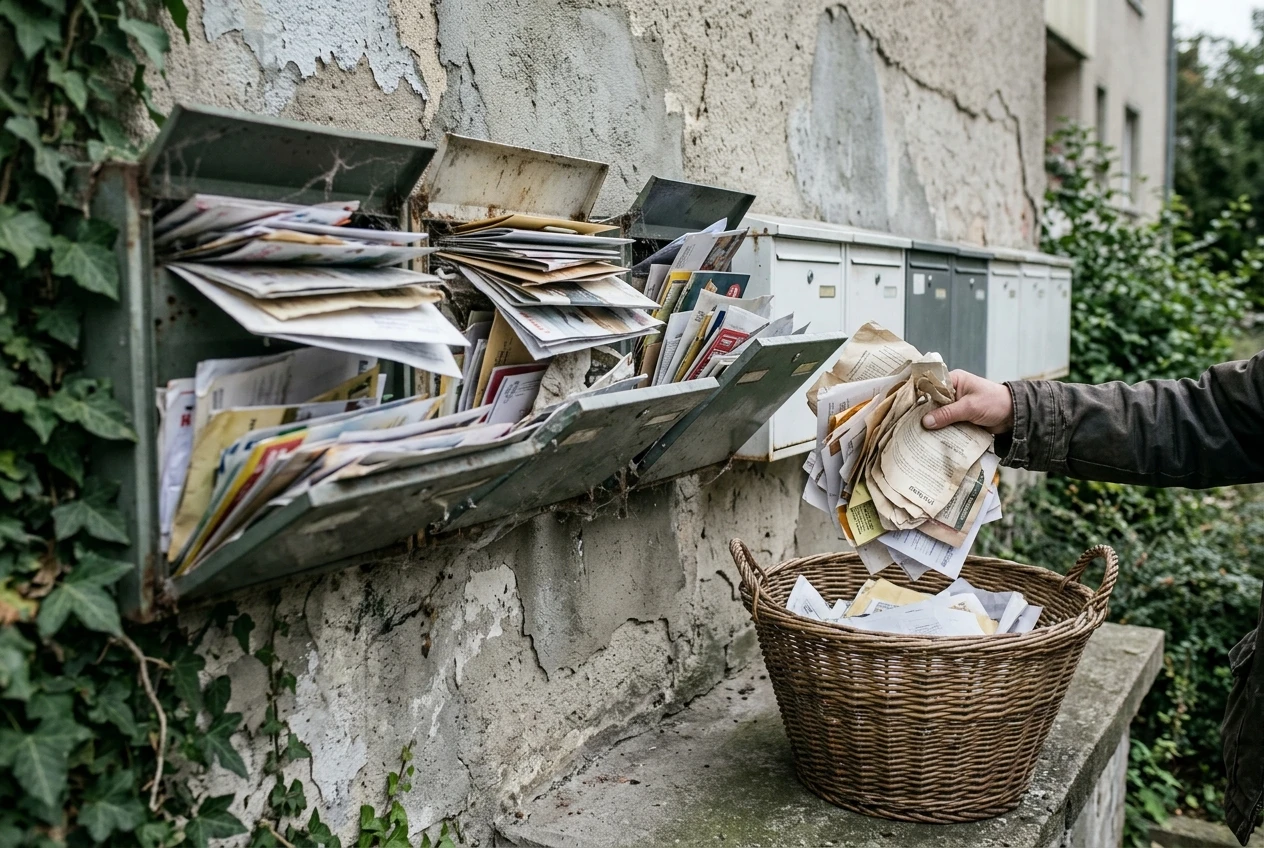
Every list collects people who stop opening. The re-engagement sequence gives them one fair chance to stay and then removes them if they don’t take it.
Define “quiet” with a number your platform can measure, such as no opens or clicks in 60 or 90 days. The right window depends on how often you send, so a list that gets two emails a month needs a longer window than one that gets two a week.
Send two or three emails:
- The check-in. A short, friendly email with a plain subject line like “Still want these?” Say what you cover, and ask them to click a button to stay.
- The best-of email. Send your most useful piece of content from the last few months, with no sales pitch attached.
- The goodbye. Tell them you will stop sending email unless they click. Then do it.
Removing the people who don’t respond feels like losing subscribers, but it costs you nothing in sales, since they weren’t opening anyway. It also tends to keep your list healthier, and some platforms charge by list size, so sending to people who never read your mail can raise your bill for no benefit. Keeping consent records and honouring removal requests also matters; the importance of data privacy and consent covers why.
How to tell which sequence is paying for itself, using three numbers
You don’t need a dashboard full of metrics. Three numbers tell you which sequence works.
- Click rate on the links in the sequence. Of the people who received the email, what percentage clicked the link? If nobody clicks, the problem is in the email: the subject, the copy or the offer. If people click and nobody buys, the problem is usually the product or its landing page.
- Commission earned per subscriber who entered the sequence. Take the commissions from that sequence over a period and divide by the number of people who went through it. As a made-up example, if 200 people entered the recommendation sequence and it produced $120 in commissions, that’s $0.60 per subscriber. This is the number that compares sequences with each other, and it tells you what a new subscriber is worth to you.
- Unsubscribe rate per email. A rising unsubscribe rate on one particular email tells you where the sequence loses people. If email 3 of the recommendation sequence has a much higher rate than the others, the offer is probably too pushy or too early.
Check these numbers once a month, not once a day. A sequence needs a few hundred recipients before the figures mean anything, and with a small list you may need to wait several months. If you have an analytics tool installed, Google Analytics without the headache helps you see what people do after they click through to your site.
When you find the weak email, change one thing in it (the subject line, the opening paragraph or the link placement) and wait for the next batch of subscribers before changing anything else. Changing three things at once tells you nothing about which one worked.

Mistakes that make automation feel robotic, and how to keep it human
Automation fails when readers can tell nobody is writing to them. These are the common causes and their fixes.
- Every email reads like a sales page. Mix in emails with no link at all. In the welcome series, at least two out of three should contain nothing for sale.
- Emails that ignore what the subscriber already did. If someone clicked and bought, they shouldn’t get the reminder. Use tags to remove people from a sequence once they have acted.
- Fake urgency. “Only 3 spots left” on a digital product with unlimited supply is a lie that readers recognise. Use a deadline only if the vendor really has one.
- No reply path. Send from an address a person can reply to, and read the replies. A “no-reply” sender address tells subscribers you don’t want to hear from them.
- Nobody reads the sequence after it’s written. Subscribe to your own list with a spare address once every few months and read what arrives, in order. Broken links, outdated prices and references to a product that has changed are easy to spot from the receiving end.
- Over-polished copy. Write the way you would explain it to one person across a table. A slightly informal email with one clear point outperforms a formal one with five. A little humour helps, as long as it doesn’t get in the way of the point.
Your next step: write the first email of the welcome series this week
Pick one sequence from the five, the welcome series, and write its first email this week. It takes under an hour: who the emails are for, what they’ll get and how often, signed with your name. Set it to send immediately on signup, switch it on and move on to email 2 when you next have a spare hour.
If you are still choosing a platform, start with the comparison of five email marketing platforms before building anything, since sequences are not always easy to move between tools.