
If you’re looking to start making money online but don’t want to worry about creating your own products, affiliate marketing is worth checking out. This beginner’s guide will break down the basics of affiliate marketing, explain how it works, and help you avoid common missteps. I’ll walk you through key steps, useful tips, and real-world basics so you feel confident giving affiliate marketing a shot.
What is Affiliate Marketing and How Does It Work?
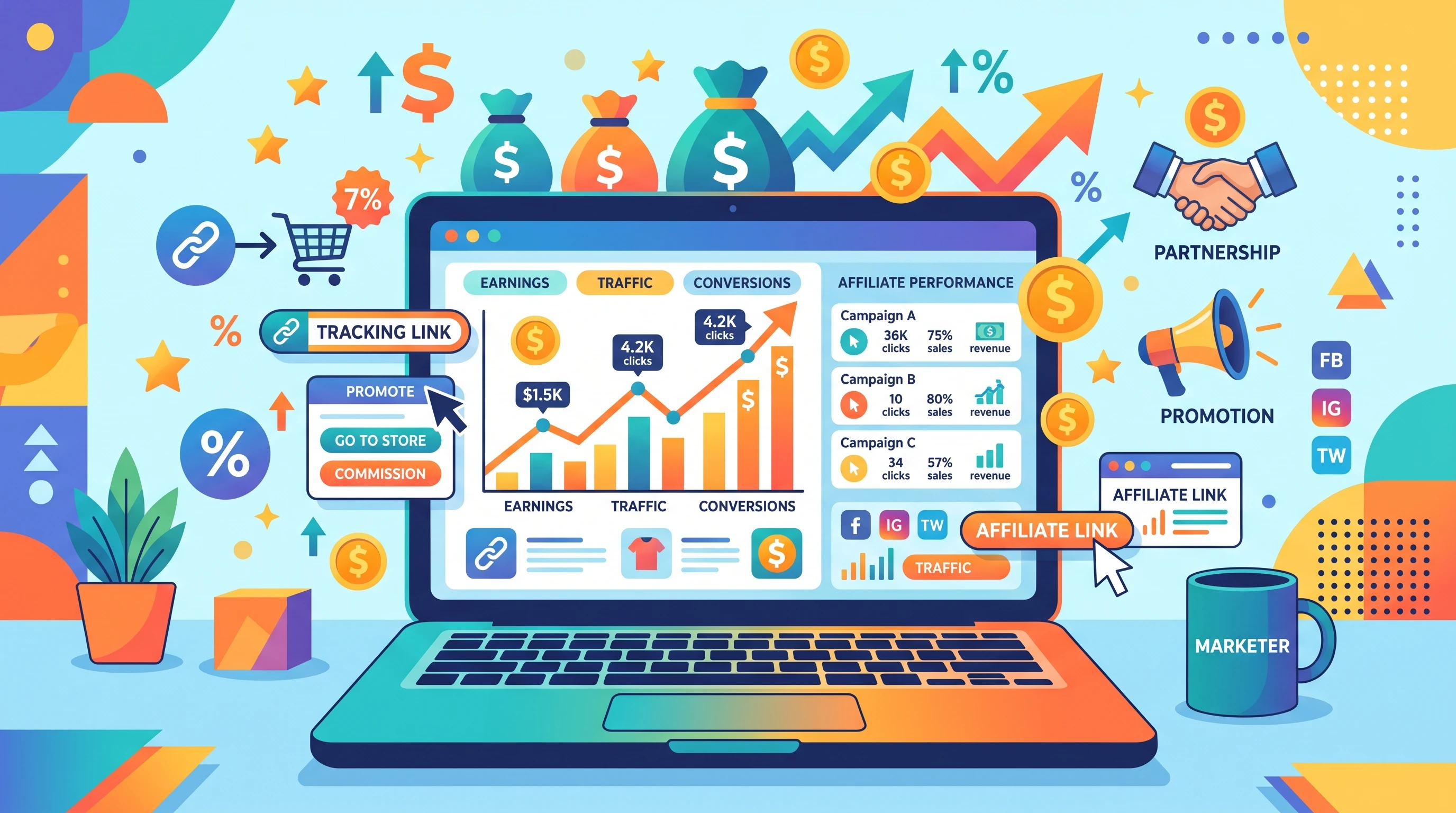
Affiliate marketing is a type of online marketing where you earn a commission by promoting someone else’s product or service. Basically, you sign up with a company as an affiliate, share special tracking links, and get paid when people you refer make a purchase or take another wanted action.
The really cool thing about affiliate marketing is that you don’t need to handle shipping, deal with inventory, or worry about customer service for the actual product. Your focus is on sharing those links through blogs, videos, social media, or even email newsletters. If someone clicks your link and ends up buying, you earn a commission. The business or product owner handles the rest.
Companies like Amazon, Walmart, Shopify, and hundreds of others run affiliate programs you can join. Payment is usually based on the number of sales, but sometimes you get paid for leads or clicks, depending on the program.
The Main Players in Affiliate Marketing
Understanding the moving pieces helps everything make more sense as you get started. Here are the key roles in an affiliate marketing setup:
- Merchant (or Advertiser): This is the company selling the product or service. They create an affiliate program and pay people to help sell their stuff online.
- Affiliate (that’s you): The person or website owner who promotes the company’s stuff and gets paid for any action (like a sale or signup).
- Customer: The person who clicks on the affiliate link and buys or signs up.
- Affiliate Network (sometimes): A middleman that helps manage affiliate programs, track sales, and pay out commissions. Not every affiliate setup uses a network, but big ones like ShareASale or CJ Affiliate do.
Most of the time, you’ll just need to sign up for an affiliate program, get your links, and start spreading the word. But it’s pretty handy to know these roles, so you see where you fit in.
How to Start in Affiliate Marketing (Step-by-Step)
Setting up your path in affiliate marketing boils down to a few core steps. Here’s how to kick things off if you’re brand new:
- Pick a niche: Choose a topic or area you’re interested in. This makes it easier to create content and stick with it. Popular niches include health, tech, beauty, and personal finance.
- Find affiliate programs that fit your niche: Search for companies that offer affiliate programs related to what you want to promote. You can look on company websites for links that say “Affiliates” or “Partners,” or check platforms like Amazon Associates or ClickBank.
- Sign up and get your custom affiliate links: Most programs have a fast approval process. Once you’re approved, you’ll get special tracking links to use.
- Create content or find your audience: Start a blog, YouTube channel, podcast, social account, or email list. Share useful info, honest reviews, tips, or demonstrations—whatever fits your style and the audience you want to reach.
- Share affiliate links with your content: Add the tracking links to your articles, videos, or posts. Be upfront and tell people you are using affiliate links. It’s smart and builds trust.
- Track performance and tweak your approach: Use analytics provided by your affiliate program and your platform (like Google Analytics) to see what’s working. Stick with what brings results and test new ideas as you go.
Building up real earnings takes time, but you’ll learn a ton. Eventually, things start to snowball if you keep at it. Make a habit of checking what’s working and mix in some variety in your strategies.
Big Things to Know Before You Get Into It
Before spending hours on building up your affiliate marketing presence, there are a few super important things to keep in mind. These common hurdles can trip up beginners, but knowing about them upfront makes things easier:
- Not all products are created equal: Some pay bigger commissions, but may not actually sell that well. It’s worth trying different offers and seeing what your audience responds to.
- Disclosure matters: You’re legally supposed to disclose affiliate relationships. Making it clear helps people trust you and keeps you compliant with FTC rules.
- The value of good content: Content that helps, entertains, or solves a problem is what gets people to click, trust you, and convert. Hard selling is less effective than being genuinely helpful.
- Commissions can change: Programs can change rules, cut commissions, or even close down. Avoid putting all your effort behind one affiliate program and switch things up where you can.
Thinking about these things early helps you avoid a few headaches down the road. If you’re careful about picking products, delivering real value, and staying transparent, you’ll build long-lasting relationships with your audience.
Commission Rates and Payout Thresholds
Different programs pay out at different rates, and some have minimum thresholds before they’ll send you your earnings. Amazon, for example, pays between 1% and 10% depending on the product category. Other programs pay much higher, but might be in more specialized or competitive niches. Always skim the program’s rules before getting too invested. Along with that, make sure you know whether payouts are monthly, biweekly, or after you hit a certain dollar amount.
Affiliate Program Restrictions
Some affiliate programs have strict approval requirements or don’t allow certain types of promotion, such as paid search ads or using their brand in your domain name. Reading the terms of service will keep things stress-free and protect you from losing out on commissions. If you’re uncertain about anything, check in with the affiliate manager for clarification.
Tips For Increasing Affiliate Sales
Getting clicks is only part of the challenge. Turning those clicks into real sales or signups makes the real difference. Here are some tested ways I’ve found super useful for boosting results:
Write honest reviews: People like hearing about real experiences. Compare products, share pros and cons, and include your own photos if possible.
Offer value: Don’t just drop a bunch of links. Create how-to guides, tutorials, lists, or videos that really help answer questions or solve problems. Sharing your story or details about how a product helped you can go a long way with your audience.
Focus on building trust: Stick to products you’ve tried, or that fit with your audience’s interests. Your recommendations count for a lot, and readers can usually spot forced or fake endorsements. Mixing in some variety in your approach—like using different content styles—can also help you connect with more people.
Use email marketing smartly: Building an email list lets you share tips, updates, and affiliate offers directly with subscribers who already trust you. Give useful info before asking for a sale, and always respect people’s inboxes. Using lead magnets or free resources can give a big boost to your list growth.
Pay attention to SEO: Creating helpful content with keywords people search for gets your site ranked higher in Google. More people finding your site means more chances for commissions. Keep your site updated, make it mobile friendly, and use clear calls to action so people know where to click. Search engine traffic can really step up your results over time.
With the right approach, you don’t have to be pushy or spammy. Affiliate marketing works best when your content is genuinely helpful and your recommendations are real.
Practical Examples of Affiliate Marketing in Action
If you’re looking for inspiration, here’s where affiliate marketing often pops up in the real world:
- Blogging: Blogs with guides on travel gear or tech reviews, linking out to the products they mention.
- YouTube videos: Video creators who share demonstrations or top-10 lists, with affiliate links in the video description.
- Coupon or deal websites: These sites collect deals and discounts, earning a commission on every sale people make through their links.
- Social media recommendations: Shortform posts on Instagram, TikTok, or Facebook, linking out to recommended products. Sometimes these are short videos or even live streams where creators share their real opinions.
No matter what format you choose, the same basics apply. Share the products or services, add your tracking links, and collect a commission when people buy. You might find that building an audience on one platform first, like TikTok or a podcast, can help get more eyes on your affiliate offers faster.
Frequently Asked Questions About Affiliate Marketing
Here are a few things beginners tend to ask when getting started:
Question: How long does it take to start earning money?
Answer: Most affiliates don’t see much in the first few months. With consistent effort, learning, and adjustment, you can start seeing commissions rolling in over time.
Question: Do I need a website to start affiliate marketing?
Answer: No, but having your own site gives you more control and flexibility. You can also start on social media, YouTube, or even email. But a website is usually easier for SEO and growing in the long run.
Question: Is affiliate marketing free to start?
Answer: Signing up for affiliate programs is free. Costs come in if you want to build a website, use paid ads, or pay for tools (like email software), but plenty of affiliates get rolling with little to no cost up front.
Question: Do I need lots of followers or traffic?
Answer: Higher traffic means more chances for sales, but small, engaged audiences work too. Quality often matters more than quantity!
Setting Yourself Up for Affiliate Success
Growing your affiliate income depends on sticking with it and learning along the way. Picking the right products, creating content that genuinely helps people, and being open and honest about your recommendations are really important. The good news is there are tons of ways to get started. Whether you write, make videos, or just enjoy sharing neat stuff with friends online, you can track down affiliate opportunities that match your interests.
Affiliate marketing can even open doors to other online income streams too, like creating your own products, running paid ads, or building a fulltime business. Once you have the basics down and start to see results, there’s no limit to how far you can go. Jump into the adventure by learning, experimenting, and always putting your audience first.