
Looking beyond Google to get your website or content indexed is a smart move right now. While Google has the largest market share, several other search engines boast active audiences and bring unique opportunities for growth. Checking out these alternatives not only helps you mix in some variety to your traffic sources but also gives you a better shot at reaching people who don’t rely on Google for their daily searches. From my experience, learning about other search engines pays off if you’re aiming for more visibility and want to give your site a boost that goes beyond the familiar Google route.
Why Consider Search Engines Beyond Google?
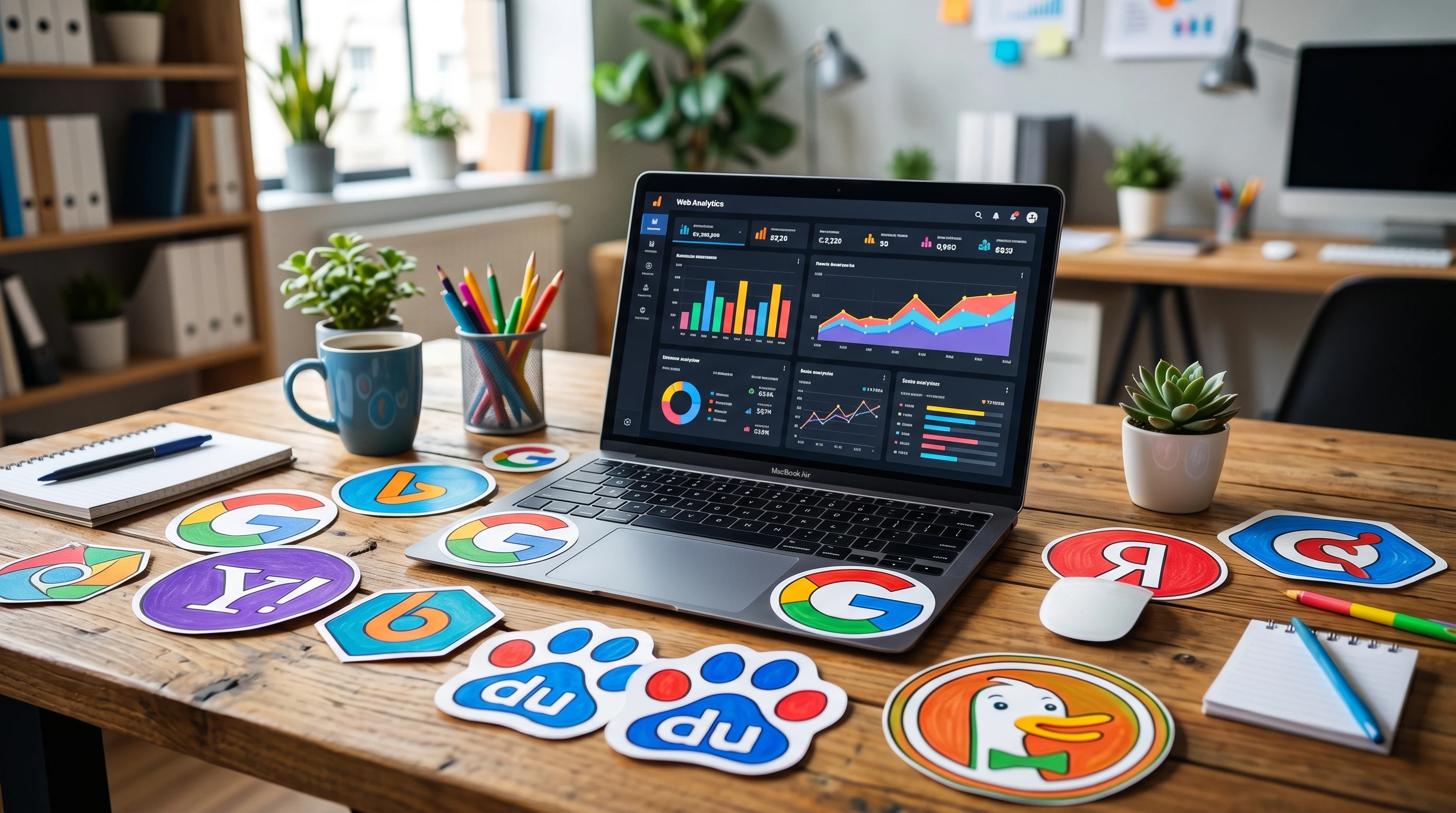
Most people stick with Google due to its massive reach, but there’s a whole landscape of other search engines worth checking out. Even though Google handles over 90% of internet searches worldwide, engines like Bing, Yahoo, DuckDuckGo, Yandex, Baidu, and even some ecosystem-specific search tools can help you reach users others skip over.
Some users prefer alternatives for privacy reasons, unique result sorting, language support, or regional needs. If you’re running an online store, building a blog, or trying to get new visitors, spreading out where your site is indexed gives you more ways to reach your audience. Plus, this can help you stand out if Google’s results are already packed with competition or you want to reach new corners of the internet. Sometimes, it’s the little-used search engines that send you dedicated and curious visitors ready to engage with your content.
A Quick Guide to Major Alternative Search Engines
Every search engine brings its own quirks and features. Here are some I suggest looking into if you want to go beyond just Google:
- Bing: Microsoft’s Bing powers its own results and Yahoo searches. It maintains a loyal user base, especially in the United States, and ranks content in ways that differ from Google. You might find it’s easier to rank higher here for certain keywords.
- DuckDuckGo: Known for respecting privacy and not tracking users, DuckDuckGo combines results from over 400 sources, including Bing and its own crawler. This makes it eye-catching for anyone concerned about online privacy.
- Yahoo!: While it partners with Bing for organic results, Yahoo also keeps a unique news focus and applies some original algorithms, attracting a niche crowd looking for curated experiences.
- Baidu: China’s leading search engine emphasizes Chinese-language sites and gives a boost to local hosting. For global businesses eyeing China, Baidu is a game-changer if you can adapt your content.
- Yandex: Russia’s top engine approaches language and local content in special ways. If you want reach in Russia, Central Asia, or Russian-speaking communities, Yandex is a must-check.
There are also Facebook, YouTube, Amazon, and Pinterest — platforms that serve as search engines within their own ecosystems. These require their own content approaches, like optimizing product pages or video descriptions, but send out streams of visitors you won’t stumble upon elsewhere.
Getting Indexed: What It Means and Why It Matters
Getting your site indexed means a search engine has taken notice of your content, storing it in its database so it can show up in user searches. If you’re not indexed, your site is invisible to everyone using that search tool, no matter how great your content is. Indexing is a must if you want to grow your audience or grab more traffic beyond Google’s hold.
Every search engine uses its own strategy for crawling the web and adding new pages, so knowing what each one prefers is important for boosting your reach out there.
How to Submit Your Site to Alternative Search Engines
Submitting your site to Google usually involves using a sitemap and letting Googlebot crawl your pages, but alternative engines ask for a bit more legwork.
- Bing: Sign up for Bing Webmaster Tools. Set up an account, verify ownership, and submit your sitemap directly. This gets you listed in Yahoo! too, since they share an index.
- DuckDuckGo: No direct site submission; they pull data from Bing and others. Make sure you’re indexed by Bing, and you’re likely to show up in DuckDuckGo automatically.
- Baidu: Register with Baidu Webmaster Tools (requires some Chinese knowledge). Baidu prefers sites hosted in China, so a local web host and .cn domain help you stand out.
- Yandex: Visit Yandex Webmaster and submit your sitemap after verifying site ownership. Yandex favors Russian content, but it covers Central Asia and surrounding regions too.
- Ecosystem-Specific Tools: Amazon, YouTube, and Pinterest all have their own requirements, demanding separate optimization (like product data feeds or video metadata). These can deliver highly targeted visitors if you’re willing to focus effort here.
Key Things to Keep in Mind for Indexing
Different engines have unique priorities. Tweaking your approach for each one gives better overall coverage.
- Language and Localization: Baidu, Yandex, and others love content that fits their market’s language and region. Translating main pages and using local hosting can help you get a foot in the door.
- Clean Site Structure: As with Google, a well-built sitemap and easy-to-follow internal links help all crawlers. A well-structured site means faster indexing, too.
- No Shady Tactics: Avoid black-hat tricks. Most alternative search engines dish out bans to sites found using sneaky stuff. Focus on white-hat SEO, clear meta tags, and solid site navigation to play it safe.
- Fast and Mobile-Ready: Bing, Baidu, and Yandex put a premium on sites that load quickly and work smoothly on mobile devices. Responsive design is definitely worth the effort.
- Backlinks Matter: External links, particularly from respected local sites, help boost your rankings on these engines just like with Google.
Bing Site Indexing
Bingbot, Bing’s own crawler, appreciates simple-to-crawl sites. I often see faster indexing when I submit a new sitemap shortly after launch. Keeping your meta tags tidy and content up to date speeds up Bing’s attention process.
DuckDuckGo and Privacy-Focused Search
DuckDuckGo works differently, relying on a blend of sources instead of direct crawling. If you’re listed with Bing—and by extension, Yahoo and others—you have a good shot of turning up in DuckDuckGo. Their users are mainly privacy-conscious, so clear privacy policies and minimal tracking can help your odds of ranking here.
How to Stand Out on Baidu
Baidu likes Chinese-language content and .cn domains. Their index also gives preference to sites hosted physically inside China. If you want exposure there, consider hiring a native Chinese copywriter and getting local licenses, like an ICP. It’s a commitment, but it pays off for audiences in China or among Mandarin speakers worldwide.
Yandex: Reaching Russia and Beyond
Yandex is crafted for Russian-language web experiences, but covers some surrounding regions too. Register with Yandex Webmaster, submit a good sitemap, and make sure your meta tags and navigation cater to Russian readers. Cyrillic domain names and well-organized content boost your inclusion prospects here.
Common Challenges and Tips for Success
Trying to get attention outside of Google comes with hurdles, but solutions exist for most issues:
- Verification Stumbles: Many engines want phone, email, or business verification. This process can be slow or require documentation; plan ahead, especially when targeting foreign markets.
- Slower Crawl Times: Crawlers like Bing, Baidu, and Yandex sometimes take their time—up to several weeks to index your pages. Pinging your sitemap after site updates can give them a helpful nudge.
- Better Translations: Rather than using automatic translators for Baidu or Yandex, tap into local experts to get culturally relevant and clear pages.
The Perks of Indexing Beyond Google
- Expand to New Audiences: Some people stay away from Google or stick with what’s popular in their region. Indexing with various engines means you reach communities you might never have otherwise.
- Lower Risk from Algorithm Changes: Google updates can wipe out traffic overnight, so having multiple ranking avenues helps retain visitors when changes hit.
- Engine-Specific Features: Bing showcases vibrant image search, DuckDuckGo gives neat privacy tools, and Baidu opens the door to China’s market—each offers something unique for site owners.
Frequently Asked Questions
Readers often check in with questions when starting with alternative search engines. Here are a few I get:
Question: Is it worth optimizing for search engines besides Google?
Answer: If your audience lives outside the US or values privacy, definitely. Even within the US, Bing and DuckDuckGo see not-insignificant traffic over time. Don’t ignore their loyal users.
Question: What special steps should I take for international search engines?
Answer: Think beyond translation. Prioritize cultural fit, grab relevant domain extensions, and sometimes register your business locally for the best reach and trust signals.
Question: Are there big ranking differences with alternative engines?
Answer: For the most part, the basics remain—fast sites, great content, a strong user experience. However, non-Google engines shine a light on local relevance and structure, making tweaks for your audience or region super important.
Wrapping Up and Next Steps
Bringing your site onto alternative search engines widens your reach and lessens your reliance on Google’s shifting algorithms. Taking the time to get indexed isn’t hard, but patience and tailoring effort for each engine is key. Submit your sitemap, verify your site, and focus on local SEO, solid structure, and quality content—these are the best ways to get started. Exploring the wider world of search engines is a pretty smart route if you want to bring in more traffic and get found by new segments of internet users.