
Turning a hobby into real online income can be super rewarding once you know where to start. Whether you love crafting, photography, gaming, or gardening, there’s usually a way to turn your passion into a steady extra income, or even a full-time gig. I’m here to walk you through what works in the real world, what’s worth checking out before jumping in, and how to actually get things moving if you’re aiming to turn what you love into something that pays.
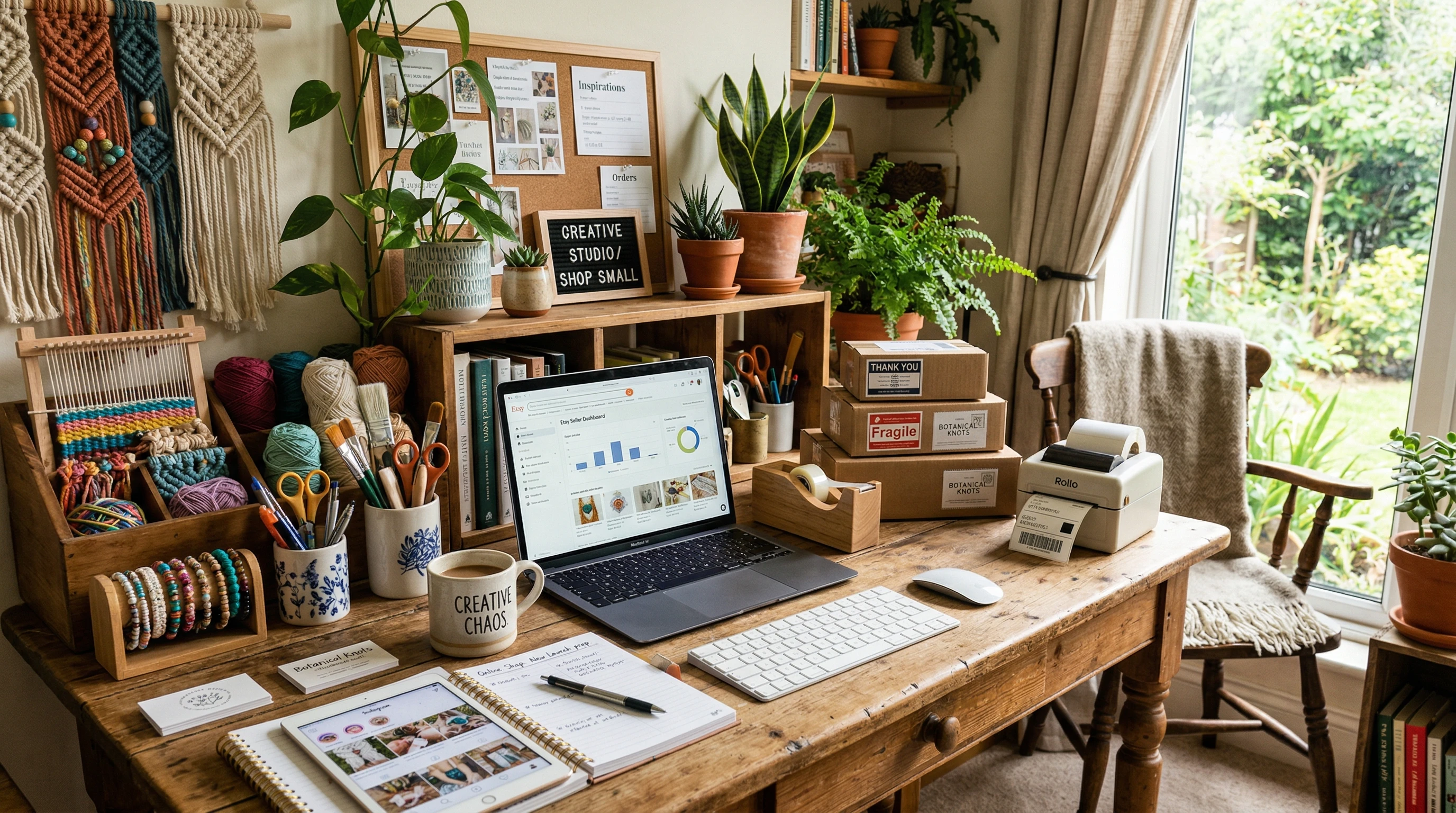
Why It Makes Sense to Monetize Your Hobby
Making money from a hobby is now easier than ever, thanks to so many platforms and web tools meant for creators and side hustlers. There’s a pretty big market for nearly every niche. Online marketplaces, content platforms, and social media help people reach audiences directly, skipping the need for a big budget or a business degree. The creative economy is booming, with lots of people earning a solid side income and plenty going full-time with their passion projects.
It can give your motivation a boost, connect you to people who share your interests, and bring some financial breathing room, or even major lifestyle changes, if you stick with it. The global gig economy has made turning what you know or what you make into income more accessible than ever, and with more companies and platforms opening up to independent creators, there’s almost always an entry point for beginners.
Plus, you keep learning new skills. Running an online shop or growing a content channel means you’ll pick up basics in marketing, customer service, design, and budgeting. These skills can help you both online and offline, even at work or in your day-to-day life. More hobbies moving digital means you could stumble upon extra resources—think YouTube tutorials, creator forums, and groups dedicated to side hustlers—so there’s a support network waiting for you, too.
First Steps: Learning What Sells and Where
The early stages usually mean figuring out where your hobby fits online. Maybe you knit wild sweaters, or maybe you spend hours curating awesome playlists or creating digital illustrations. Whatever it is, you’ll want to:
- Check what’s selling: Scrolling through Etsy, eBay, Redbubble, and Amazon Handmade helps you spot what’s popular or consistently gets attention. It’s handy for sparking product ideas or seeing how others present themselves.
- Test the demand: Sometimes, something that feels a little quirky ends up with a massive following. Think origami jewelry or hand painted pet rocks. Skim through forums, social groups, and search trends to make out opportunities.
- Pick the right space: Not every hobby fits every platform. Handmade art works well on Etsy or Society6, while digital guides or courses shine on Udemy or Skillshare. Some things, like vintage collections, might do best on eBay or specialty Facebook groups.
Research is your friend. Join a few online groups tied to your passion, or check YouTube for behind-the-scenes videos from people already making money in your niche. These can give you the insider scoop on which platforms handle sellers best or which ones charge the fewest fees. Remember, even the most unique hobbies usually have at least a small community somewhere online.
Getting Set Up: Turning Craft into Cash
Once you narrow down where to share your hobby online, it’s all about getting your first sales or bookings. This section covers the basics that apply across most hobbies:
- Start simple with your setup: Open an account on the marketplace or platform that suits your hobby best. This could be a shop on Etsy, a YouTube channel, a Substack newsletter, or even a TikTok page. You don’t need a massive following to get started.
- Create samples or content: List a few items for sale, showcase a small portfolio, or post a couple of introductory videos or blog posts. These serve as your online “calling card.” Don’t get stuck perfecting everything; getting moving is more important early on.
- Price with purpose: Look at what others charge, but don’t undervalue your effort. Factor in materials, time, and shipping for physical goods, or your skill level for creating lessons and guides.
- Share and connect: Post in Facebook groups, hobby forums, or on your social media. Ask friends to check out your work. Early engagement often turns into more eyes on your hobby—those first reviews or shares can spark more interest.
Things To Consider Before Making Your Hobby a Business
Turning passion into profit sounds like a dream, but there are a few common hurdles that come with the territory. Here’s how to spot these challenges and find ways around them:
- Time management: Balancing your main gig, family, and a side hustle gets tough fast. Setting realistic goals and time blocks helps keep things on track.
- Burnout: Doing what you love for money is exciting, but if everything feels like work, that spark can fade. Make room for the fun parts of your hobby, not just the profitable ones.
- Shipping and logistics: For physical products, solid packaging, shipping options, and tracking are really important. Customers expect a good experience, and reviews often depend on it.
- Online safety and payments: Stick to reputable sites, use secure payment processors, and don’t skip on privacy for you or your customers.
Time Management
It’s tempting to say yes to every new order or project, especially when money starts coming in. I quickly learned to block off certain nights, and sometimes weekends, for my hobby work so it wouldn’t take over everything else. A weekly planner and some digital reminders help stop things from overwhelming me, and my family appreciates the balance.
Shipping, Costs, and Fees
Some marketplaces take a cut of your sales, and shipping costs add up. Planning ahead matters: I set up shipping profiles on Etsy and got familiar with the best local carriers. Including packaging and platform fees in my prices saved me a ton of time and headaches later.
Online Safety and Payments
Scams and spam pop up pretty much everywhere. Connecting your shop or service to trusted payment processors and reading reviews on each platform before selling keeps everything smoother and safer. It’s smart to keep business and personal banking separate too, especially as things grow.
Pro Tips: Boosting Your Online Hobby Income
After you’re comfortable with the basics, you can give your income a boost using strategies that experienced hobby entrepreneurs swear by:
Build community around your passion: Loyal fans, repeat buyers, and people cheering you on often come from authentic, steady interaction. Comments, custom orders, and newsletters can really help. I started a small email list for my craft buyers, sharing behind-the-scenes peeks at new projects. That personal touch makes a difference in repeat sales and connection.
Use automation tools: Scheduling social posts, automating shop messages, and auto delivery for digital goods save a ton of time. Tools like Buffer, Mailchimp, or the built-in options on Etsy or Shopify work wonders for solo creators juggling a lot.
Tweak and test your pricing: If your items sell fast, try bumping prices; if things are slow, experiment with bundles or time-limited deals. I noticed mini seasonal discounts or creating “kits” got way more attention than just dropping prices.
Try collaborations: Partnering with another hobbyist or influencer can open new audiences, usually for free or little cost. My favorite collab was joining up with a local illustrator for a holiday gift set—each of us reached new folks and split the costs.
Think outside the box: Look for alternate ways to share your hobby, like turning a skill into a group workshop, hosting live demos, or starting a Patreon for bonus content.
What Works Best? Real-World Examples
Seeing real-life success stories helps make these ideas more tangible. Here are a handful of online hobby-business ideas that folks have transformed from side projects to true paydays:
- Handmade goods: Jewelry, greeting cards, pottery, and knitted pieces. Sites like Etsy, Folksy, and ArtFire make it simple to list and ship direct to buyers.
- Online tutorials or courses: Musicians, photographers, and fitness fans offering mini lessons or all-in-one guides through Teachable, Skillshare, or Udemy.
- Print on demand art: Artists and photographers uploading designs to Redbubble, Society6, or Merch by Amazon with zero upfront materials; the platform handles printing and shipping apparel, mugs, and prints.
- Collectibles and vintage finds: Flipping thrift store treasures or rare books using eBay, Depop, or collector forums centered on your area of interest.
- Gaming and streaming: Gamers making cash through Twitch, YouTube, or Patreon with a blend of live streams, sponsored play, and paid communities.
You’ll find hundreds more, like meal prep guides, pet care coaching sessions, virtual event planning, and even digital planners for productivity nerds. As long as there’s an audience, there’s potential.
Frequently Asked Questions
New hobbypreneurs often ask the same core questions. Here are a few I hear most:
Question: Can I really make a full-time income from my hobby?
Answer: Some folks absolutely do, especially those who stick with it, keep learning, and adapt over time. For most, it starts as extra income and grows as you get better and find your crowd. Consistency pays off and surprises happen when you keep at it.
Question: Do I need a business license to sell hobby goods online?
Answer: It depends on your location and your sales volume. For casual sellers, usually not, but once sales hit a certain point or if you run things full business-style, you might need registration. It’s smart to check in with your local government or browse their official websites for the rules.
Question: What if my hobby is super niche?
Answer: Niche hobbies often have tightknit audiences who spend more and go deeper. Sometimes, a small but passionate group of buyers is way better than chasing broad, popular trends. Look for specialty forums, groups, and hashtags tied to your unique interest and focus your energy there. The more specific, the more you stand out.
Ready to Turn Your Hobby Into Online Income?
Turning a passion project into profit is all about getting clear on your goals, staying patient, and making use of the tools that match your style and audience. The online world is packed with resources and supportive communities ready to lend a hand, no matter your starting point. Stick with it, keep switching up your approach if something stalls, and don’t forget to enjoy the adventure as much as the payoff.