
Unlocking the secrets behind why people buy things is something businesses and marketers are always trying to figure out. Understanding consumer behavior through data helps companies tweak products, fine-tune their advertising, and give customers a better overall experience. The amount of data available these days is pretty wild, and learning how to make sense of it is helpful for anyone wanting to know what drives everyday choices.
What Is Consumer Behavior Data?
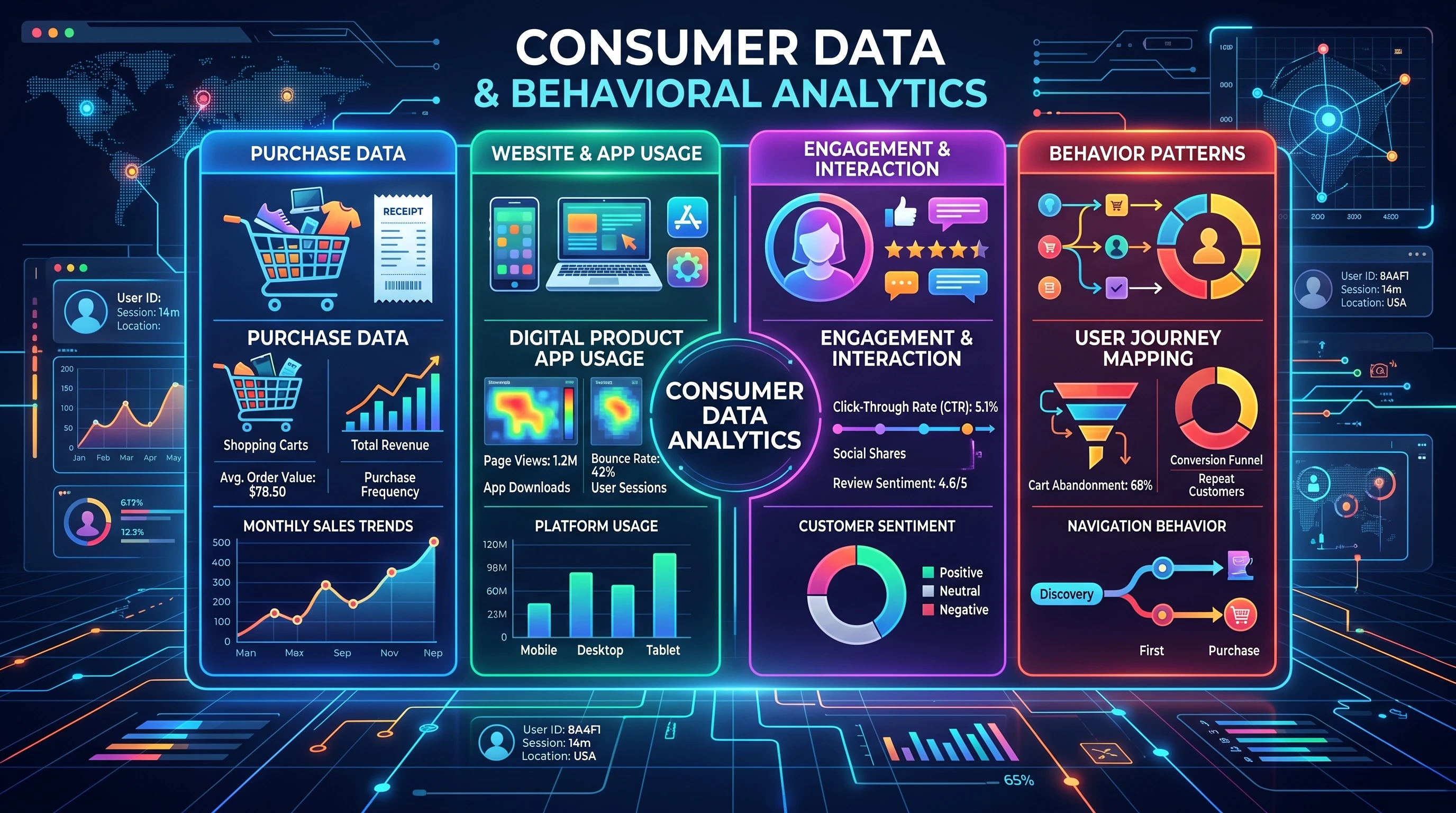
Consumer behavior data is all about digging into the actions, habits, and decisions people make when they shop online or head out to stores. This type of information might include what time someone makes a purchase, which items end up in their shopping cart, or even how long they hover over a search result before choosing something. Online and offline, companies are constantly collecting new types of data to figure out what real people like you and me actually want.
Tracking these behaviors takes a mix of technology and oldschool research. Businesses use everything from website analytics software to loyalty programs just to get a better sense of their shoppers’ preferences and motives. Once all that data is collected, it gets sorted and analyzed using special tools that can recognize patterns or unusual activity. This process helps companies know what’s hot now. It also gives them clues about what could be the next big thing in their market or industry, so they can react quickly and serve their customers better.
How Companies Collect and Analyze Consumer Data
Even though most people don’t think much about what happens after clicking “add to cart,” businesses are constantly gathering all sorts of data. Here are a few common ways they collect and understand consumer behaviors:
- Web Analytics: Tools like Google Analytics track page views, clicks, time spent on a page, and even what path a user takes through a website.
- Loyalty Programs: Signing up for a store’s rewards system gives that business direct access to details about your favorite products, visit frequency, and spending patterns.
- Surveys and Reviews: These open-ended forms collect feedback about satisfaction, product features, and where improvements might be needed.
- InStore Tech: Things like smart shelves, cameras, and checkout systems help brickandmortar stores see what items get attention or end up in baskets together.
Analyzing all this raw information is another big step. Data scientists clean up the numbers, sort info into categories, and use algorithms to find links between actions. It’s this analysis that lets brands make smart changes instead of just guessing. For example, discovering that people buy umbrellas right after checking the weather forecast is useful for a retailer planning rainy season sales. It also allows them to display umbrellas near entrances or send timely promotions during those wet days, directly tapping into what customers want.
Common Types of Consumer Behavior Data
Having a massive pile of data isn’t that useful without knowing what kinds matter most. Here are a few types I’ve seen that come up a lot in retail and online settings:
- Demographics: Age, gender, income, geography, and other basics give important context.
- Purchase History: Past orders offer a useful glimpse at things like repeat buying or seasonal trends.
- Browsing Behavior: Clicks, searches, scroll depth, and which items land in wishlists all tell stories about preferences.
- Feedback and Sentiment: Written reviews, star ratings, and social media reactions let companies measure satisfaction directly.
All these data points work together to build a bigger picture of how people feel about brands or products and what shapes their final decisions. With this detailed information, businesses can pinpoint opportunities to improve services, match inventory with demand, and spot new interests as they emerge.
Why Understanding Consumer Behavior Data Matters
Knowing how to read consumer behavior data isn’t just a nice bonus for businesses; it’s become something companies depend on. The main reasons it’s so valuable come down to three big benefits:
- Better Products: By spotting what buyers like (or don’t), businesses can improve product features, sizing, packaging, and even launch totally new stuff people have been asking for.
- Smarter Marketing: Data reveals where ads will make the most impact, which platforms to focus on, and how to match messaging with what an audience cares about at the moment.
- Improved Customer Experience: When companies know what frustrates people, they can fix checkout pain points, add preferred payment types, or send better recommendations.
When I’ve helped small businesses sort through their sales data, even tiny tweaks in strategy, such as changing ad timing or adjusting a landing page, made a huge difference. The trick is to use what you learn to help shoppers as much as possible, not just to push more sales. This customerfirst mentality often earns loyalty and encourages repeat business, fueling growth over time.
Challenges of Working with Consumer Data
Getting into all this information isn’t always simple. Some common roadblocks come up if you’re trying to get serious about using consumer behavior data:
- Data Quality: Messy, incomplete, or outdated info can lead to poor predictions. Keeping things clean and current is super important.
- Privacy Concerns: Storing and using customer data comes with legal rules and ethical responsibilities. Following privacy laws and being upfront about data collection builds trust.
- Too Much Data: It’s easy to get overwhelmed by the sheer volume of details. Focusing on a few key metrics keeps things from getting lost in the noise.
Getting past these hurdles just takes a bit of discipline and the right tech setup. Every good strategy I’ve seen puts customer privacy front and center and keeps data handling as simple and clear as possible. Selecting the key performance indicators that actually impact your business is essential, as is communicating honestly with your customers about how their information is used. These habits keep everyone on the same page.
RealWorld Examples of DataDriven Consumer Insights
Watching how big brands use consumer data is an easy way to pick up practical ideas. Here are a couple of standout examples I think show the power of this approach:
- Streaming Platforms: Companies like Netflix use detailed viewing history to make personalized suggestions, create hit shows, and even decide what kind of content to invest in next. All those “because you watched” recommendations are backed by real data.
- Supermarkets: Chain stores often study which products get bought together. That’s why you might find salsa right next to the chips or see drinks go on sale during big sports finals. Loyalty card data helps managers make smart stocking decisions every week.
These brands have figured out how to connect the dots between raw numbers and practical choices. Even small businesses can pull off similar results with basic online store analytics or free survey tools. For instance, an online boutique might use website analytics to see which products are most viewed and then feature those items on their homepage, leading to increased sales.
How to Start Using Consumer Behavior Data
If you run a business or just want to get a handle on what influences shoppers, starting with the basics goes a long way. Here’s a quick roadmap that’s worked for plenty of people I know:
- Set Clear Goals: Pick one thing you want to learn; maybe it’s what products people love most, or what time of day your customers shop.
- Collect the Right Data: Choose simple tools, like Google Analytics or basic surveys, to start gathering info. Too much data at the start just gets confusing and can slow you down.
- Analyze for Patterns: Look for trends, like repeat purchases, abandoned carts, or seasonal spikes. These pointers show where to make changes first.
- Test and Adjust: Try out small tweaks; change a website layout, test different ad copy, or start a discount program. Watch how customer response changes and write down what works best.
- Stay Transparent: Let customers know if you’re gathering info and always make privacy a priority. Trust goes a long way when shoppers feel respected and informed.
It doesn’t take a fancy degree or big budget to get started, especially with so many userfriendly tools available today. Regular experimentation and a willingness to adjust based on new information help you stay ahead. Revisiting your strategies every few months is a smart move—consumer behaviors and preferences rarely stay the same for long, and your game plan should keep up.
Common Mistakes When Using Consumer Behavior Data
There are a few classic slipups I’ve seen when businesses first get into analyzing shopper behavior. The biggest include:
- Getting too hung up on one small trend and missing the bigger picture
- Ignoring feedback from real customers if it doesn’t fit the data narrative
- Not updating data sources, so decisions are based on old information
Staying flexible and open to what the data, as well as your customers, are actually saying usually leads to the best results. Frequent checkins and willingness to pivot keep your business in tune with what people really want.
FAQs: Your Consumer Behavior Data Questions Answered
Here are a few common questions I hear from friends, readers, and small business owners trying to get started with data:
How can I tell if my data is good enough to use?
Stick to details that are recent, come from a trustworthy source, and don’t have lots of gaps or errors. The more real-life actions in the mix, such as purchases versus simple clicks, the more useful the data.
Do I need fancy software to analyze consumer behavior?
Nope. Most businesses start with simple platforms like Google Analytics, Shopify reports, or even an Excel spreadsheet for survey results. More complex systems are only really important as your data needs grow.
How do I keep customers’ data safe and private?
Always tell customers what you’re collecting and why, use secure systems, and avoid keeping info you don’t need. Following laws like GDPR in Europe or CCPA in California is super important for building trust. Taking regular steps to safeguard information, such as using encrypted databases and limiting access to sensitive info, can also help guard against data breaches.
Final Thoughts and Where to Go From Here
Getting comfortable with consumer behavior data is something anyone can do. Whether you’re running a shop, managing a website, or just curious about how companies figure out what makes people tick, focusing on real actions and honest feedback leads to better decisions and happier customers. Exploring new data sources keeps your approach fresh and helps you spot trends before the competition does. There’s always more to learn. By starting with the basics, asking questions, and keeping an open mind, you already put yourself a step ahead in making smart, datadriven choices.