
Pinterest is more than just a place to save dreamy home decor inspiration or travel ideas. For brands, it’s a powerful visual search engine with the potential to drive steady traffic, build a loyal community, and make real sales. I’ve noticed that some brands are really stepping up by sharpening their Pinterest game and turning pins into profits. I’m breaking down what they’re doing right so you can snag a few tricks for your own business.
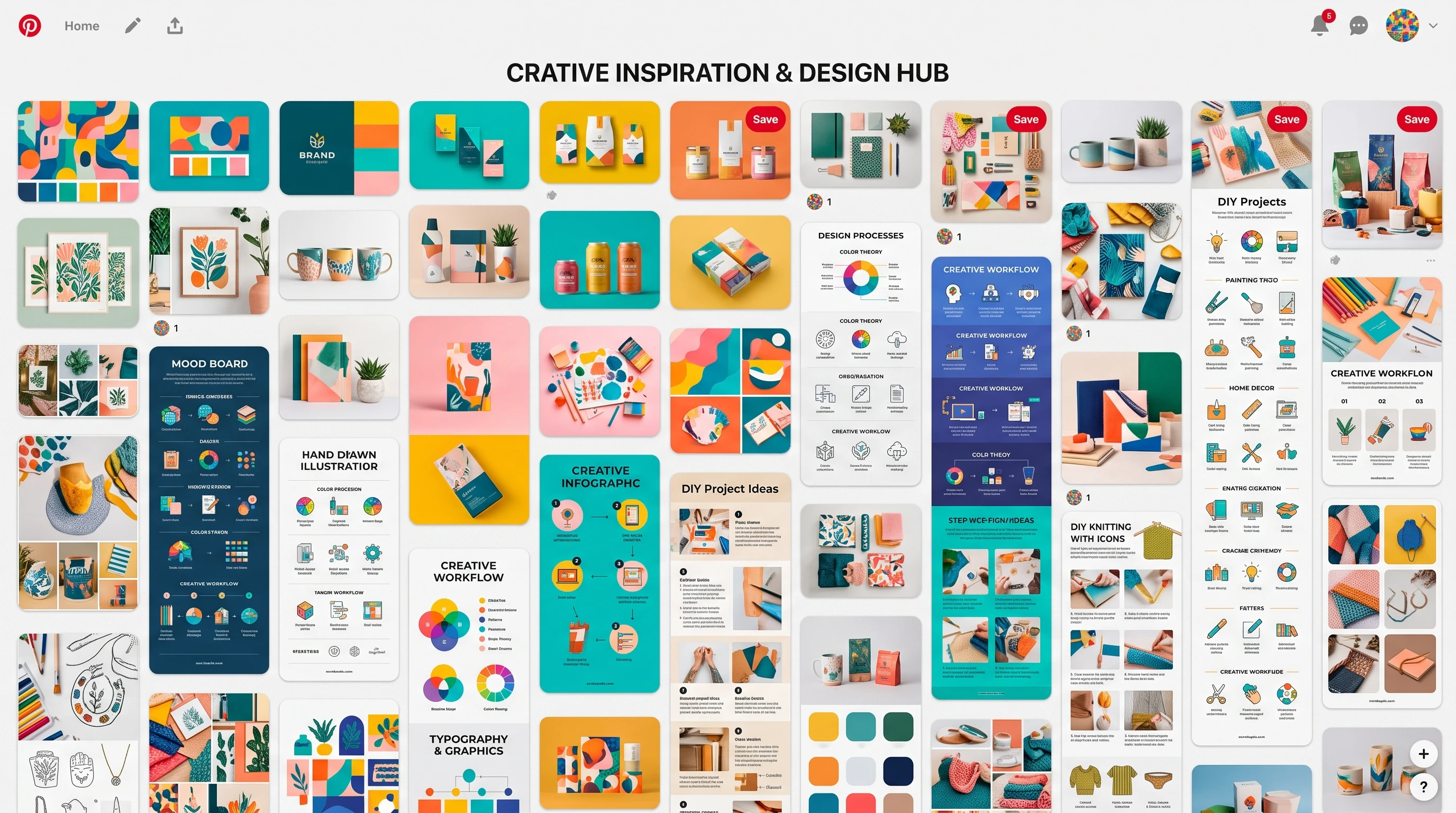
Why Pinterest Matters for Brands
Pinterest gets a bit overlooked compared to platforms like Instagram or TikTok, but it packs a punch for brands that want to reach people who are actually looking to stumble upon and shop. Over 465 million people use Pinterest every month, and many of them have an active intent to plan or purchase, especially compared to users scrolling social media just to pass time.
What makes Pinterest really handy for brands is its evergreen nature. Unlike Instagram stories or tweets that disappear down the feed, a good pin can keep attracting clicks, traffic, and sales for months, sometimes even years. If you’re looking for a channel that rewards strategy and creativity, Pinterest is worth checking out. Plus, with changes in online buying behavior, more brands see Pinterest as a reliable place for steady, long-term brand exposure.
Case Study 1: Etsy’s Winning Visual Strategy
Etsy has built an entire marketplace around unique finds and creative sellers. Their Pinterest approach is a powerhouse example of how to put visual storytelling front and center. Instead of simply repinning products, Etsy puts effort into pinning themed collections (like handcrafted gift guides or seasonal home decor) and curating boards that make browsing feel like flipping through a stylish magazine.
- Rich Pin Features: Etsy uses product rich pins, where price and availability are automatically updated. This helps shoppers find info without leaving the platform.
- Create to Inspire: Boards are organized by trends, interests, or gifting occasions, making it simple for shoppers to find what they want.
- Result: Etsy’s approach has helped drive consistent referral traffic and kept their marketplace top of mind for anyone saving ideas for gifts or projects.
Additionally, Etsy routinely interacts with followers, answering questions and asking for project ideas directly within the comment sections of their pins. This builds community loyalty and lets the brand pick up on what users want to see more of.
Case Study 2: Lowe’s and DIY Project Boards
Lowe’s, the home improvement giant, knows that people on Pinterest are often in planning mode. Their boards are built around easy to follow DIY projects, gardening tips, and seasonal home makeovers. This strategy turns their audience from window shoppers into active home improvers (and loyal customers).
- How To Pins: Many of Lowe’s pins are tutorials, offering step by step graphics or miniguides. These are super useful for anyone needing a nudge to start a home project.
- Seasonal Syncing: Their content calendar lines up with big seasonal moments, think spring planting or holiday decorations, helping their pins show up exactly when people are planning changes around the house.
- Result: Lowe’s has seen steady engagement growth and has become a go to resource for home inspiration on Pinterest, funneling customers back to their online shop and YouTube channel.
Lowe’s also hosts special online events or challenges centered around certain projects. These encourage new pins and user participation, further growing their active Pinterest community.
Case Study 3: Glossier’s Community Powered Content
Glossier, the beauty brand with a cult following, finds a lot of success from user generated content (UGC) on Pinterest. Instead of just pushing out polished product shots, Glossier pins tutorials, real user selfies, and honest reviews, often straight from their enthusiastic fans.
- Real Life Inspiration: Pins feature a mix of before and afters, makeup tips, and real people using Glossier products in everyday life.
- Storytelling Focus: Instead of selling hard, pins highlight the community’s beauty stories, making the brand feel approachable and inclusive.
- Result: Sharing fan content boosts trust, encourages repins, and helps Glossier stand out as less of a pitchy brand and more of a trusted friend giving skincare tips.
By regularly highlighting stories from all types of customers and asking their community what tutorials they’d like next, Glossier ensures the content feels authentic and relevant, not just promotional.
How Brands Are Using Pinterest’s Cool Features
Brands that really shine on Pinterest aren’t just making pretty graphics—they’re using platform specific tools to drive steady results. So, here’s what tends to work especially well:
- Product Pins: These pins show live prices and let users shop straight from Pinterest. This is a big win for ecommerce brands.
- Video Pins: Animated how tos, quick tutorials, and sneak peeks stop scrollers in their tracks. Videos keep people on your pin longer, which helps boost visibility.
- Idea Pins: These multipage pins work a bit like Instagram stories but don’t disappear, and they’re great for showing a step by step process or highlighting a product in multiple ways.
Interactive polls, Q&As, and community challenges also give brands a chance to connect directly with followers, adding a human touch and keeping the content loop fresh.
Pinterest Tools Brands Are Loving
- Pinterest Analytics: This gives loads of insight into which pins get saved and clicked, so brands can double down on what’s working.
- Trend Discovery: Pinterest’s trends tool can show seasonal switches or new surges in interest. This is very handy for planning content that hits at just the right moment.
- Shop Tabs: Retail brands can set up a specific shop section that showcases products, similar to an online storefront.
Brands using these tools are able to adapt quickly, using data to put out more of the content that actually brings in engagement and sales. Combining regular analytics checks with creative brainstorming leads to faster learning and stronger long term success.
Troubleshooting: Common Pinterest Challenges for Brands
Pinterest has a lot of upsides, but there are a few bumps in the road even successful brands have to find their way through. Here’s a quick look at some common challenges and how I’ve seen brands handle them:
- Creating Enough New Content: Pinterest loves fresh pins, so brands need to regularly refresh graphics and ideas. Scheduling tools and UGC both help keep the pipeline flowing.
- Standing Out in Search: Smart keyword use in pin descriptions, plus eye catching graphics, help brands get found more easily by the right audience.
- Tying Pins to Results: It’s not always easy to track sales directly from Pinterest, but setting up rich pins and Google Analytics makes it much easier to see what’s working.
Eye Catching Graphics
One of the best moves I’ve seen is investing in bold, branded templates. This helps make a brand’s pins recognizable at a glance, even as users scroll by tons of options. Apps like Canva or Adobe Express are pretty handy for building templates that keep things on brand and easy to duplicate.
Consistent Posting
Pinterest often rewards consistency over bursts of activity. Scheduling pin batches weekly instead of posting everything in a single burst means brands can stay in the algorithm’s good graces while still leaving room for trending or seasonal content.
Brands can also use Pinterest’s scheduling tools or third party apps to keep their content flowing, allowing their marketing teams to focus on engagement and creative ideas instead of worrying about posting times. This steady approach builds audience loyalty.
FAQs About Brands Succeeding on Pinterest
Questions always come up when thinking about using Pinterest for brand growth. Here are a few I hear often, with my take on each:
Question: Do brands need to spend big on ads to get noticed?
Answer: Paid Pinterest campaigns work well for boosting a product launch or seasonal line, but strong organic strategy (quality pins, keywords, repins) is effective and budget friendly, especially at first.
Question: How long does it take to see results from Pinterest?
Answer: Pinterest is a slow and steady platform. Some pins take weeks or even months to get traction, but the traffic they drive tends to stick around much longer than social media traffic.
Question: What industries do best on Pinterest?
Answer: Home, food, fashion, wedding, health, beauty, and DIY brands all do really well. But any brand with strong visuals and value packed ideas can find an audience. Even niche businesses can carve out a following by focusing on content that answers questions, inspires, or solves real problems for their audience.
Putting Brand Pinterest Wins Into Action
Checking out real brand case studies makes it clear; winning on Pinterest comes down to creative, useful, and visually striking content, powered by smart keyword targeting and regular updates. Etsy, Lowe’s, and Glossier show how anything from tutorials to community stories to themed collections can help a brand build momentum, and keep eyes coming back for more.
It’s easy to start applying these ideas. Focusing on helpful boards, consistently posting fresh pins, and making use of Pinterest’s features like product pins or idea pins can move the needle, even if you’re not a big name brand yet. The more you put into play what’s working out in the real world, the more likely Pinterest is to become a solid driver of awareness and sales for your business. Staying flexible, trying new content formats, and tuning into platform trends is the real secret to sustained Pinterest growth—so keep experimenting and learning as you grow!